When it comes to power tools, making a wise choice can significantly impact your projects. Understanding "how to compare different power tool brands" is vital. Expert John Smith, a renowned tool analyst, emphasizes, "Not all tools are created equal, and the right choice can save time and money."
In the ever-evolving tool industry, brands vary widely in quality, performance, and durability. Buyers often face challenges due to numerous options available. Recognizing key features and specifications can lead to impactful decisions.
Moreover, brand reputation plays a crucial role. Some brands have established trust over decades, while others may be new but innovative. Evaluating user reviews and expert opinions can provide significant insights. Balancing price versus quality is also essential, yet many overlook this factor. Careful consideration will lead to smarter purchases that enhance your tool collection, benefiting your work for years to come.
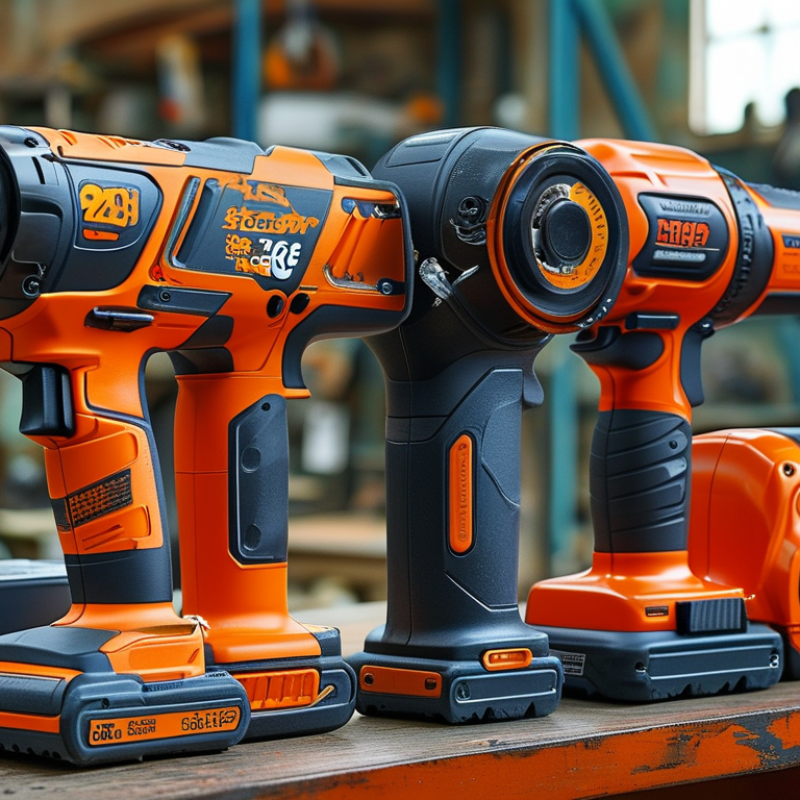
Top Factors to Consider When Choosing Power Tools
Choosing the right power tools is crucial for any project, whether you're a DIY enthusiast or a seasoned professional. According to a recent industry report, nearly 70% of users prioritize durability and reliability when selecting tools. This insight reveals how essential these elements are for achieving consistent results. A tool that breaks down can lead to project delays and increased costs.
In addition to durability, consider the versatility of power tools. Reports show that multifunctional tools are increasingly popular. These tools not only save space but also adapt to various tasks, making them invaluable. For instance, a drill that can also function as a screwdriver reduces the need for multiple separate tools. This adaptability often leads to a more efficient workflow.
Another important factor is ergonomics. Many users report discomfort during extended use of power tools. Tools designed with comfort in mind can prevent fatigue and improve productivity. Some studies suggest that ergonomic designs lead to a 30% increase in user satisfaction. Reflecting on these factors helps ensure a better choice of tools, enhancing both safety and performance on the job.
2026 Best Power Tool Brands Comparison Guide for Buyers
| Feature |
Rating (1-10) |
Durability |
Battery Life |
Price Range |
Warranty (Years) |
| Cordless Drill |
9 |
High |
12 hours |
$80 - $150 |
3 |
| Circular Saw |
8 |
Medium |
8 hours |
$60 - $120 |
2 |
| Reciprocating Saw |
7 |
Medium |
6 hours |
$70 - $140 |
3 |
| Impact Wrench |
9 |
High |
10 hours |
$90 - $160 |
3 |
| Angle Grinder |
8 |
Medium |
7 hours |
$50 - $100 |
2 |
Overview of the Leading Power Tool Brands in 2026
When considering the power tool brands of 2026, it's crucial to evaluate their strengths and unique qualities. Many brands have a wide array of products, catering to various needs. Some excel in innovation, while others focus on durability and user-friendliness. The right choice often depends on the specific tasks at hand. For instance, a brand known for its lightweight tools might not always offer the best heavy-duty options.
Quality is not uniform across all models. Even leading brands can occasionally produce tools that fall short of expectations. It's essential to read reviews and gather user experiences before committing to a purchase. Many users have reported issues with battery life and ergonomic design in certain models. An informed decision could mean the difference between a successful project and frustration.
Warranty service also matters. Some brands are quick to respond to claims, while others leave their customers waiting. This inconsistency can influence your overall satisfaction. Reliability should guide your choice, but remember that all tools have strengths and weaknesses. The key is to find a brand that aligns with your needs and preferences, despite its imperfections.
2026 Best Power Tool Brands Comparison
Comparison of Power Tool Categories: Corded vs. Cordless
When considering power tools, the choice between corded and cordless models significantly impacts performance and usability. Corded tools generally provide consistent power, making them ideal for heavy-duty tasks. They excel in environments where high performance is necessary for extended periods. A report by the Freedonia Group shows that corded tools still account for about 50% of the power tool market, especially in sectors requiring reliability and prolonged usage.
On the other hand, cordless tools offer unparalleled convenience. Their portability allows for ease of movement and versatility in different environments. According to a survey by ResearchAndMarkets, the cordless power tool segment is expected to grow at a compound annual growth rate (CAGR) of approximately 6% by 2026. Users often appreciate the absence of cords, which can create hazards or be limiting in tight spaces. However, battery life can be a concern; some users find themselves frustrated by tools that need frequent recharging.
Ultimately, the best choice depends on the user's needs. Corded models may require a bit more setup time, while cordless options might lead to unexpected interruptions during usage. It’s essential to reflect on what fits specific tasks and environments before making a decision. Each category offers distinct advantages and potential drawbacks, requiring careful consideration to find the right balance.
Key Features and Technologies in Modern Power Tools
Modern power tools have revolutionized the way we approach DIY and professional projects alike. Key features in today's tools are designed to enhance usability and efficiency.
For instance, advancements in battery technology have led to longer run times. These improvements reduce interruptions and foster productivity.
Moreover, smart technology integration has given rise to tools that feature connectivity options. This allows users to monitor performance via mobile apps, ensuring optimum tool usage.
However, some users may find the learning curve steep. The abundance of features can overwhelm beginners. It is essential to understand the core functions before diving into complex aspects.
Ergonomics also play a vital role in modern design. Tools are being made lighter and balanced, making prolonged use more comfortable. Yet, not all designs cater to every user’s needs.
A large proportion of users may still feel discomfort during extended sessions. Personal evaluation of tool fit is necessary for comfort and efficiency.
Focusing on these features can ultimately lead to better choices when selecting power tools.
Consumer Reviews and Ratings of Power Tool Brands
When exploring power tool brands, consumer reviews and ratings reveal important insights. Industry reports show that nearly 70% of buyers rely on consumer feedback before purchasing. These reviews highlight overall satisfaction, performance, and durability. Many brands have high ratings for reliability, but discrepancies exist. Some tools excel in woodwork but struggle with metal tasks, raising questions about versatility.
Delving into specifics, consumers often cite battery life as a key factor. Surveys indicate that 55% of users prioritize long-lasting batteries. User reviews mention common frustrations, such as tools that require frequent recharges. It's essential to examine average ratings across different tasks. Certain brands may perform well in one area but disappoint in another.
Moreover, warranty and customer service consistently factor into user satisfaction. Research indicates that consumers value robust support after their purchase. Discontent arises when warranties prove insufficient. This inconsistency can skew overall brand perceptions. In this competitive landscape, both performance ratings and user experiences play critical roles in shaping buyer decisions.
FAQS
: Focus on durability and reliability as they ensure consistent results and prevent project delays.
Multifunctional tools save space and adapt to various tasks, enhancing efficiency during projects.
Ergonomic designs reduce discomfort and fatigue, potentially increasing user satisfaction by 30%.
Corded tools provide consistent power, ideal for heavy-duty tasks and prolonged usage.
Cordless tools provide portability, making them suitable for movement in tight spaces without hazards.
Battery life can be a concern, leading to frustration when tools require frequent recharging.
Reflect on your specific needs and tasks, as each type has unique advantages and challenges.
Users often forget to consider the setup time for corded tools versus potential interruptions with cordless options.
Yes, the cordless power tool segment is expected to grow at around 6% annually until 2026.
Yes, comfort through ergonomic design can enhance productivity by allowing users to work longer without fatigue.
Conclusion
In the pursuit of the best power tools in 2026, buyers must navigate several key factors when choosing the right equipment for their needs. Understanding how to compare different power tool brands involves evaluating aspects such as quality, performance, and durability. Additionally, consumers should consider the specific categories of power tools, such as corded versus cordless options, as each has its advantages depending on the intended use.
An overview of modern technologies and key features in power tools can greatly influence purchasing decisions. Consumers should also delve into reviews and ratings from fellow users to gain insights into brand reputation and product satisfaction. By merging these factors, buyers can make informed choices that ensure they select the most suitable power tools tailored to their projects.
 Bleep Forge
