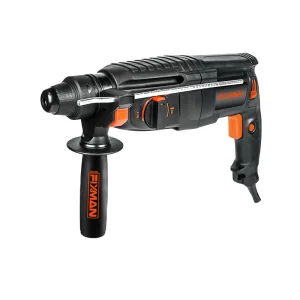
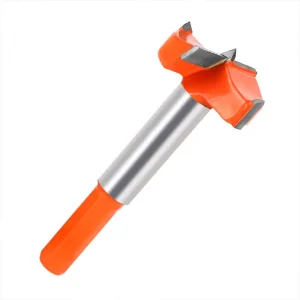
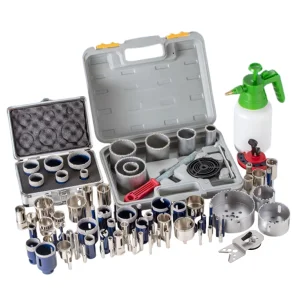
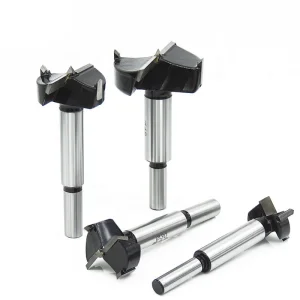
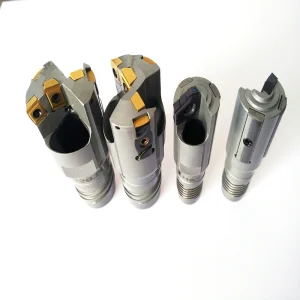
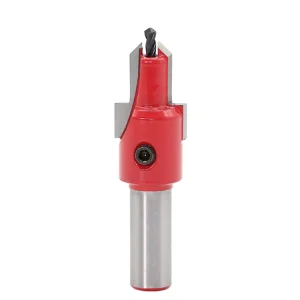
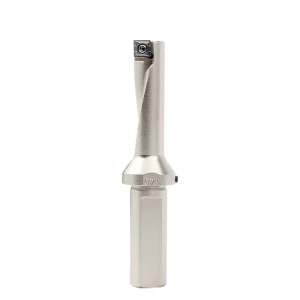
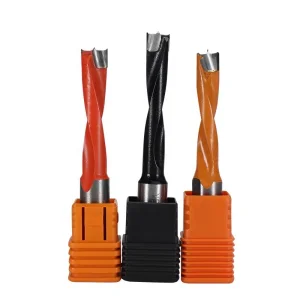
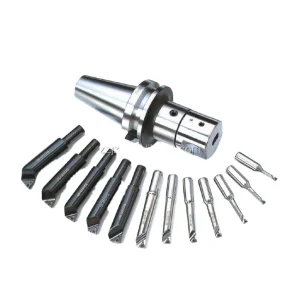
Premium selection of industrial-grade heavy drills, core bits, and woodworking cutters designed for efficiency.
Analyzing advanced metallurgy, high-velocity automation, and sustainability frameworks in modern manufacturing.
The industrial shift towards sub-micron and nano-structured tungsten substrates has revolutionized boring tool edge retention. Modern tools endure higher thermal thresholds, mitigating early micro-fractures in deep-hole operations.
Advanced PVD/CVD coatings, including TiAlN, AlCrN, and diamond-like carbon (DLC), offer superior oxidation resistance and hardness. These chemical vapor technologies prolong life cycles by up to 300% under high machining feeds.
Minimum Quantity Lubrication (MQL) reduces structural fluid waste. Tooling architectures now incorporate inner channel coolant routes, specifically adapted to support high-velocity deep-hole drilling with minimal environmental drag.
The intersection of materials science and CNC precision has elevated drilling and boring operations from basic hole-making to critical elements of component integrity. In high-stakes fields such as aerospace and automotive engineering, a deviation of even one micron can compromise functional reliability. Consequently, tooling systems must exhibit incredible torsional rigidity and structural damping properties.
Furthermore, high-speed machining (HSM) places intense thermal loads on the cutting edges. Modern manufacturing protocols mandate the use of custom geometry boring bars and micro-adjustable boring head sets to withstand extreme radial and axial forces. By optimizing the rake angle and chip flute profile, tooling suppliers can minimize heat generation, accelerate chip evacuation, and maintain high standards of structural integrity.
In today's complex international supply chain, industrial purchasing agents demand more than just cheap products; they require total cost of ownership (TCO) predictability, consistent quality assurance, and strict adherence to international standards. High-precision tooling imports involve strict logistical and technical evaluations.
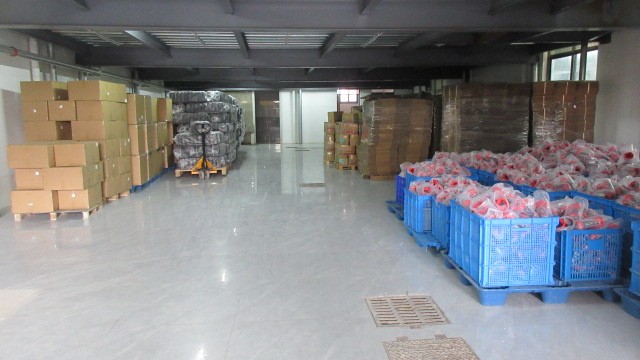
Global distributors look for manufacturers offering comprehensive compliance certifications (such as ISO 9001:2015, CE, and RoHS), predictable lead times, and robust packaging designed to withstand transoceanic shipping stresses. The ability to supply customizable OEM solutions—such as specialized surface treatments, custom shank configurations, and localized packaging—allows global distributors to quickly capture niche regional markets.
At the same time, risk mitigation strategies highlight the importance of sourcing from well-established factories that own integrated supply chains. By managing all phases of production internally, from raw powder processing to final grinding inspections, primary suppliers can insulate their clients from volatile raw material costs and global supply chain disruptions.
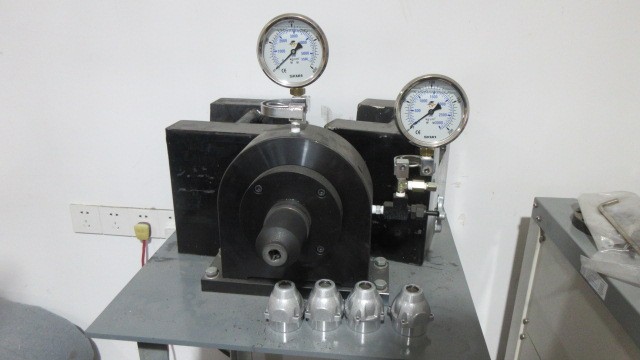
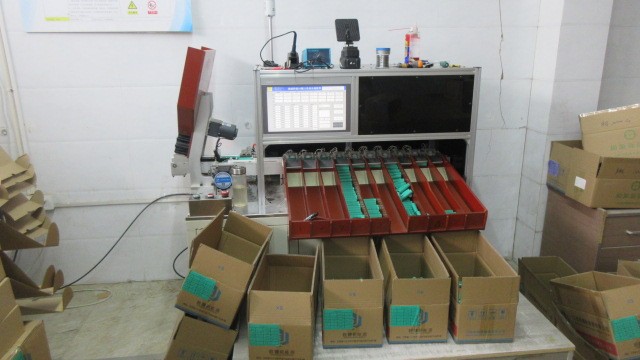
Our partner manufacturers deploy state-of-the-art testing stations featuring German-made optical comparators and dynamic balancing systems. This guarantees zero-defect shipments.
A detailed look into Guangzhou Bleep Forge Co., Ltd.'s modern manufacturing capabilities, smart systems, and engineering expertise.
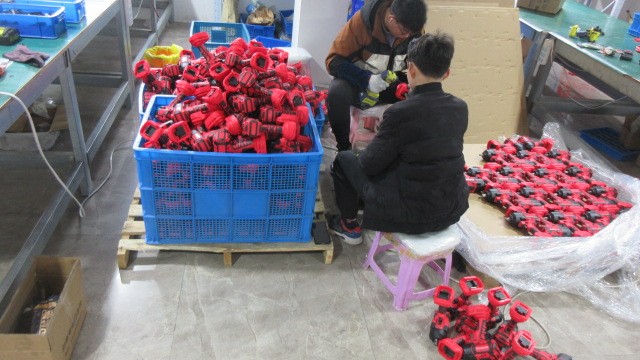
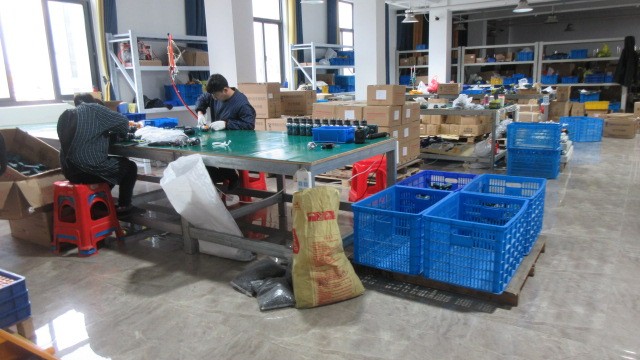
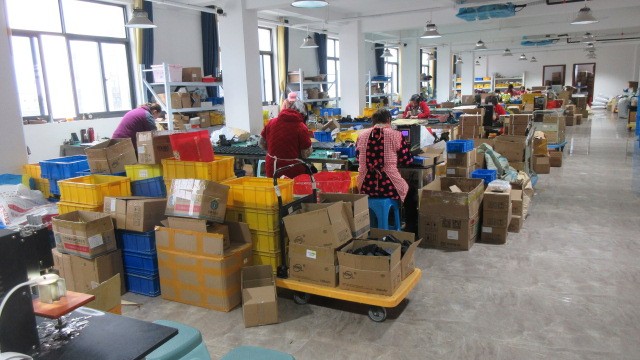
Guangzhou Bleep Forge Co., Ltd. is a professional Power Tool Manufacturer specializing in the development and production of cordless, electric, and industrial power tools for global distributors, brands, contractors, and industrial users. Established in 2013, the company is located in Guangzhou, China, with a modern manufacturing facility covering over 15,000 square meters and employing more than 260 skilled professionals across engineering, production, quality control, and international sales departments.
Bleep Forge provides comprehensive OEM and ODM solutions for customers seeking reliable power tool manufacturing services. The company’s product portfolio covers a wide range of applications, including construction, woodworking, metalworking, maintenance, renovation, and industrial assembly operations. Its manufacturing capabilities support both standard product production and customized development projects tailored to specific market requirements.
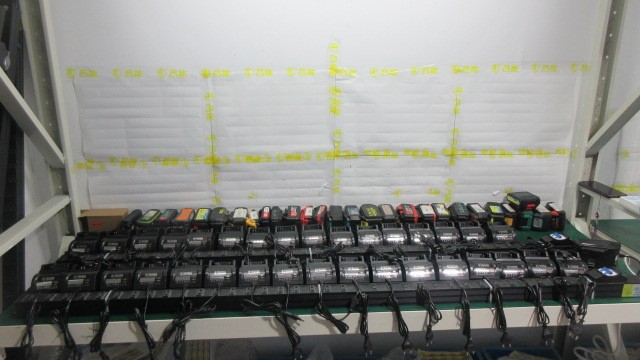
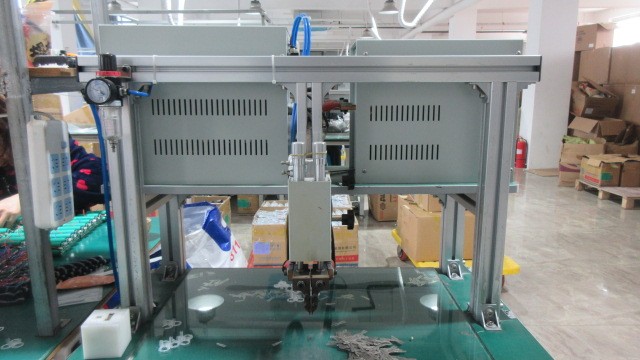
The company operates advanced production lines equipped with automated assembly systems, precision machining equipment, performance testing facilities, and strict quality inspection processes. Every stage of manufacturing is managed through standardized procedures to ensure consistent product performance, durability, and operational safety. A dedicated research and development team continuously works on improving tool efficiency, ergonomics, battery technology integration, and smart tool functionality to meet evolving industry demands.
Bleep Forge offers flexible customization services covering product design, housing development, branding, packaging, technical specifications, and market-specific compliance requirements. This enables customers to launch differentiated product lines while maintaining efficient supply chain management.
With a commitment to manufacturing excellence and long-term customer partnerships, Guangzhou Bleep Forge Co., Ltd. serves clients across North America, Europe, South America, the Middle East, Southeast Asia, and other international markets. Through continuous innovation, quality-focused production, and responsive customer support, the company delivers dependable power tool solutions for professional and industrial applications worldwide.
How our drilling and boring systems perform under heavy-duty loads in key global industries.
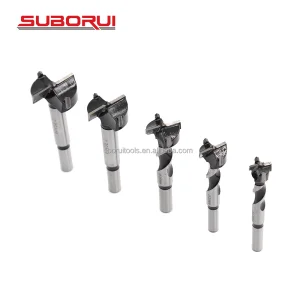
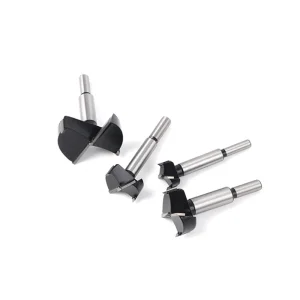
Using high-precision carbide Forstner bits and adjustable hinge boring tools ensures clean, tear-free holes in veneered plywood, MDF, and dense hardwoods. Dynamic centering pins prevent walking, ensuring smooth installation of furniture hardware.
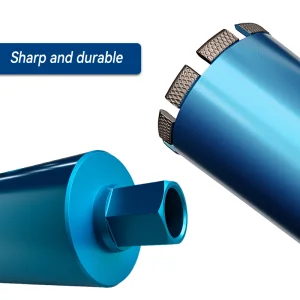
Diamond core drill bits are engineered to handle high-strength steel-reinforced concrete. These tools are critical for running HVAC lines, electrical conduits, and industrial plumbing, maintaining structural integrity and cutting efficiency.
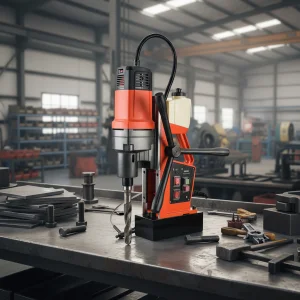
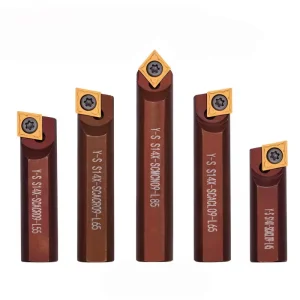
Heavy-duty magnetic drills and indexable carbide boring bars are designed for precision metalwork. They provide excellent stability and reliability when working with alloy steel, structural beams, and large-format engine castings.
Professional metalworking boring systems, carbide-tipped sets, and custom U-drill tooling setups.
In-depth technical answers regarding tool selection, machining parameters, and procurement best practices.
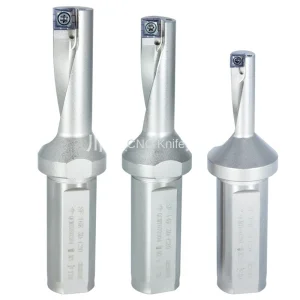
Drilling is the primary process used to cut a new, cylindrical hole in a solid workpiece. This is done using specialized tools like twist drills, U-drills, or spade drills.
Boring, on the other hand, is a finishing operation designed to enlarge, align, or improve the concentricity of an existing hole. Boring tools use single-point cutting edges (like boring bars or adjustable boring heads) to achieve very tight dimensional tolerances and smooth surface finishes.
Tungsten Carbide offers much higher hardness and compressive strength compared to traditional HSS. This enables tools to run at faster cutting speeds while maintaining sharp cutting edges.
The material's high modulus of elasticity also reduces tool deflection during deep-hole operations. While HSS remains suitable for manual processes and interrupted cuts due to its toughness, carbide tools are essential for automated CNC systems that require long tool life and high precision.
Guangzhou Bleep Forge Co., Ltd. manages a dedicated in-house engineering and tooling lab to support custom projects. Customers can supply custom dimensional drawings, specific voltage demands (e.g., 110V/220V configuration for electric magnetic drills), or specific color matching requirements.
We handle the entire process under one roof—from initial CAD reviews and rapid prototyping to volume production and brand packaging design. This helps global distributors launch customized tools quickly while ensuring reliable supply chains.
Selecting the right diamond core drill bit depends on concrete compressive strength, steel reinforcement ratio, and whether you are using a wet or dry cutting process.
Higher diamond concentration and harder bond matrices are required for highly abrasive aggregate materials. Wet drilling is generally recommended for deep masonry holes because it helps suppress silica dust, cools the diamond segments, and flushes out abrasive slurry to extend tool life.