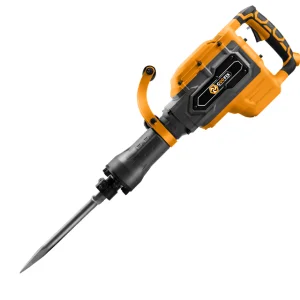
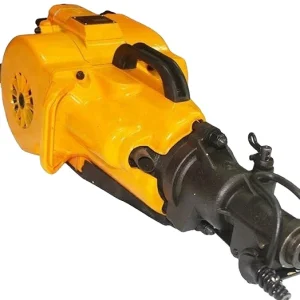
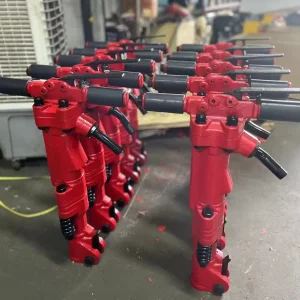
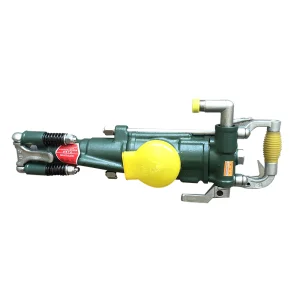
Explore professional-grade, high-impact industrial solutions engineered for rigorous excavation and heavy-duty demolition works.
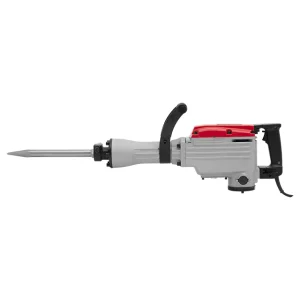
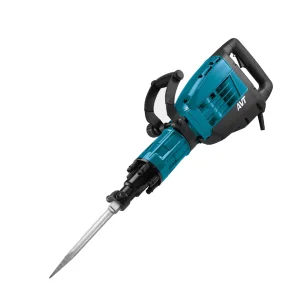
In the highly demanding sectors of construction, infrastructure renewal, structural recycling, and geological excavation, the role of heavy-duty demolition power tools cannot be overstated. Standard hand tools are wholly inadequate for modern engineering schedules. Consequently, the global market relies on highly specialized demolition power tools manufacturers to engineer solutions capable of delivering sustained, intense impact energy to fracture reinforced concrete, granite, asphalt, and masonry structures.
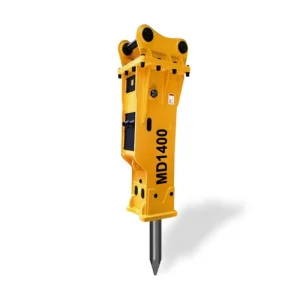
This industry whitepaper evaluates the current landscape of heavy impact tooling engineering, analyzing parameters such as output wattage, blow energy (measured in Joules), cycle rates, and mechanics. Whether looking at cordless electro-pneumatic rotary hammers, heavy air-driven compressor jackhammers, or excavator-mounted hydraulic breakers, procurement divisions face complex trade-offs between sheer performance, long-term operational durability, and safety compliance.
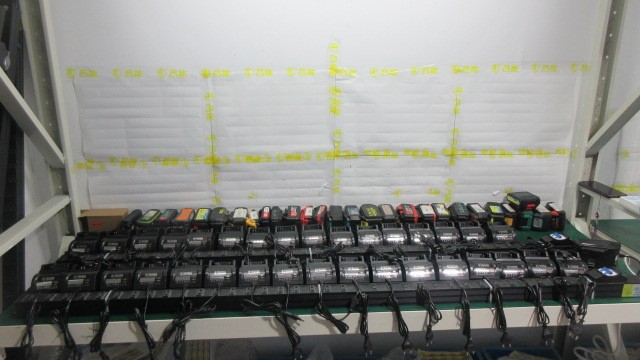
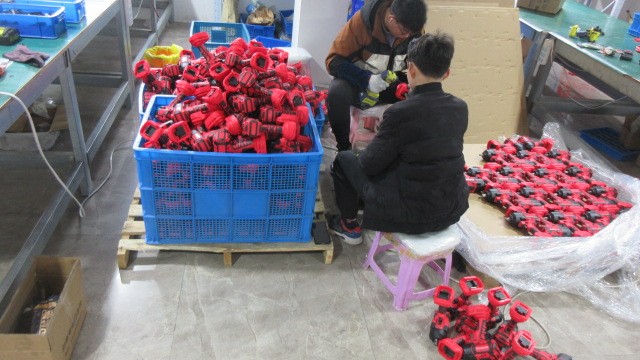
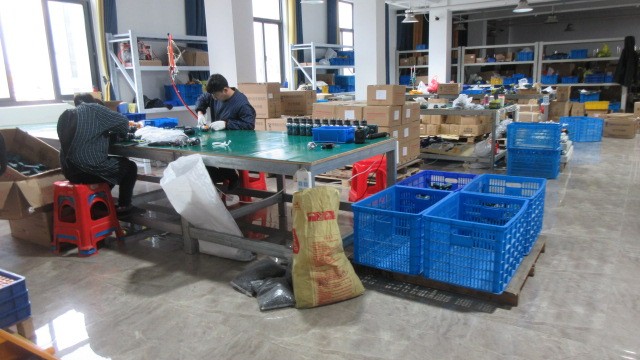
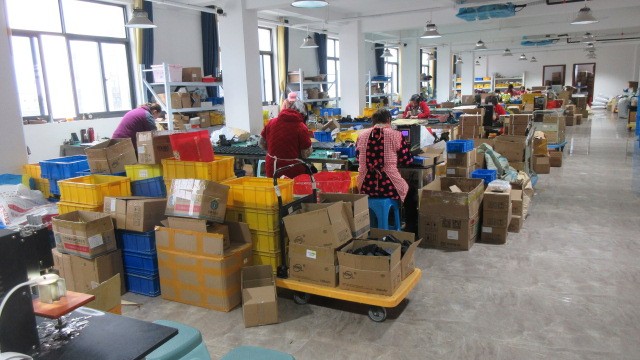
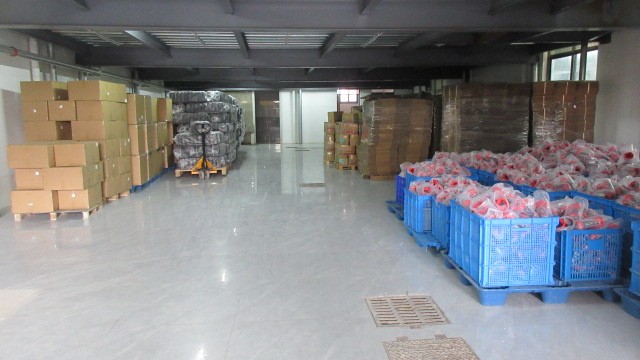
Guangzhou Bleep Forge Co., Ltd. stands at the forefront of this industrial evolution. Established in 2013 in Guangzhou, China, the company operates a state-of-the-art 15,000 square meter facility. With a dedicated workforce exceeding 260 skilled professionals spanning R&D, manufacturing engineering, stringent QA, and global supply chain management, Bleep Forge delivers high-end OEM/ODM services to tool brands, heavy contractors, and logistics distributors across North America, Europe, South America, the Middle East, and Southeast Asia.
By blending premium materials with advanced heat-treatment techniques, Bleep Forge designs demolition hammers and rock drills that deliver maximum impact energy while maintaining structural stability under thermal and mechanical stress. The company's manufacturing capability guarantees custom-tailored industrial options that align with dynamic global parameters.
Why sourcing from top-tier Chinese industrial hubs provides unmatched material and engineering efficiencies.
Southern Chinese manufacturing hubs boast proximity to the world's most advanced steel processing plants. Demolition chisels, pistons, and gears are manufactured from premium alloy steels such as 40CrNiMo and 20CrMnTi, which undergo precise gas carburizing and induction hardening to prevent micro-fracturing under repetitive high-intensity cyclic loads.
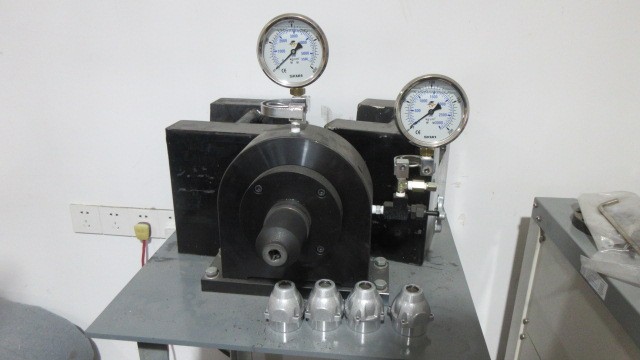
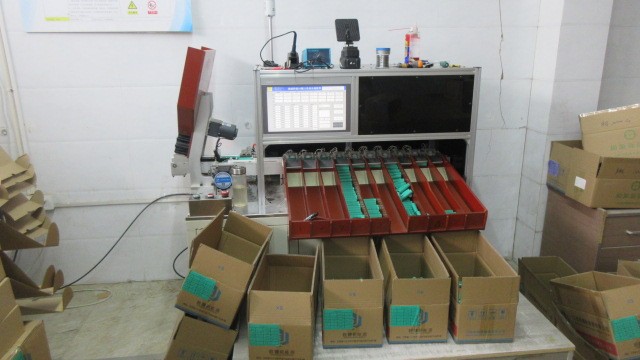
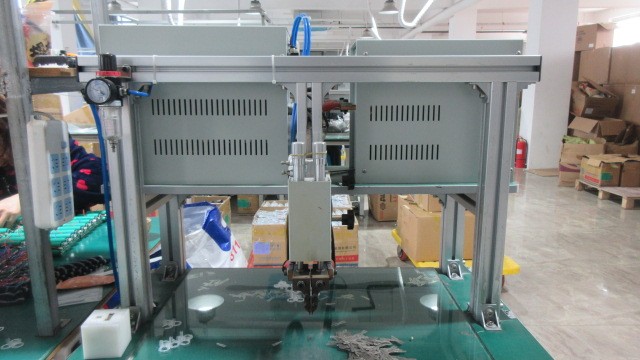
By housing die-casting, motor armature winding, metal machining, and quality assurance under one single production framework, manufacturers like Bleep Forge reduce transit lead times. Utilizing multi-axis CNC machines and automated testing benches, components achieve tolerances down to the micrometer level, reducing internal friction losses.
Chinese suppliers provide rapid prototyping services, transforming CAD diagrams into functional die-cast configurations within weeks. This accelerates product testing and allows global tool labels to quickly integrate customized aesthetics, unique grip orientations, and specific electrical components required for unique geographical markets.
Industrial organizations sourcing demolition tools globally face complex safety and regulatory standards. For tools like high-impact electric jackhammers and pneumatic drills, certification is not simply a legal formality—it is a critical verification of structural safety and operability under hazardous jobsite conditions.
The shift toward digital integration, advanced battery cell chemistry, and automated user protection systems.
Modern demolition hammers are migrating from carbon-brushed motors to brushless configurations powered by 40V or 80V lithium-ion platforms. This shift eliminates carbon dust, reduces thermal buildup, and delivers torque profiles matching or exceeding corded alternatives.
Contractors manage hundreds of tools across multiple job sites. Integration of Bluetooth/GPS tracking modules directly into the tool housing allows for real-time tracking of operational hours, maintenance alerts, and physical location coordinates to prevent tool theft.
When a large drill bit binds in rebar, the reactionary torque can rotate the tool, causing operator injury. Modern smart controllers monitor internal gyroscope sensors and instantly cut electrical power if a sudden rotation is detected, protecting the operator.
Demolition tools are subjected to different physical environments depending on global zoning, infrastructure styles, and mechanical standards. Selecting the appropriate tool mechanism is dependent on these environmental factors:
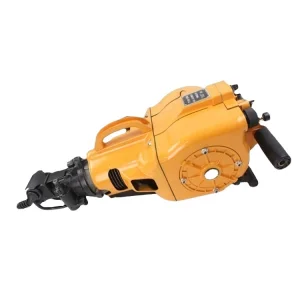
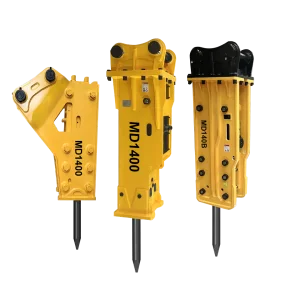
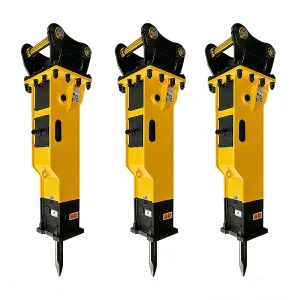
In cold-weather zones, concrete and soil structures freeze, reaching high levels of compressive hardness. Hydraulic excavator breakers and gasoline-powered portable jackhammers (such as the YN27C model) are preferred here. These systems run without the freezing risks associated with electric battery degradation or air compressor moisture buildup.
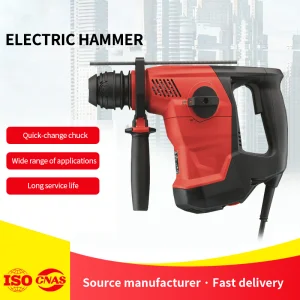
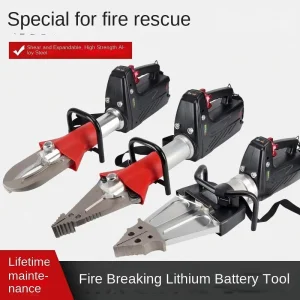
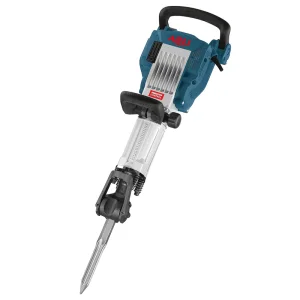
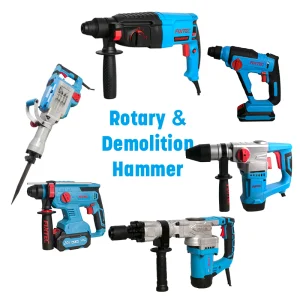
Chipping away masonry inside urban multi-story residential structures requires low weight, low noise, and minimal dust propagation. Contractors rely on lightweight SDS-Max rotary breakers and specialized electric hydraulic combination tools (such as the JK-370 Rescue/Demolition Tool Set) to cut through steel reinforcement loops quietly and without structural damage to adjacent walls.
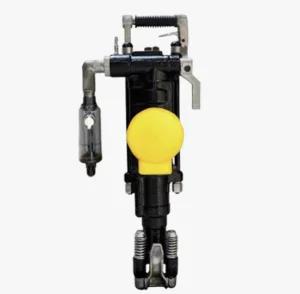
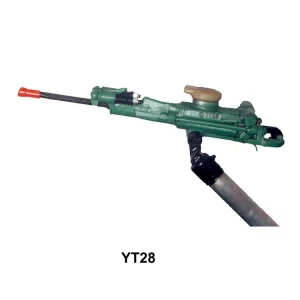
Quarry operations demand continuous duty cycles under dusty, abrasive conditions. Heavy pneumatic rock drills (such as the YT27 and TPB60/90 series) paired with diesel air compressors are utilized due to their mechanical simplicity and lack of internal electric armatures that can burn out in dusty air.
Answers to common industry inquiries regarding technical selection, OEM/ODM processes, and compliance.
Discover industrial-grade rock drills, heavy hydraulic breakers, and pneumatic mining jackhammers for the most challenging tasks.