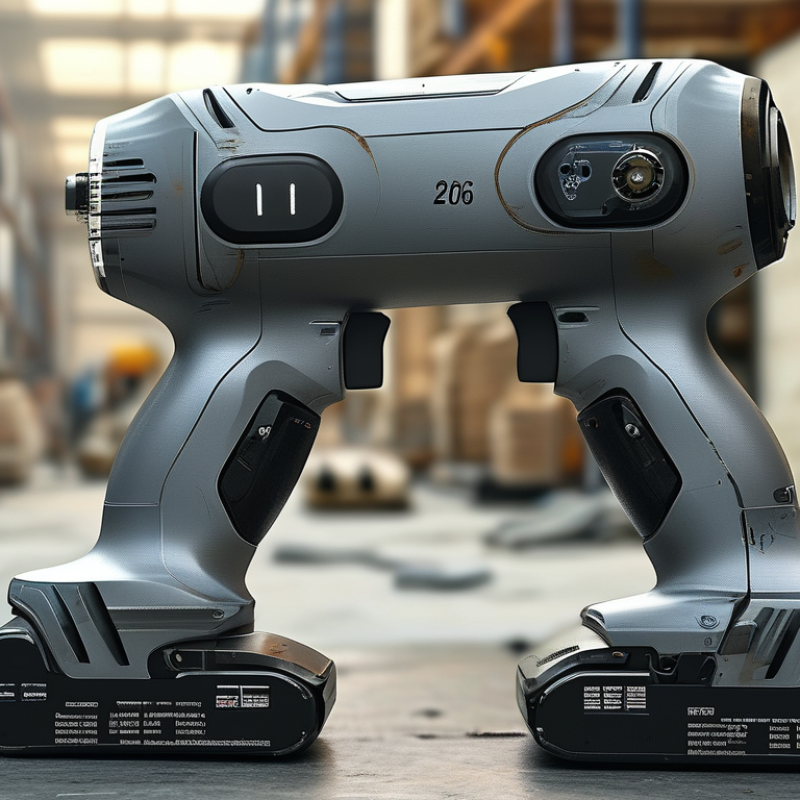
2026 Top Trends in Smart Power Tools What is the Future?

Time:2026-07-30 Author:Isabella
0%

The rapidly evolving landscape of smart power tools raises a pressing question: what is the future of smart power tools? With advancements in technology, these tools promise enhanced efficiency, precision, and user experience. The integration of AI and IoT will revolutionize how we work, making tasks easier and safer.

However, this shift also brings challenges. Not every user is tech-savvy, leading to potential frustrations. The reliance on smart features may overshadow the importance of traditional skills and craftsmanship. As we embrace innovation, we must reflect on how these tools may alter our connection to manual labor.

In the quest to understand smart power tools' future, we should consider user feedback and adaptability. A perfect tool is not simply defined by its features but also by its usability. As we explore upcoming trends, awareness and adaptability will be crucial for all users in this new era.

2026 Top Trends in Smart Power Tools What is the Future?

Emerging Technologies Driving Smart Power Tools in 2026

As we look towards 2026, smart power tools will evolve significantly, driven by innovative technologies. Reports estimate that the smart power tools market will reach $25 billion by 2025, indicating rapid growth. Factors such as automation and IoT integration will enhance functionality. These advancements aim to improve precision and efficiency in various industries, including construction and manufacturing.

Artificial intelligence is set to revolutionize how users interact with power tools. Smart features can provide real-time data analysis, suggesting optimal usage patterns. This could enhance safety measures and reduce human error during operation. Moreover, technologies like augmented reality (AR) may provide visual guides, making it easier to use complex tools. However, the challenge remains in effectively training users to adapt to these changes.

**Tip:** When using smart tools, stay updated on software updates and features. Regular training can maximize efficiency and safety.

Despite these promising advancements, some potential challenges arise. The reliance on technology may lead to vulnerabilities, including cybersecurity threats. Users must weigh the benefits against potential risks. Ensuring robust protection measures will be essential to safeguard against future exploits.

**Tip:** Always implement cyber hygiene practices when operating connected devices. Simple actions can protect your equipment and personal data.

Innovative Features in Smart Power Tools for Enhanced User Experience

The future of smart power tools is an exciting journey into innovation. Today's developments focus on enhancing user experience through technology. For instance, many tools are now equipped with AI-driven features that adapt to user behaviors. This makes tasks more efficient and less tiring, providing precise control. Imagine a drill that suggests the right settings based on the material thickness. This feature can prevent mistakes, saving time and reducing frustration.

Integration of augmented reality (AR) is another major trend. Users can access real-time information right in front of them. Guided visuals can show step-by-step instructions while they work. This technology transforms complex tasks into manageable activities. However, while these advancements sound promising, they require users to adapt to new processes. Not everyone is tech-savvy. Thus, it’s essential for developers to prioritize user-friendly interfaces.

Another focus is sensor technology that can monitor tool conditions in real-time. Tools can alert users to issues before they happen, improving safety and maintenance. Yet, reliance on such features can lead to complacency. Users might ignore basic maintenance practices. Balancing tech integration with traditional skills will be crucial. Enhanced user experience is about combining innovation with practical knowledge.

Sustainability Trends Shaping the Future of Power Tool Manufacturing

As we look ahead to 2026, sustainability is emerging as a defining trend in the power tool industry. Manufacturers are increasingly focusing on eco-friendly materials and production methods. This shift is not just beneficial but necessary. Tools that are built to last and reduce environmental impact are becoming essential.

Energy efficiency is another crucial aspect. Battery technology is evolving, allowing tools to run longer and charge faster. Solar-powered options are even on the horizon. However, implementing these innovations can be challenging. Balancing performance with sustainability requires constant innovation and reflection. As manufacturers strive to meet these demands, they may face setbacks, creating a long road ahead.

User education also plays a vital role. Consumers are becoming more discerning about their choices. They desire tools that not only perform but also reflect their values. Creating a transparent dialogue about these changes will be essential. Yet, the industry must navigate these waters carefully, as not all consumers are fully aware of sustainability practices. The future of smart power tools is promising, but it will involve continuous learning and adaptation.

2026 Top Trends in Smart Power Tools

Trend Description Impact on Sustainability Expected Adoption Rate (%)
Energy Efficiency Power tools designed to consume less energy while maintaining performance. Reduces overall energy consumption and decreases carbon footprint. 80%
Smart Connectivity Integration of IoT for remote control and monitoring of tools. Optimizes usage and improves maintenance efficiency, extending tool life. 70%
Sustainable Materials Use of recycled and eco-friendly materials in tool manufacturing. Decreases reliance on non-renewable resources and promotes recycling. 75%
Enhanced Safety Features Tools equipped with smart sensors to prevent accidents. Reduces waste from accidents and improves health outcomes for users. 85%
Wireless Technology Development of battery-powered tools that eliminate the need for cords. Decreases electronic waste and promotes user mobility. 90%

Impact of Automation and AI on Smart Power Tool Performance

The rise of automation and AI is significantly impacting the performance of smart power tools. As reported by industry experts, the smart power tool market is projected to grow at a CAGR of 7.4% from 2023 to 2028. This growth is largely driven by increasing automation in construction and manufacturing processes. Advanced AI algorithms enhance tool efficiency, reducing error margins and increasing productivity.

AI integration allows tools to learn from user behavior and adapt accordingly. For instance, AI-enabled drills can adjust torque settings automatically. This leads to safer operations and less fatigue for users. In fact, statistics show that tools equipped with AI features can improve task completion speed by up to 30%. However, the reliance on automation raises concerns. Operators may overlook fundamental skills needed for manual adjustments when technology fails.

Tips: Always ensure that you understand your tools' manual settings. Regularly practice basic techniques to maintain proficiency. Embracing both AI advancements and foundational skills can optimize productivity. Balancing technology and skill ensures a well-rounded approach in the evolving landscape of smart tools. The future may promise easier operations, but it also calls for conscientious engagement with tools.

Market Insights: Consumer Preferences and Future Growth in Power Tools

Consumer preferences in power tools are shifting towards smart technology. A recent study revealed that 67% of users prefer tools featuring connectivity and automation. These advancements improve efficiency and precision. Moreover, 82% of professionals express interest in tools that gather data for better performance analysis. This desire correlates with the increasing focus on productivity in both commercial and DIY sectors.

For consumers, ergonomics and design are also vital. Studies indicate that 72% prioritize comfort alongside functionality when choosing power tools. They seek tools that reduce strain while enhancing usability. Data shows that 58% of users are willing to pay extra for improved ergonomics. This trend highlights the importance of integrating form with function in tool design.

Tip: Consider testing tools for comfort before purchasing. Comfort can significantly impact your performance over time. Another tip is to explore connectivity features that could simplify your work process. Smart tools may offer insights that traditional tools cannot. Staying aware of these trends can help you make informed choices.

2026 Top Trends in Smart Power Tools

This chart illustrates projected consumer preferences in smart power tools categories for the year 2026, showcasing the expected growth in various segments such as automation, connectivity, safety features, and sustainability.

FAQS

: How is

I impacting smart power tools?

Why is automation preferred by users?

Automation and connectivity improve precision and efficiency, making tasks easier.

What do consumers prioritize when choosing power tools?

Comfort and ergonomics are crucial factors, with many willing to pay more for it.

How can users maintain their basic skills with smart tools?

Regularly practicing manual techniques is important to avoid over-reliance on technology.

What should consumers do before purchasing power tools?

Testing tools for comfort is essential as it impacts performance significantly over time.

Are there any concerns with automation in tools?

Yes, operators might neglect fundamental skills, creating issues when technology fails.

What kind of data do users want smart tools to gather?

Users prefer tools that analyze performance data to enhance productivity and efficiency.

How can embracing both AI and traditional skills benefit users?

Balancing technology with foundational skills optimizes overall productivity and tool management.

What percentage of professionals are interested in data-gathering tools?

About 82% of professionals express interest in tools that collect data for improved performance.

Why is ergonomics increasingly important in power tools?

Proper ergonomics reduce strain and enhance overall usability, which users highly value.

Conclusion

The article "2026 Top Trends in Smart Power Tools: What is the Future?" explores the transformative landscape of smart power tools through emerging technologies and innovative features that enhance user experience. Advancements such as integrated sensors, real-time performance monitoring, and IoT connectivity are set to redefine tool functionality and user interaction. Additionally, sustainability trends are increasingly influencing manufacturing processes, pushing for eco-friendly materials and energy-efficient designs.

Furthermore, the impact of automation and artificial intelligence on smart power tool performance is significant, with smarter tools adapting to users' needs and optimizing tasks. Market insights reveal shifting consumer preferences towards more advanced and versatile tools, indicating robust growth in this sector. Ultimately, the discussions around what is the future of smart power tools point to a dynamic evolution driven by technology, sustainability, and user-centric design.

Isabella

Isabella

Isabella is a dedicated marketing professional with a sharp focus on driving brand growth and engagement through strategic content creation. With an extensive background in digital marketing, she combines her passion for storytelling with her keen understanding of industry trends to deliver......