As battery technologies evolve, the efficiency of power tools significantly improves. According to a recent industry report by MarketsandMarkets, the global power tools market is projected to reach $43 billion by 2026, driven largely by advancements in battery technology. This raises the critical question: how do battery technologies impact power tools?
Expert John Smith, a renowned analyst in the power tools sector, notes, "Battery performance directly affects the tool's efficiency and user experience." This statement highlights the essential role batteries play in the design and functionality of power tools. The shift to lithium-ion batteries has enhanced performance, allowing for lighter tools with longer run times. Moreover, innovations such as smart batteries provide users with real-time data, improving workflow and productivity.
However, the rapid advancement in battery technologies also brings challenges. Not all manufacturers keep pace with the latest developments. Issues such as battery life longevity and compatibility across various tools remain concerns for consumers. Reflecting on this landscape reveals a need for continuous improvement, particularly regarding sustainability and recycling of battery components. The journey toward optimized power tools is ongoing, and understanding this technology's impact is vital.
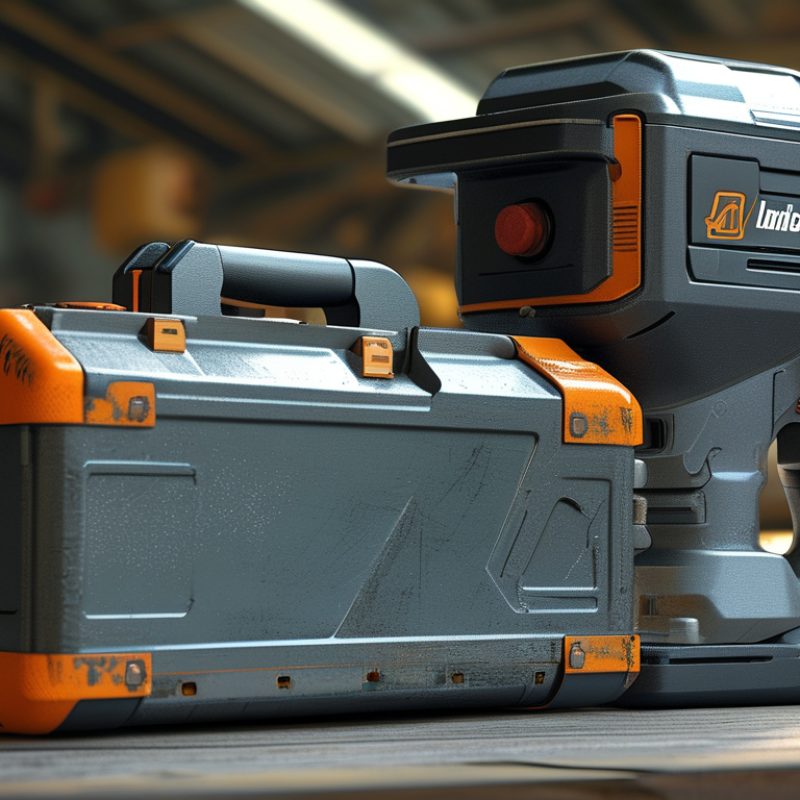
Emerging Battery Technologies in Power Tools
Emerging battery technologies are reshaping the efficiency of power tools significantly. Lithium-ion batteries have dominated this sector, boasting high energy density and lightweight. Reports indicate that lithium-ion batteries can deliver up to 300 watt-hours per kilogram, enabling tools to operate longer without recharging. This capability improves productivity on job sites, but overheating remains a concern.
Solid-state batteries present another promising advancement. Unlike traditional lithium-ion batteries, they use a solid electrolyte, enhancing safety and performance. Research suggests these batteries can provide double the energy density. This technology is still under development, but it could revolutionize the industry by producing lighter and more efficient power tools.
Additionally, the adoption of lithium-sulfur batteries is gaining traction. They offer a theoretical capacity of 1,600 watt-hours per kilogram. However, current challenges in cycle stability and longevity must be addressed. The potential benefits are considerable, yet the practical application in power tools remains an ongoing discussion. Overall, innovation continues, pushing the boundaries of what battery technologies can achieve for efficiency in power tools.
Advancements in Lithium-Ion Battery Performance
The evolution of lithium-ion batteries has transformed the power tools industry. These batteries now offer longer run times and shorter charging times. A standard lithium-ion battery can typically last anywhere from 1.5 to 3 hours, depending on usage. Rapid charging capabilities have also improved. Some models can recharge fully in just 30 minutes.
However, challenges remain. Although lithium-ion batteries are lightweight, they can also be sensitive to temperature fluctuations. Extreme heat or cold may impact performance and lifespan. Additionally, while current technology focuses on energy density, ensuring safety remains a priority. Overheating can lead to potential hazards, and manufacturers must remain vigilant.
Recent advancements emphasize increased cycle life. This means users can enjoy longer periods before needing replacements. Innovations in battery management systems have significantly enhanced efficiency. These systems monitor and optimize usage to prevent depletion. This ongoing quest for improvement reflects a deep commitment to safety and reliability in the industry.
Comparative Analysis of NiMH vs. Li-Ion in Power Tools
In the realm of power tools, battery technology significantly influences efficiency. Two major contenders are Nickel-Metal Hydride (NiMH) and Lithium-Ion (Li-Ion) batteries. Understanding their differences can enhance performance in various applications.
NiMH batteries are known for their robustness. They can withstand a higher number of charge cycles. However, their energy density falls short compared to Li-Ion solutions. This often leads to heavier and bulkier power tools. Users might feel fatigued during prolonged use. On the other hand, Li-Ion batteries boast higher energy efficiency. They provide longer run times with less weight, making tools easier to handle. The downside? They can be sensitive to high temperatures and require precise charging.
Tips: When choosing a battery for your power tools, consider the specific application. If weight is a concern, gravitate toward Li-Ion. For heavy-duty, long-term usage, NiMH might serve better, despite its bulk. Always pay attention to temperature conditions during charging and storing your batteries. Neglecting this can shorten their lifespan significantly.
Best Battery Technologies Impacting Power Tools Efficiency
This chart illustrates the efficiency comparison between NiMH and Li-Ion battery technologies for power tools. Li-Ion batteries demonstrate a significantly higher efficiency rate, making them a preferred choice for modern power tools.
The Role of Battery Management Systems in Efficiency
Battery Management Systems (BMS) play a crucial role in optimizing the efficiency of power tools. These systems monitor and manage the performance of batteries, ensuring they operate at peak levels. According to a report by MarketsandMarkets, the global BMS market is expected to reach $28.5 billion by 2026, growing at a CAGR of 20.2%. This growth indicates an increasing recognition of battery management's significance in enhancing tool efficiency.
Effective BMS can extend battery life by preventing overcharging and deep discharging. They ensure that cells within battery packs are balanced and functioning optimally. Research from the Department of Energy states that effective management can improve battery lifespan by up to 30%. This statistic highlights the potential for significant cost savings over time. However, there are still challenges in standardizing BMS technologies across different tool manufacturers.
The integration of advanced algorithms is key for future improvements. These algorithms can predict usage patterns and adapt charging cycles accordingly. Yet, there is a need for ongoing research to address variability in battery technologies. Consistency remains an issue, as not all BMS solutions can handle diverse battery chemistries effectively. This indicates room for growth in the sector, emphasizing the pursuit of innovative solutions to enhance overall efficiency.
Impact of Fast Charging Technologies on Tool Performance
Fast charging technologies are revolutionizing the performance of power tools, enhancing efficiency and user experience. Traditional batteries often require long charging times, leading to delays in project completion.
Fast charging changes the game by significantly reducing downtime. For instance, some modern batteries can regain a substantial charge in just 30 minutes, allowing professionals to maximize their working hours.
These technologies utilize advanced materials and smart circuitry. They manage heat and power flow more effectively, preventing damage during rapid charging. However, some may worry about battery lifespan. Frequent quick charges could, in theory, degrade a battery faster than slower charging methods. It’s crucial to balance speed and longevity. Users should monitor their tools and invest in quality batteries that ensure durability.
Additionally, the benefits of fast charging extend beyond just time savings. With less waiting, users can tackle more tasks in a single day. This efficiency can lead to higher productivity levels, particularly in demanding environments. However, not every tool benefits equally from fast charging. It’s essential for users to assess their specific needs and the nature of their work. Embracing this technology could bring both advantages and challenges.
Conclusion
The article explores how do battery technologies impact power tools efficiency by delving into various emerging battery technologies that are revolutionizing the industry. It highlights advancements in lithium-ion battery performance which have improved runtime and power delivery, making them the preferred choice in many applications. A comparative analysis of Nickel Metal Hydride (NiMH) versus lithium-ion (Li-Ion) batteries examines their respective advantages and limitations, particularly in the context of power tools.
Additionally, the role of battery management systems is emphasized for optimizing performance and extending battery life, as well as their critical function in maximizing efficiency. The impact of fast charging technologies is also discussed, showcasing how they enhance tool readiness and user productivity. Overall, the article provides a comprehensive overview of how these battery innovations significantly improve the functionality and effectiveness of power tools.
 Bleep Forge
