Bleep Forge
Choosing the right power tools for woodworking can be overwhelming. Many options exist, making it hard to decide which ones are truly essential. Understanding how to choose power tools for woodworking is crucial for both beginners and seasoned woodworkers. The right tools can enhance your creativity and efficiency.
When selecting power tools, consider your specific needs. Each project may require different tools. Think about the type of woodworking you want to pursue. Are you focused on furniture making, cabinetry, or carving? Your choices will vary with your goals. Take a moment to reflect on what tools you already possess and what tools you still need.
It's important to research each tool's functionality and reputation. Reliability and user reviews provide insight into performance. Remember, investing in quality tools can save you frustration later. However, don’t solely rely on brand names. Sometimes less-known brands offer excellent value. Ultimately, the goal is to find tools that enhance your woodworking experience and unleash your creativity.
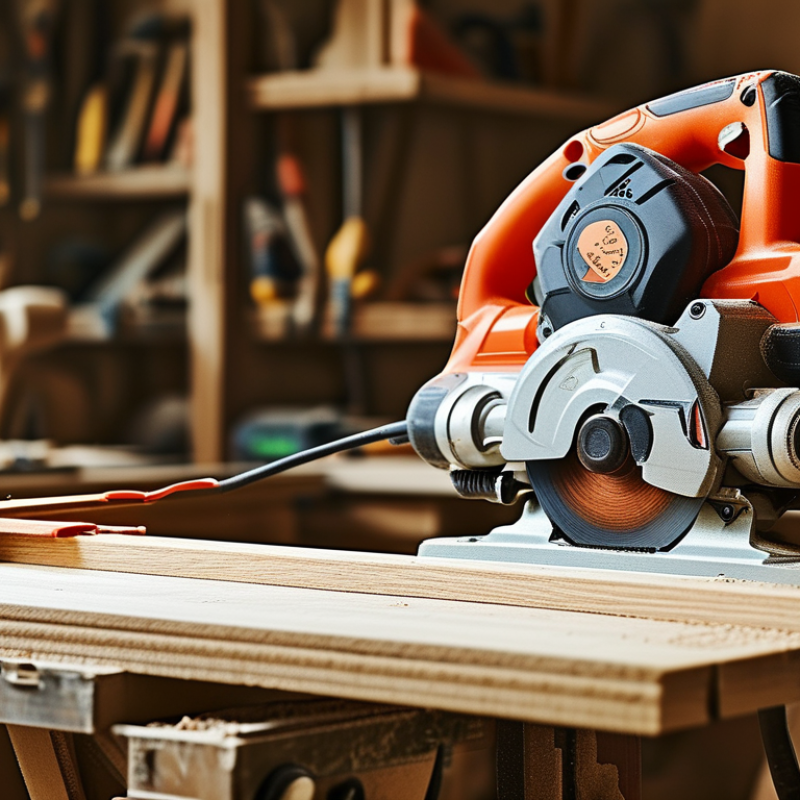
When selecting power tools for woodworking, understanding the types is crucial. Each tool serves a unique purpose. For instance, a circular saw cuts through wood with precision, but it may not deliver the finesse needed for intricate designs. A jigsaw offers versatility, allowing for curved cuts, yet it might not provide the same power for thicker stock.
The router is another essential tool. It shapes edges beautifully but can be intimidating at first. Beginners might struggle with its setup. Drill presses add another layer of complexity. While they allow for accurate drilling, they're often bulky and require ample workspace. Each tool's learning curve may lead to frustration, yet mastering them adds to your craftsmanship.
Finally, consider dust collection systems. They are often overlooked but play a vital role in a safe workspace. A clean area promotes focus and efficiency. Balancing power, precision, and safety should guide your choices. Your journey through woodworking tools may be challenging but rewarding.
When evaluating your woodworking projects, it’s crucial to assess what tools you'll need. Consider the scale and complexity of your projects. Basic woodworking tasks might require saws and drills, but larger projects will need more specialized tools. According to a survey by the Woodworking Industry Association, 67% of hobbyists invest in tools that enhance precision and efficiency. This shows the importance of being aware of your requirements before making purchases.
Tips: Start with versatile tools. A quality circular saw can handle various tasks. Look at your project plans and list out the specific cuts you need to make. This can help you narrow down options effectively. Also, consider the materials you'll be working with. Softwoods and hardwoods can require different tools, impacting your choices significantly.
Reflecting on your skills is also essential. Beginners might need more instructional tools, while seasoned woodworkers might prioritize advanced equipment. Reports indicate that 45% of seasoned woodworkers feel confident in choosing tools based on experience alone. However, it’s wise to remain open to learning new techniques and tools as your projects evolve. Adapting your tool collection can lead to better results and a satisfying woodworking experience.
| Tool Type | Purpose | Recommended Power | Key Features | Ideal Projects |
|---|---|---|---|---|
| Circular Saw | Cutting large sheets of wood | 1500-1800 Watts | Adjustable bevel angle, laser guide | Furniture making, framing |
| Table Saw | Precision crosscuts and rip cuts | 1800-3000 Watts | Rip fence, miter gauge | Cabinetmaking, woodworking shops |
| Router | Creating edges and grooves | 800-1200 Watts | Variable speed, depth adjustment | Cabinet door making, decorative edges |
| Jigsaw | Curved cuts and intricate shapes | 400-700 Watts | Adjustable speed, orbital action | Craft projects, patterns |
| Planer | Thicknessing wood | 1200-1500 Watts | Depth settings, easy feed | Flooring, furniture making |
When selecting power tools for woodworking, safety features should be a primary consideration. Look for tools with guards and safety switches. These features help prevent accidental injuries. A tool’s weight and design also influence safety. A tool that is too heavy may lead to strain. Proper ergonomics can make a significant difference. Comfortable handles and balanced designs enhance control during use.
User comfort is vital for extended woodworking sessions. Tools that fit well in your hand reduce fatigue. A soft grip can provide a secure hold. Noise levels are another aspect to consider. Prolonged exposure to loud tools can cause hearing damage. Using ear protection should be a given. Vibrations from tools can lead to discomfort and long-term health issues. Look for tools that minimize vibration.
Testing tools before purchase can help assess comfort. Pay attention to how a tool feels during use. If it feels awkward, it may not be the right choice. Not every tool will suit every user. Personal preferences play a significant role in comfort. Take time to reflect on your own needs as a woodworker. Prioritize tools that not only perform well but also feel good to use.
Choosing power tools for woodworking involves finding the right balance between budget and quality. Many hobbyists face the dilemma of investing in expensive tools or opting for cheaper alternatives. A report from the Hand Tools Institute highlights that a significant portion of novice woodworkers, about 65%, often prioritize cost over quality. This can lead to dissatisfaction and ultimately wasted money.
Quality tools often deliver better performance and durability. However, a comprehensive survey from the Woodworkers Guild indicates that approximately 70% of users experience frustration with low-quality tools. These tools may not cut well, resulting in poor finishes and wasted materials. Investing in higher-quality tools may initially seem daunting. Yet, tools that offer longevity and efficiency can save money in the long run.
It’s worth noting that the woodworking community emphasizes the importance of investing in key tools that directly impact the quality of work. For example, a table saw and a jointer can significantly enhance precision. Striking a balance between affordability and reliability is crucial. Trying to cut costs on essential tools often results in less satisfactory projects. Reflecting on one’s tool choices is essential for growth in woodworking skills.
When diving into woodworking, selecting the right power tools is crucial. One of the most effective strategies involves researching brands and reviews. Reliable information can lead you to tools that enhance your craftsmanship. Industry reports suggest that around 70% of buyers look for user reviews before making a decision. This statistic highlights how influential these insights are.
Pay attention to product specifications. Look for tools with superior performance ratings and durability. For example, tools that are easy to handle and maintain tend to receive positive feedback. A survey by a woodworking association found that tools with ergonomic designs are favored by 80% of users. Gathering this information ensures you invest in equipment that meets your needs.
However, not all reviews are unbiased. Some may stem from promotions rather than genuine user experiences. It’s essential to consider multiple sources. A tool may have great reviews but could fall short in real-world application. By cross-referencing opinions, you can uncover the true performance of a tool. Balancing positive feedback with personal experiences from trusted sources will guide your choices effectively.
: Basic tasks usually require saws and drills. More complex projects need specialized tools.
Start with a quality circular saw. It can handle various tasks effectively.
Softwoods and hardwoods require different tools. This impacts your choices significantly.
Beginners might need instructional tools. It's vital to reflect on skill levels for appropriate choices.
Many novice woodworkers prioritize cost over quality. This can lead to dissatisfaction and wasted money.
Low-quality tools may not cut well. This results in poor finishes and wasted materials.
Quality tools enhance project precision. A table saw or jointer can significantly improve your work.
Reflecting helps identify areas for growth. It encourages adapting your collection for better results.
When learning how to choose power tools for woodworking effectively, it's essential to first understand the different types of tools available. Each tool serves specific functions, and aligning them with your woodworking projects can help you determine exactly what you need. Evaluating your project requirements will lead you to select the right tools that meet both your operational and safety needs.
Additionally, assessing safety features and user comfort should be a priority, as these elements are crucial for a safe working environment. Budget considerations also play a significant role; balancing quality with cost ensures you make smart purchases that won’t compromise your craft. Finally, researching brands and reading reviews can further enhance your decision-making process, ensuring that the tools you choose are reliable and perform well.