Bleep Forge
Selecting the right power tools for construction projects is crucial for success. According to a report from the Power Tool Institute, over 40% of construction professionals cite inadequate tools as a major obstacle in project efficiency. Understanding how to select power tools for construction projects can directly impact productivity and safety on site.
Professional recommendations emphasize assessing both the task and the environment. For instance, cordless tools enhance mobility, while corded ones often provide more power for heavy-duty tasks. A study published in Construction Technology revealed that using the appropriate tool can improve project timelines by up to 30%.
However, not all tools are created equal. The wrong choice may lead to increased fatigue or even injury. Research indicates that 20% of construction injuries are related to improper tool use. Evaluating a tool's reliability and ergonomics is vital. Balancing cost and performance also requires careful thought—what seems like a bargain may end up being an expensive mistake down the line.
When choosing power tools for construction projects, understanding your project requirements is crucial. The nature and scale of your project dictate the types of tools you need. For instance, a small DIY task demands different tools compared to a large-scale renovation. Identify the materials you'll work with and the complexity of the tasks ahead; this will guide your tool selection.
Tips: Consider the tool's compatibility with the materials you will use. For example, a wood project requires different tools than metalworking. Always assess your skill level. Newbies might choose simpler, more forgiving tools while experts can handle more complex machinery. Safety features are your best friends. Ensure any power tool you consider offers reliable safety mechanisms.
Project requirements can sometimes lead to overestimating your needs. A tool may seem indispensable but might end up being underutilized. Reflect on past projects and the tools that became dust collectors. Analyze what you truly used and what you could have done without. This reflection can save you money and space on unnecessary equipment.
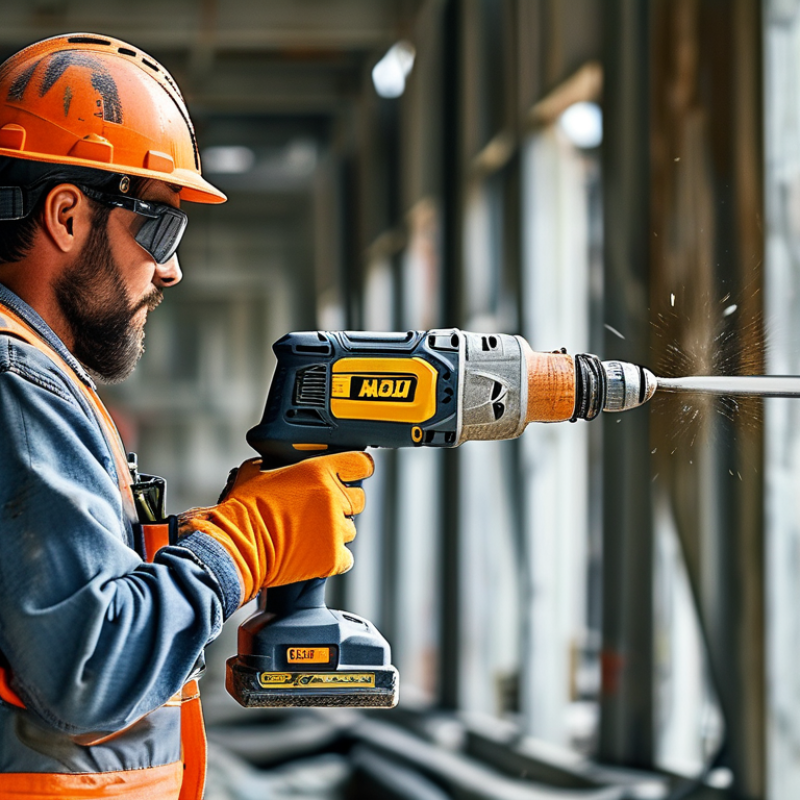
When evaluating power tools for construction projects, it's essential to understand their specific functions. Different tools serve unique purposes. For instance, drills are critical for creating holes in various materials. In 2021, a survey indicated that 40% of construction professionals considered drills the most vital power tool. Their versatility makes them invaluable at job sites.
Sawing tools are another category that requires careful selection. Circular saws, for example, are prevalent for cutting wood and other materials. Data from a recent industry analysis revealed that 35% of contractors prefer circular saws due to their efficiency and precision. Yet, they can be dangerous if not used correctly. Proper training reduces injury risks significantly.
While power tools increase productivity, they also come with challenges. Noise levels can exceed safe limits. Reports suggest that 80% of construction workers experience hearing loss over time. Choosing tools with lower decibel ratings can mitigate this issue. It's crucial to balance performance with safety and comfort in the workplace. This careful evaluation not only enhances project outcomes but also ensures worker well-being.
Choosing power tools for construction requires careful thought about safety and ergonomics. A well-designed tool enhances performance while minimizing injury risk. Look for tools with features that improve comfort and control. Tools should feel good in your hands. Heavy tools can cause fatigue. Opt for lighter options when possible.
Many power tools have safety features. These include blade guards, safety locks, and automatic shut-off switches. Check if the tool meets safety standards. Using tools without adequate safety features can lead to accidents. Always wear appropriate personal protective equipment. It’s better to be cautious than to regret a decision later.
Test tools before purchasing. Visit hardware stores to feel the weight and balance. Notice if the controls are easy to reach. Some tools are more intuitive than others. A poor fit can create strain. Listen to feedback from experienced users. Their insights can guide you toward safer choices. Consider the task at hand and reflect on how different tools can influence your work. Every detail matters in construction.
When tackling construction projects, understanding power sources is essential. Electric tools are the most common choice. They plug into a power outlet, eliminating battery concerns. However, a long extension cord can limit your mobility on site. In cramped spaces, cords can become a hazard, creating a potential trip risk.
Battery-powered tools offer flexibility and convenience.
No cords mean more freedom of movement. When choosing battery tools, consider the battery life. Longer-lasting batteries allow for more work without interruption. Yet, the initial investment may be higher, and replacement batteries can be costly.
Pneumatic tools are powerful and efficient. They require an air compressor, which can be bulky and add to setup time. However, they perform excellently for heavy-duty tasks. Be prepared for the noise, as these tools can be quite loud. If using pneumatic tools, invest in quality ear protection.
Tips: Always test tools in varying conditions before making a final decision. Each project is unique, and adaptability is crucial. Also, consider your team's skill level with different tools. A mix of tool types may be necessary to complete your projects effectively.
Investing in reliable power tools can seem daunting. However, understanding your budget can make all the difference. Spend wisely. Quality tools often perform better and last longer. A well-chosen tool can save time on the job and improve safety.
Think about the tasks you'll tackle. A drill for heavy-duty projects should be durable and dependable. It’s worth researching different specs. While it can be tempting to go for cheaper options, think about the long-term effects. Cheaper tools may fail when you need them most.
You might also find yourself balancing immediate needs and future investments. Sometimes, experience teaches us that cutting corners leads to frustration. Reliable power tools can boost productivity and reduce stress. Remember, it's not about having the most tools but having the right ones for your projects.
: Evaluating tools ensures they meet specific functions needed for construction projects. Each tool has a unique purpose.
Drills are versatile tools for making holes. Their importance in construction is reflected in survey results from professionals.
Proper training and awareness of tool safety can lower risks. Using protective features is crucial for safe operation.
Noise levels can be harmful. Many workers experience hearing loss over time, so tool selection should consider decibel ratings.
Look for tools that feel good in your hands and reduce strain. Weight and balance matter greatly for prolonged use.
Essential features include blade guards, safety locks, and shut-off switches. Always check for compliance with safety standards.
Battery tools offer convenience but consider battery life and cost. They provide freedom but may require significant initial investment.
Pneumatic tools excel in heavy-duty tasks. However, be prepared for noise and the need for an air compressor setup.
Test tools before buying. Check the weight, balance, and ease of access to controls. This impacts overall usability.
Every project is unique, and the right mix of tools enhances efficiency. Reflecting on adaptability leads to better outcomes.
When considering how to select power tools for construction projects, it is essential to understand your specific project requirements. This includes evaluating the types of power tools available and their functions to ensure they align with the demands of the tasks at hand. Additionally, taking safety features and ergonomics into account will enhance user experience and reduce the risk of accidents.
Furthermore, assessing the power sources available—whether electric, battery-operated, or pneumatic—can influence performance and suitability for different environments. Lastly, budgeting for quality is crucial; investing in reliable power tools can lead to better efficiency and durability on the job site, ultimately impacting the success of your construction projects.