Bleep Forge
Choosing among China’s best power tools requires more than comparing prices or counting accessories. The right tool must match the project, material, workload, and working environment. A compact cordless drill may suit cabinet installation, but it can struggle against thick masonry or continuous construction work. The question is practical: how to choose the right power tools for a project without sacrificing safety, service, or performance?
Industry data shows why this decision deserves careful attention. Grand View Research reports that the global power tools market was valued at approximately USD 36 billion in 2023 and is expected to grow steadily through 2030. Its analysis highlights rising demand for cordless tools, driven by improved battery technology and greater workplace mobility. The U.S. Consumer Product Safety Commission also repeatedly identifies hand and power tools as products requiring careful safety practices, especially around rotating parts, electrical systems, and inadequate protective equipment.
China’s leading manufacturers now offer brushless motors, lithium-ion platforms, overload protection, and increasingly detailed quality documentation. However, specifications do not tell the whole story. A higher voltage rating may mean more power, but it can also mean additional weight. I have seen tools that looked impressive online become uncomfortable after twenty minutes of overhead drilling. That detail matters.
This guide compares motor design, battery compatibility, torque, durability, certifications, warranty support, and supplier reliability. It also considers real job-site conditions, including dust, moisture, vibration, and limited charging access. Some choices remain imperfect. Yet careful testing, verified reports, and honest attention to user experience can turn a crowded market into a manageable decision.
China Best Power Tools: How to Choose the Right One?
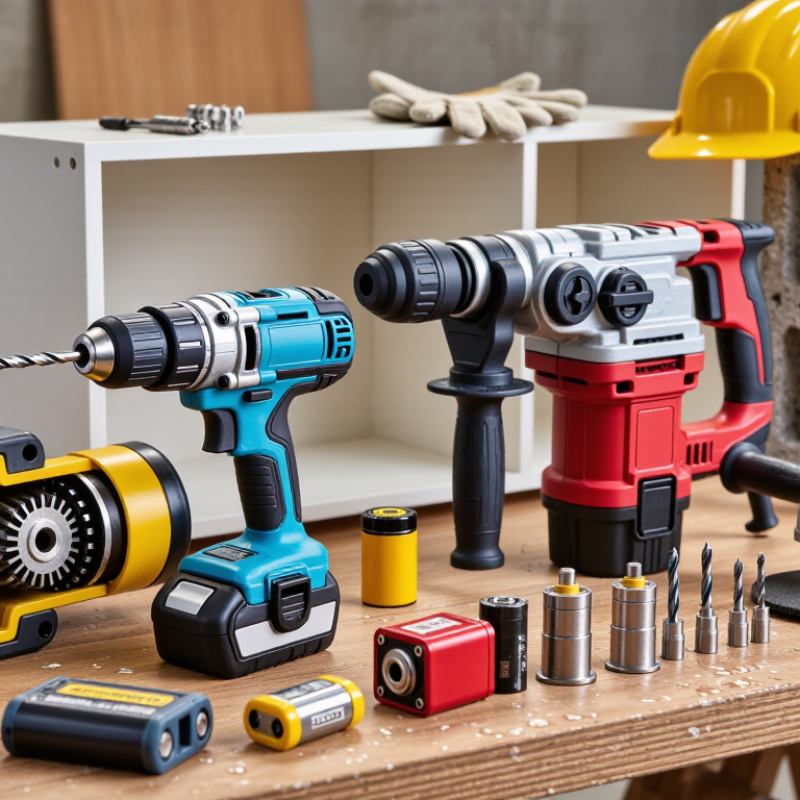
Understanding each power tool’s main application prevents costly and unsafe choices. A drill-driver suits wood, plastic, and light metal, especially when controlled speed matters. An impact driver delivers stronger rotational force for long screws and structural fasteners. For masonry, a rotary hammer is more suitable because its hammering action penetrates concrete efficiently. Circular saws handle straight cuts, while angle grinders remove rust, cut metal, and smooth welds. An oscillating multi-tool reaches corners where larger equipment cannot.
Market data also reveals growing demand for portable equipment. Fortune Business Insights estimated the global power tools market at about 36.18 billion US dollars in 2023. It projects the market to reach approximately 49.64 billion dollars by 2032. This growth reflects wider use in construction, maintenance, renovation, and home workshops. However, market growth does not make every tool necessary. In practical testing, users often choose excessive power and ignore balance, vibration, and duty cycle. A higher torque number is not automatically better. It can damage soft materials or cause wrist fatigue. Battery voltage, chuck capacity, speed control, dust protection, and replacement-part availability deserve equal attention. I still overbuy sometimes. That remains a useful warning. Match the tool to the material, working space, and daily workload, then check safety guidance from recognized occupational health authorities before operation.
| Power Tool Type | Main Applications | Common Materials | Typical Power or Voltage | Key Operating Features | How to Choose |
|---|---|---|---|---|---|
| Drill/Driver | Drilling holes and driving screws in general maintenance, furniture assembly, cabinetry, and light construction. | Wood, plastic, metal, and masonry when used with suitable bits and operating mode. | Cordless models commonly use 12–20 V battery systems; corded models are often approximately 500–900 W. | Variable speed, forward/reverse rotation, adjustable clutch, and usually a keyless chuck. | Choose based on required torque, chuck capacity, clutch settings, battery capacity, and tool weight. |
| Hammer Drill | Drilling holes in brick, block, concrete, and other masonry while also handling normal drilling tasks. | Masonry, concrete, wood, metal, and plastic with the correct bit and mode. | Cordless models commonly use 18–20 V systems; corded versions are often approximately 600–1,000 W. | Rotary-only and hammer-drilling modes, variable speed, and adjustable clutch on many models. | Select by maximum masonry hole diameter, impact rate, chuck type, vibration control, and duty cycle. |
| Impact Driver | Driving long screws, structural fasteners, and bolts where high rotational force is needed. | Wood, metal, and construction materials with compatible impact-rated accessories. | Most cordless models are in the 12–20 V range; torque commonly varies widely from approximately 100–250 N·m. | High torque, short hexagonal bit holder, compact body, and impact mechanism that reduces reaction force. | Check torque control, speed settings, bit-holder quality, noise level, and compatibility with impact-rated bits. |
| Circular Saw | Fast, straight cuts in sheet goods, boards, flooring, framing lumber, and other large workpieces. | Softwood, hardwood, plywood, MDF, plastics, and metal with the appropriate blade. | Corded models are commonly approximately 1,000–2,000 W; cordless models often use 18–36 V systems. | Rotating toothed blade, adjustable cutting depth, bevel adjustment, and a base plate for guidance. | Compare blade diameter, maximum cutting depth, bevel range, guide compatibility, braking, and dust extraction. |
| Reciprocating Saw | Demolition, flush cutting, pruning, pipe cutting, and rough cuts in locations where access is limited. | Wood, metal, plastic, drywall, composite materials, and tree branches with suitable blades. | Corded models are often approximately 700–1,500 W; cordless versions commonly use 18–36 V systems. | Back-and-forth blade stroke, variable speed, adjustable shoe, and tool-free blade changes on many models. | Consider stroke length, strokes per minute, vibration control, shoe adjustment, and blade availability. |
| Jigsaw | Curved, straight, interior, and cut-out work in panels, countertops, flooring, and craft projects. | Wood, plywood, MDF, plastic, laminate, and thin metal with the correct blade. | Corded models are commonly approximately 400–800 W; cordless models often use 12–20 V systems. | Narrow reciprocating blade, variable speed, bevel adjustment, and optional pendulum/orbital action. | Check cutting depth, blade-change system, line-of-sight, orbital settings, and low-vibration performance. |
| Angle Grinder | Cutting, grinding, deburring, sharpening, surface preparation, and rust removal. | Steel, stainless steel, masonry, concrete, stone, and tile with compatible discs. | Corded models are commonly approximately 700–2,200 W; cordless versions often use 18–36 V systems. | High-speed abrasive disc, spindle lock, protective guard, and side handle; some models offer variable speed. | Select disc diameter, rated speed, overload protection, guard adjustment, handle position, and dust control. |
| Rotary Hammer | Heavy-duty drilling and chiseling in concrete, masonry, foundations, and installation work. | Concrete, reinforced concrete, brick, block, and stone. | Corded models are commonly approximately 800–1,500 W; cordless versions often use 18–36 V systems. | Pneumatic impact mechanism, rotary and hammer modes, SDS-type bit systems, and higher impact energy than a hammer drill. | Compare impact energy, maximum concrete diameter, drilling modes, vibration reduction, and bit system. |
| Oscillating Multi-Tool | Flush cutting, plunge cutting, grout removal, sanding, scraping, and detail work. | Wood, plastic, drywall, grout, adhesive, and thin metal with the appropriate attachment. | Corded models are commonly approximately 200–500 W; cordless versions often use 12–20 V systems. | Small-angle oscillation, variable speed, compact access, and interchangeable cutting, sanding, and scraping accessories. | Check oscillation angle, speed range, accessory interface, ergonomics, and dust-extraction options. |
| Router | Edge profiling, grooving, trimming, joinery, inlay work, and decorative woodworking. | Softwood, hardwood, plywood, MDF, and plastic laminate with suitable router bits. | Corded models are commonly approximately 600–2,000 W; compact cordless versions often use 12–20 V systems. | High-speed collet spindle, adjustable depth, edge guide compatibility, and variable-speed control on many models. | Choose by collet size, plunge or fixed-base design, speed control, depth adjustment, and dust extraction. |
China Best Power Tools: How to Choose the Right One?
Power and performance should be measured, not guessed. Grand View Research estimated the global power tools market at about USD 41.9 billion in 2023, with continued growth expected through 2030. This expansion brings more choices, but also more confusing specifications. Check torque, speed range, and rated power together. High torque helps with dense timber and masonry. Higher speed improves cutting and drilling efficiency. One number never tells the whole story.
Battery tools need closer inspection. The battery voltage shows potential output, while ampere-hours indicate expected runtime. A 4.0 Ah battery may last longer, but it can also add noticeable weight during overhead work. The International Energy Agency reported that global battery demand exceeded 750 GWh in 2023, showing how quickly cordless technology is developing. Still, newer does not always mean better. Test balance, trigger control, charging time, and heat after repeated use. Small details matter.
Technical safety features deserve equal attention. OSHA requires guarding for many portable power tools used in workplaces, while manufacturers should provide clear protective instructions. Look for overload protection, electronic braking, secure chucks, and vibration control. A tool producing 100 decibels can feel harsh after several minutes, even with hearing protection. I have found that claimed performance often drops under real load. That is the part buyers forget. Examine independent test data, service support, spare-part access, and warranty terms before choosing a tool for demanding work.
Choosing the right power tool from China requires more than comparing prices. Grand View Research estimated the global power tools market at about US$39 billion in 2023. That growth increases supplier choices, but quality still varies between factories and product lines. Examine the tool’s test records, not only its appearance. A reliable cordless drill should show stable torque, controlled heat, and consistent battery performance after repeated cycles. Look for testing against IEC 62841, the international safety standard for handheld motor-operated tools. Battery packs should also provide evidence of IEC 62133-2 compliance. These documents matter more than attractive packaging.
Check whether an independent laboratory issued the reports under ISO/IEC 17025 accreditation. ISO 9001 can indicate controlled production, but it does not prove long-term durability. Ask for drop tests, switch-cycle results, overload protection data, and charger temperature readings. Spare parts are equally important. A tool with replaceable brushes, batteries, and switches may serve longer than a cheaper sealed model. Small detail. Very practical.
In supplier comparisons, inspect three identical units from different production batches. Measure noise, vibration, chuck runout, and battery charging time. Differences may reveal weak process control. I would also request a sample before placing a large order. A polished test sheet can still miss failures after months of dust and impact. That is the uncomfortable part. Reliability claims need field evidence, warranty records, and clear failure analysis. Price helps, but it should never replace verification.
A practical comparison framework for evaluating Chinese power tools without relying on brand names. The recommended weighting emphasizes compliance evidence, safety, durability, after-sales support, and value.
Suggested buyer weighting: verify relevant IEC 62841 safety requirements, EMC documentation, RoHS compliance where applicable, product test reports, warranty terms, spare-parts availability, and real operating performance. These percentages are a neutral purchasing model, not manufacturer or brand ratings.
Choosing the right power tool starts with the work, not the country of origin or a flashy specification. A drill for occasional shelf installation needs different performance from one used daily on a construction site. I usually examine the material, hole size, operating time, and required torque before comparing models. Concrete, hardwood, and thin metal each demand different power levels. Write down the real task.
Usage frequency changes the decision. For weekend repairs, a compact cordless tool may offer enough power and easier storage. Frequent users should consider motor durability, battery replacement cost, charging time, and comfortable grip design. A tool that feels heavy after ten minutes may become frustrating after several hours. Test the balance if possible. Small details matter.
Budget should include accessories, maintenance, and protective equipment. A lower purchase price can become expensive when batteries, bits, or repairs are added later. Check clear technical specifications, warranty terms, and available service support. Reliable sellers should explain rated power honestly, rather than promising unrealistic performance. I once chose a tool mainly for its low price and ignored vibration; that mistake reduced my working time. I still consider price important, but not alone. Sometimes buying less power is wasteful. Sometimes buying more is unnecessary. The right choice fits the job, your hands, and how often you will use it.
When comparing power tools from China, safety deserves more attention than appearance or price. Check for a secure blade or wheel guard, a clear lock-off switch, and comfortable two-hand control. Thermal overload protection can reduce motor damage during demanding work. For corded tools, inspect the plug, cable, and insulation carefully. Battery tools should have stable connections and protection against overheating or overcharging. Small details matter.
Warranty support reveals how seriously a supplier stands behind its products. Read the exact coverage period, repair conditions, and excluded parts before purchasing. Confirm whether local service centers handle repairs and whether replacement components remain available.
Keep the invoice, product label, and serial information. Without them, a valid warranty may become difficult to use. That is frustrating.
Long-term value includes performance, maintenance, and downtime. A tool that costs less may need earlier repairs or consume batteries quickly. In workshop use, smooth power delivery and low vibration can reduce fatigue during repeated tasks. I once focused too heavily on purchase price and overlooked spare-part access. That decision was not efficient. Check reviews from professional users, but question vague praise and unsupported claims. A careful comparison of safety design, warranty response, and expected service life usually gives a clearer picture than a quick discount.
A drill-driver fits these materials, especially when controlled speed matters. Choose a suitable bit and avoid excessive pressure.
Use an impact driver for long screws and structural fasteners. It provides stronger rotational force. More force is not always better.
A rotary hammer is more suitable for concrete and masonry. Its hammering action penetrates hard surfaces efficiently. Wear proper protection.
A circular saw handles straight cuts in suitable materials. Support the workpiece securely and keep the cutting path clear.
An angle grinder can remove rust, cut metal, and smooth welds. Sparks and fragments require eye, face, and hearing protection.
It reaches tight corners where larger equipment cannot. It suits detailed cutting, trimming, and small repair tasks.
No. Excessive torque can damage soft materials and increase wrist fatigue. Match power with the material and fastener.
Include batteries, bits, maintenance, protective equipment, and possible repairs. A cheap tool can become expensive later. Check twice.
A compact cordless tool may suit weekend repairs and simple shelf installation. Consider battery life, charging time, and storage space.
Examine motor durability, battery replacement cost, grip comfort, balance, and vibration. A heavy tool may feel manageable initially, then become tiring. I sometimes overbuy. That is worth remembering.
Choosing the best power tool starts with understanding the different types available and matching each one to its main application. Whether you need a drill, saw, grinder, or impact tool, consider the required power, speed, torque, battery capacity, ergonomics, and durability. Learning how to choose the right power tools for a project means evaluating the materials, workload, workspace, and expected usage frequency before making a decision.
When comparing tools from Chinese manufacturers, pay attention to quality control, recognized safety standards, testing certifications, and user feedback rather than focusing only on price. A suitable tool should balance performance, reliability, and budget while offering practical safety features such as overload protection, secure controls, and comfortable handling. Warranty coverage, replacement parts, technical support, and long-term operating costs are also important factors. By considering these elements carefully, users can select dependable power tools that deliver consistent results and lasting value for both professional and home projects.