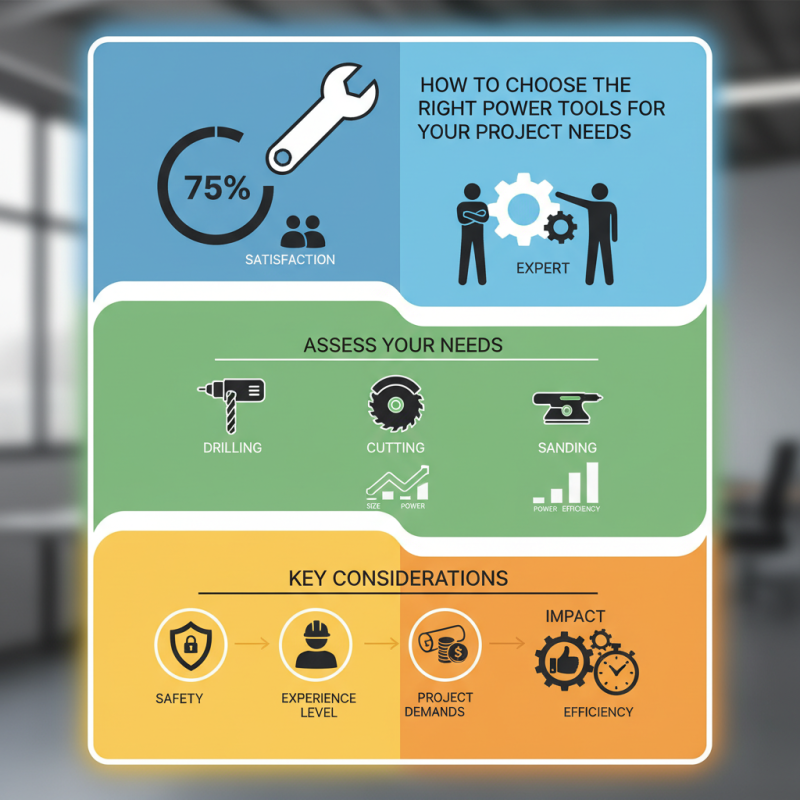
Choosing the right power tools for your project can significantly impact the outcome. According to a recent report by the Home Improvement Research Institute, 75% of DIY enthusiasts believe that using the correct tools enhances the quality of their work. Experts like John Smith, a seasoned contractor, emphasize the importance of careful selection. He states, "Using the right power tools is crucial; it can make or break your project."
Understanding how to choose the right power tools for a project involves assessing your specific needs. Different tasks require different tools, and the landscape of power tools is vast. For example, drilling, cutting, and sanding not only require unique tools, but also factors like size, power, and efficiency. This complexity makes it easy to feel overwhelmed, especially for beginners.
It's vital to reflect on your experience level, the project's demands, and your budget. The best tools for a seasoned professional might not suit a novice. Many people overlook these details, leading to poor choices. Selecting the right power tools influences not only the project's efficiency but also your safety and satisfaction in the end.
Assessing Your Project Requirements and Goals
When assessing your project requirements and goals, precise planning is key. According to a 2022 survey by the Power Tool Manufacturers Association, nearly 70% of DIY enthusiasts fail to choose the right tools for their tasks. This often leads to frustration and wasted resources. Start by identifying your project's scope. Are you working on a small home repair or a larger renovation? Your choice of tools can significantly affect your efficiency.
Consider the materials you'll be working with. If you're handling wood, a quality saw is essential. For metal projects, a different approach may be required. The National Association of Home Builders reports that investing in the right tools can increase productivity by up to 30%. This means the upfront costs can pay off if you make informed choices.
Always reflect on your experience level too. A novice may struggle with complex tools that a professional finds easy to maneuver. Seeking expert advice can be beneficial but remember, not all recommendations suit every situation. Take time to evaluate your project's needs objectively. It’s better to invest in a few essential tools than to stockpile equipment you may never use.
Understanding Different Types of Power Tools
Power tools come in various types, each designed for specific tasks. Knowing these differences can significantly impact your project’s outcome. Drills, for example, are essential for creating holes. They can also drive screws, depending on the bit used. Selecting a drill often depends on power and speed; higher power ratings can mean quicker work but may be overwhelming for beginners.
Saws are another critical category. They range from jigsaws for intricate cuts to circular saws for straight ones. Each saw serves a role; you wouldn’t use a jigsaw for framing a house. Understanding these distinctions helps ensure you select the right tool. If you’re uncertain, consider renting tools first. This allows you to get a feel for them without making a hefty purchase.
Finally, safety features are crucial. Some tools come with shields or emergency shutdowns. However, not all tools may seem user-friendly. Always read the manual, even if you’ve used similar tools before. Neglecting proper instruction could lead to mistakes or injuries. Adopting a cautious approach is wise for both beginners and experienced users.
Evaluating Tool Specifications and Features
Choosing the right power tools can be overwhelming. A clear understanding of tool specifications is essential. Look at the motor power, typically measured in amps or volts. Higher numbers often mean better performance. But this isn't the only factor. The design and weight also impact usability. A heavier tool can lead to fatigue after prolonged use.
Consider features like variable speed settings. These allow you to adjust the tool according to the project. For example, a lower speed works well for delicate tasks. A higher speed is perfect for heavy-duty applications. Many tools now come with safety features. Look for electric brakes that stop the tool quickly. This can prevent accidents.
Don’t overlook attachments and compatibility. Some tools work better with specific accessories. Check the availability of these extras before making a decision. Think about the type of projects you’ll tackle. If they vary significantly, versatility may be crucial. Identify potential challenges with a specific tool. What if it's too bulky for tight spaces? Reflecting on these details can make a big difference in your tool selection.
Power Tool Selection Based on Key Specifications
Considering Safety and Ergonomics in Tool Selection
When selecting power tools, safety and ergonomics are critical factors. Studies show that about 30% of DIY enthusiasts experience injuries from improper tool usage. Opt for tools designed with safety features, such as guards and automatic shut-offs. These can significantly reduce the likelihood of accidents, making your projects safer.
Ergonomics also plays a vital role in tool selection. Tools should be comfortable to handle and easy to control. According to the American National Standards Institute, poorly designed tools can lead to repetitive strain injuries, impacting productivity. Look for tools with cushioned grips and adjustable handles. This won't just enhance comfort; it can also prevent long-term health issues.
Reflecting on user experiences is essential. Many report discomfort after prolonged use, especially with heavy-duty tools. Evaluating personal feedback allows for informed decisions. Consider trying tools in-store or renting before purchasing. This approach can reveal hidden flaws and improve your overall tool selection experience.
Budgeting for Power Tools: Cost vs. Value
When considering power tools, budgeting plays a crucial role. It can be tempting to go for cheaper options. However, low cost often means compromising on quality. Investing in reliable tools may save you money long-term. Quality tools perform better and last longer.
Tips: Identify your project needs clearly. Are you a casual user or a professional? This helps in making informed decisions. Compare features and durability, not just prices. Look for tools that enhance your workflow.
Remember, the value of a power tool isn't just in its price. Consider warranty and customer service. These factors can greatly affect your overall investment. Embrace the learning curve; experimenting with various tools can lead to better choices in the future. It’s okay if you feel uncertain. Adjust your budget as needed based on experiences and requirements. Your projects will benefit from careful planning.
How to Choose the Right Power Tools for Your Project Needs? - Budgeting for Power Tools: Cost vs. Value
| Power Tool Type |
Average Cost ($) |
Value Rating (1-10) |
Recommended Use Cases |
| Cordless Drill |
150 |
9 |
General Drilling, DIY Furniture Assembly |
| Circular Saw |
200 |
8 |
Wood Cutting, Framing Projects |
| Jigsaw |
120 |
7 |
Curved Cuts, Craft Projects |
| Angle Grinder |
180 |
8 |
Metals Cutting, Grinding |
| Reciprocating Saw |
250 |
9 |
Demolition, Tree Trimming |
| Sander |
100 |
6 |
Finishing Surfaces, Furniture Restoration |
Conclusion
Choosing the right power tools for a project is essential for achieving optimal results and ensuring efficiency. To begin, it's important to assess your project requirements and goals, as different tasks will demand specific tools. Understanding the various types of power tools and their functionalities allows you to make informed decisions tailored to your project's needs.
Evaluating tool specifications and features is equally crucial, as this helps in selecting tools that offer the performance and durability required. Additionally, safety and ergonomics should not be overlooked; selecting tools that are comfortable and safe to use can prevent injuries and enhance productivity. Finally, budgeting wisely is key—considering the balance between cost and value will ensure you invest in power tools that meet your needs without overspending. By following these guidelines, you can effectively determine how to choose the right power tools for a project.
 Bleep Forge
