China Top 10 How Are Professional Power Tools Manufactured?

Time:2026-09-23 Author:Oliver
0%

Understanding how are professional power tools manufactured requires more than viewing polished products on a store shelf. In China, leading manufacturers combine engineering design, automated production, skilled assembly, and strict quality control. This process begins with practical requirements from electricians, builders, mechanics, and industrial maintenance teams. Their feedback influences motor performance, housing strength, battery capacity, vibration control, and ergonomic balance.

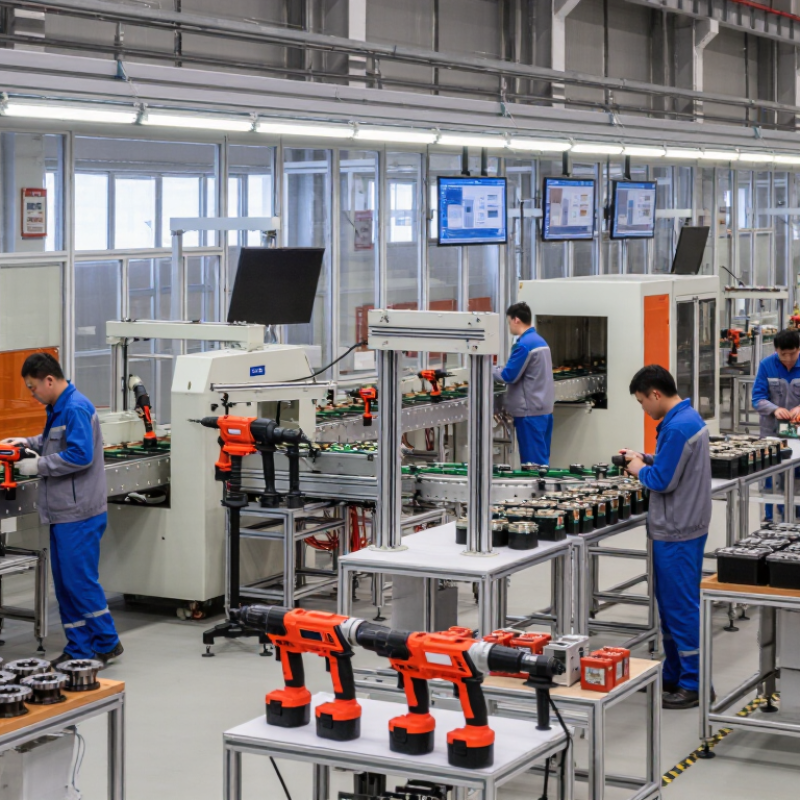
Materials are inspected before production begins. Steel gears are machined to precise dimensions, while reinforced plastics form durable housings and protective covers. Copper windings, bearings, switches, chargers, and electronic controllers must meet documented specifications. On a modern assembly line, workers and machines cooperate. Automated stations tighten screws consistently, while trained technicians inspect wiring, torque, insulation, and alignment. Sample tools may undergo overload tests, drop tests, temperature checks, and repeated operating cycles.

The details matter. A small bearing defect can create unusual noise or reduce service life. A poorly fitted battery contact can interrupt operation. Reliable factories record test results and trace components through batch numbers. Independent certifications and factory audits can provide additional confidence, although certification alone does not guarantee perfect performance. Manufacturing methods also differ among companies, product categories, and price levels. That variation deserves careful attention. This article examines ten prominent Chinese power tool manufacturers and explains their production strengths, quality practices, technologies, and possible limitations. The goal is not to promote every brand equally, but to offer a practical, evidence-based view for buyers seeking dependable professional equipment. Real workshops remain the best test.

China Top 10 How Are Professional Power Tools Manufactured?

China’s Top 10 Professional Power Tools: Market Scope and IEC 62841 Standards

China’s professional power tool market covers a broad manufacturing network, from motor assembly to battery management. The leading ten categories include drills, impact drivers, screwdrivers, rotary hammers, grinders, circular saws, reciprocating saws, jigsaws, sanders, and planers. These tools serve construction, furniture production, metalworking, installation, and facility maintenance.

Market scope depends on application, duty cycle, and power source. Cordless tools are expanding because job sites need mobility and fewer cables. Corded models still matter for continuous cutting and grinding. During production, engineers check motor temperature, switch durability, vibration, noise, and overload protection. IEC 62841 provides key safety requirements for hand-held and transportable motor-operated electric tools. Manufacturers normally apply IEC 62841-1 with the relevant product-specific part. Testing should cover abnormal operation, mechanical strength, insulation, guards, and battery-related risks.

Details matter. A grinder’s guard must remain secure after repeated adjustment. A drill’s chuck should hold a bit without excessive runout. Production records should link components to inspection results. Independent laboratory testing can strengthen reliability, but a test report does not replace complete technical control. The “top ten” list is useful, yet it is not a fixed ranking. Demand changes by region and project type. Some catalog claims also sound stronger than the evidence. Careful buyers should review test scope, production consistency, and after-sales traceability before judging manufacturing quality.

China Top 10 How Are Professional Power Tools Manufactured? - China’s Top 10 Professional Power Tools: Market Scope and IEC 62841 Standards

Rank Professional Tool Category Primary Market Scope Typical Power or Battery Configuration Common Housing and Component Materials Main Manufacturing Processes Applicable IEC 62841 Reference Typical Production and Safety Tests
1 Cordless Drill/Drivers and Impact Drills Construction, electrical installation, furniture assembly, maintenance and general industrial fastening. 12 V, 18 V nominal or 36 V lithium-ion battery systems; corded versions commonly range from approximately 500 W to 1,000 W. Glass-fiber-reinforced polyamide housing, hardened steel gears, copper windings, permanent magnets and elastomer overmoldings. Plastic injection molding, gear hobbing, heat treatment, rotor balancing, motor assembly, torque calibration and end-of-line functional testing. IEC 62841-1; IEC 62841-2-1 for hand-held drills and impact drills. No-load speed, stall torque, chuck retention, switch endurance, insulation resistance, dielectric strength, temperature rise, drop and abnormal-operation tests.
2 Cordless and Corded Impact Wrenches Automotive repair, heavy-equipment service, steel fabrication, construction and industrial maintenance. 18 V nominal battery systems are common; high-torque professional models may use 36 V systems; corded models are often approximately 600 W to 1,200 W. Reinforced polymer housing, forged alloy-steel anvil, hardened impact mechanism, steel planetary gears and copper motor windings. CNC machining, forging, carburizing or other gear heat treatment, impact-mechanism balancing, bearing installation and torque-control calibration. IEC 62841-1; IEC 62841-2-2 for hand-held screwdrivers and impact wrenches. Torque repeatability, impact endurance, anvil fatigue, spindle runout, vibration, braking response, battery protection, insulation and thermal tests.
3 Angle Grinders Metal fabrication, welding preparation, masonry, construction, shipbuilding and surface finishing. Common corded ratings are approximately 700 W to 2,600 W; cordless models commonly use 18 V or 36 V battery systems. Impact-resistant polyamide housing, aluminum or magnesium gear housing, hardened steel gears, copper windings and composite guards. Die casting, CNC gear machining, armature balancing, spindle assembly, guard installation, vibration optimization and abrasive-wheel compatibility checks. IEC 62841-1; IEC 62841-2-3 for hand-held grinders and disk-type polishers. Overspeed, wheel-burst protection, spindle-lock strength, guard retention, switch endurance, vibration, temperature rise, overload and electrical safety tests.
4 Random-Orbital Sanders and Polishers Automotive refinishing, woodworking, furniture production, composite finishing and industrial surface preparation. Corded products are commonly approximately 200 W to 750 W; cordless versions generally use 18 V nominal batteries. Glass-filled polymer body, aluminum eccentric assembly, steel counterweight, elastomer grip and hook-and-loop or pressure-sensitive pad. Injection molding, precision eccentric machining, dynamic balancing, pad bonding, dust-channel assembly and speed-controller calibration. IEC 62841-1; IEC 62841-2-4 for sanders and polishers other than disk-type polishers. Orbital speed, pad balance, vibration, dust extraction, switch endurance, stall operation, temperature rise, insulation and dielectric-strength tests.
5 Circular Saws Construction framing, panel cutting, woodworking, modular building and industrial sheet-material processing. Corded professional models commonly use approximately 1,200 W to 2,200 W; cordless versions generally use 18 V or 36 V systems. Aluminum or magnesium base plate, reinforced polymer guard, hardened steel spindle, copper motor windings and carbide-tipped saw blades. Die casting, laser or CNC cutting of base components, motor assembly, spindle alignment, blade-guard installation and depth/bevel calibration. IEC 62841-1; IEC 62841-2-5 for hand-held circular saws. Guard closing time, spindle strength, blade retention, kickback-related performance, cutting load, brake function, vibration, insulation and abnormal-operation tests.
6 Rotary Hammers and Concrete Hammers Concrete drilling, anchoring, renovation, demolition, plumbing and electrical installation. Corded models commonly range from approximately 700 W to 1,500 W; cordless models commonly use 18 V or 36 V batteries. Glass-fiber-reinforced housing, aluminum gear case, hardened steel piston and gears, elastomer vibration dampers and copper windings. Precision cylinder machining, gear heat treatment, pneumatic piston assembly, impact-energy calibration, vibration-isolation assembly and lubrication control. IEC 62841-1; IEC 62841-2-6 for hand-held hammers. Impact energy, drilling rate, tool-holder retention, vibration, clutch operation, temperature rise, endurance, drop, insulation and dielectric-strength tests.
7 Reciprocating Saws Demolition, pipe cutting, HVAC installation, construction, emergency rescue and general maintenance. Corded versions are commonly approximately 700 W to 1,500 W; cordless versions generally use 18 V or 36 V battery systems. Reinforced polymer housing, die-cast gear case, hardened steel crank and guide components, elastomer grip and bi-metal or carbide blades. Injection molding, crankshaft machining, gear assembly, blade-clamp installation, counterweight balancing and variable-speed controller calibration. IEC 62841-1; IEC 62841-2-11 for hand-held reciprocating saws. Stroke rate, blade-clamp strength, cutting endurance, vibration, trigger endurance, stall protection, temperature rise, drop and electrical safety tests.
8 Electric Planers Carpentry, door fitting, furniture manufacturing, timber construction and renovation work. Corded professional units commonly use approximately 600 W to 1,000 W; cordless models commonly use 18 V or 36 V batteries. Aluminum sole plate, reinforced polymer body, hardened steel cutter drum, carbide blades and rubberized adjustment components. Aluminum die casting, cutter-drum machining, dynamic balancing, sole-plate flatness control, blade alignment and depth-adjustment assembly. IEC 62841-1; IEC 62841-2-14 for hand-held planers. Cutter balance, cutting depth, blade retention, sole-plate flatness, no-load speed, vibration, noise, overload, temperature rise and electrical safety tests.
9 Electric Shears and Nibblers Sheet-metal fabrication, roofing, ductwork, automotive bodywork and industrial panel cutting. Corded products commonly range from approximately 300 W to 800 W; cordless models typically use 18 V nominal battery systems. Reinforced polymer housing, aluminum gear housing, hardened tool steel punches and dies, steel gears and copper motor windings. Die casting, precision tool-steel grinding, punch-and-die alignment, gear machining, motor assembly and cutting-clearance adjustment. IEC 62841-1; IEC 62841-2-8 for hand-held shears and nibblers. Cutting capacity, punch wear, die alignment, switch endurance, vibration, sharp-edge protection, temperature rise, insulation and abnormal-operation tests.
10 Hand-Held Electric Mixers Mortar, tile adhesive, plaster, paint, grout, construction chemicals and industrial material mixing. Professional corded models commonly use approximately 1,000 W to 2,000 W; battery-operated versions are available in higher-voltage platforms. Reinforced polymer housing, aluminum gear case, steel spindle and mixing paddle, copper windings and elastomer grip components. Injection molding, die casting, spindle machining, gearbox assembly, paddle-thread inspection, speed-control calibration and load testing. IEC 62841-1; IEC 62841-2-10 for hand-held mixers. Mixing-load endurance, spindle torque, speed stability, paddle retention, overload protection, temperature rise, switch endurance and electrical safety tests.
Technical note: The ranking represents commonly manufactured and widely used professional tool categories in China’s domestic construction, manufacturing and export markets. Power ranges and material selections are representative industry configurations rather than fixed specifications. IEC 62841-1 provides general safety requirements, while the applicable Part 2 standard depends on the specific tool type and product design. Certification, marking and national deviations may vary by destination market.

Engineering Design: 18–24 V Batteries, Brushless Motors, and Torque Targets

China’s professional power-tool design starts with a practical question: how much work must one charge deliver? An 18 V, 4 Ah battery stores about 72 Wh, while a 24 V, 4 Ah pack stores about 96 Wh. Higher voltage can reduce current for the same power, lowering cable and connector losses. It also adds weight and cost. BloombergNEF’s 2024 Battery Price Survey reported an average lithium-ion pack price of 115 US dollars per kWh, although tool packs usually cost more because of protection electronics and rugged housings.

Brushless motors suit demanding tools because electronic commutation reduces brush wear. Engineers still need to control heat, vibration, and current spikes. A torque target is not one fixed number. It depends on speed, gearbox ratio, bit size, and material resistance. During testing, a controller may allow short peak torque, then reduce current before the winding temperature becomes unsafe. IEC 62841-1 provides a recognized safety framework for hand-held motor-operated tools. The real design evidence comes from repeated load tests, not a single showroom measurement. A useful prototype should survive stalled starts, dusty switches, and cold batteries. Small failures matter.

The imperfect part is battery estimation. Claimed runtime often assumes light loading. Field operators rarely work that gently. A reliable design should measure torque, temperature, and voltage under realistic duty cycles, then leave a clear safety margin.

Material Selection: HRC 58–62 Gears and ISO 12100 Safety Requirements

China Top 10 How Are Professional Power Tools Manufactured?

Professional power tools begin with steel selected for load, heat, and repeated impact. Gear teeth commonly reach HRC 58–62 after carburizing and controlled heat treatment. This hardness improves wear resistance during long drilling or grinding cycles. However, excessive hardness may increase brittleness. The gear core must remain tough enough to absorb sudden torque changes.

Technicians inspect hardness at several tooth locations, not just on a flat surface. They also check tooth profile, runout, backlash, and surface cracks. A gear can meet HRC requirements and still produce noise if alignment is poor. During testing, engineers apply controlled torque and monitor temperature, vibration, and sound. Small errors become obvious under load. Material certificates and inspection records support traceability, although paperwork alone cannot replace physical testing.

ISO 12100 guides the safety process through hazard identification, risk estimation, and risk reduction. Designers examine rotating parts, unexpected starts, hot surfaces, and broken gear fragments. Guards, insulated housings, trigger controls, and overload protection should address practical risks. A safe design also considers maintenance, assembly mistakes, and awkward user positions. Sometimes a tool passes a laboratory test but feels unstable in a worker’s hand. That gap deserves review, not dismissal. Safety decisions should be documented, tested, and reconsidered when field feedback reveals weaknesses.

China Top 10: How Are Professional Power Tools Manufactured?

Material Selection: HRC 58–62 Gears and ISO 12100 Safety Requirements

Professional power-tool gears commonly use hardened alloy steel to improve wear resistance and tooth durability. The specified gear hardness range shown here is HRC 58–62, where HRC means Rockwell Hardness Scale C.

ISO 12100 does not define a gear-hardness value. It provides a machinery safety methodology based on risk assessment and risk reduction, including inherently safe design, safeguarding, and information for use.

Assembly Lines: CNC Accuracy, Torque Control, and 100% Electrical Testing

Professional power tools are built through controlled assembly, not simple fastening. CNC machines cut housings, gears, and shafts within specified tolerances. Operators inspect critical dimensions with calibrated gauges. Small deviations can create vibration, noise, or premature wear.

Torque control becomes critical during assembly. Electric nutrunners record tightening angle, torque, and cycle time for each key joint. A digital trace links that result to the tool’s serial number. According to the International Federation of Robotics’ World Robotics 2024 report, 4.28 million industrial robots operated worldwide in 2023, showing how automation supports repeatable production. Yet automation is not flawless. A damaged socket or drifting sensor can produce false confidence.

Electrical testing covers every finished unit. Technicians check insulation resistance, grounding continuity, dielectric strength, switch response, and no-load current. These checks align with safety principles in IEC 62841 for motor-operated hand-held tools. A failed result stops the unit before packing. No shortcuts. Production teams also compare test data across shifts, because temperature and component variation can influence readings. In practice, 100% testing improves traceability, but it does not replace design reviews or skilled inspection. The uncomfortable truth is simple: a clean test record can still hide an assembly mistake. Clear work instructions, calibrated instruments, and regular process audits remain essential.

Quality Certification: IEC 62841, ISO 9001, CE Marking, and Factory Audits

China’s leading professional power-tool factories do not treat certification as a logo exercise. On the production line, technicians record torque, insulation resistance, vibration, and thermal-rise results. IEC 62841 is central. Its safety requirements cover many hand-held and transportable electric tools, including mechanical and electrical risks. Test records should match the exact model, rated voltage, battery system, and intended use.

ISO 9001 strengthens the factory’s quality system. The ISO Survey 2023 reported 1,265,216 valid ISO 9001 certificates across 189 countries and economies. This broad adoption shows its importance, but certification alone cannot guarantee every shipment. Auditors should examine incoming components, calibration labels, traceability codes, corrective-action records, and final inspection samples. A loose terminal found during an audit matters more than a clean reception room.

CE marking requires a manufacturer’s declaration of conformity for applicable European Union requirements. It is not a universal safety certificate, and no single authority automatically approves every product. Reliable factories maintain technical files, risk assessments, test reports, and production controls. Independent factory audits add practical evidence through witness testing and random sample checks. Still, audits are snapshots. Seasonal workers, rushed production, or substituted components can weaken control. That gap deserves honest review.

FAQS

What types of professional power tools are widely produced in China?

Common categories include drills, impact drivers, screwdrivers, grinders, and rotary hammers. Saws, sanders, and planers are also widely produced. Demand changes by project and region.

Why are cordless power tools becoming more popular?

Cordless tools improve movement on busy job sites. They remove long cables from floors and scaffolding. An 18 V, 4 Ah battery stores about 72 Wh. A 24 V, 4 Ah pack stores about 96 Wh.

Do higher-voltage batteries always provide better performance?

Not always. Higher voltage can reduce current and cable losses. However, it may increase weight, cost, and handling fatigue. Real performance depends on load, temperature, and duty cycle.

What advantages do brushless motors offer?

Brushless motors reduce brush wear through electronic commutation. They can suit demanding drilling, cutting, and grinding tasks. Engineers must still control heat, vibration, and sudden current spikes. Small failures matter.

How should battery runtime claims be evaluated?

Runtime claims often use light loading conditions. Actual workers may drill dense wood or cut metal repeatedly. Test battery life under realistic torque, temperature, and voltage conditions. The estimate may still be imperfect.

What does IEC 62841 help evaluate?

IEC 62841 provides safety requirements for many hand-held electric tools. Testing can examine abnormal operation, insulation, guards, and mechanical strength. Battery-related risks may also require attention. A single showroom test is not enough.

Does a quality certification guarantee every shipment is reliable?

No certification guarantees every individual shipment. A strong factory system should track components, inspections, and corrective actions. Auditors may check calibration labels, terminal connections, and final samples. A clean reception room proves little.

What should buyers review before judging manufacturing quality?

Buyers should review test scope, production consistency, and after-sales traceability. Records should connect each component batch with inspection results. Independent laboratory testing can add useful evidence. It does not replace daily technical control.

Conclusion

This overview explains how are professional power tools manufactured, focusing on the processes behind China’s top 10 professional tool categories and their market scope. Production begins with engineering decisions such as selecting 18–24 V battery systems, brushless motors, and torque targets suited to drilling, fastening, cutting, and grinding applications. Designers also consider durability, user safety, ergonomics, and compliance with IEC 62841 requirements.

Material selection is equally important, with hardened gears reaching approximately HRC 58–62 and safety principles aligned with ISO 12100. On modern assembly lines, CNC machining supports accurate component production, while controlled fastening systems help maintain consistent torque. Each unit undergoes comprehensive electrical and functional testing before shipment. Quality assurance commonly includes IEC 62841 evaluation, ISO 9001-based production management, CE marking procedures, and factory audits. Together, these steps create reliable, safe, and consistent professional power tools for demanding industrial and construction environments.

Oliver

Oliver

Oliver is a seasoned marketing professional with a wealth of expertise in driving brand awareness and engagement. With a deep understanding of our company's product offerings, he consistently delivers high-quality content that enriches our professional blog. His insights not only shed light on......