Bleep Forge
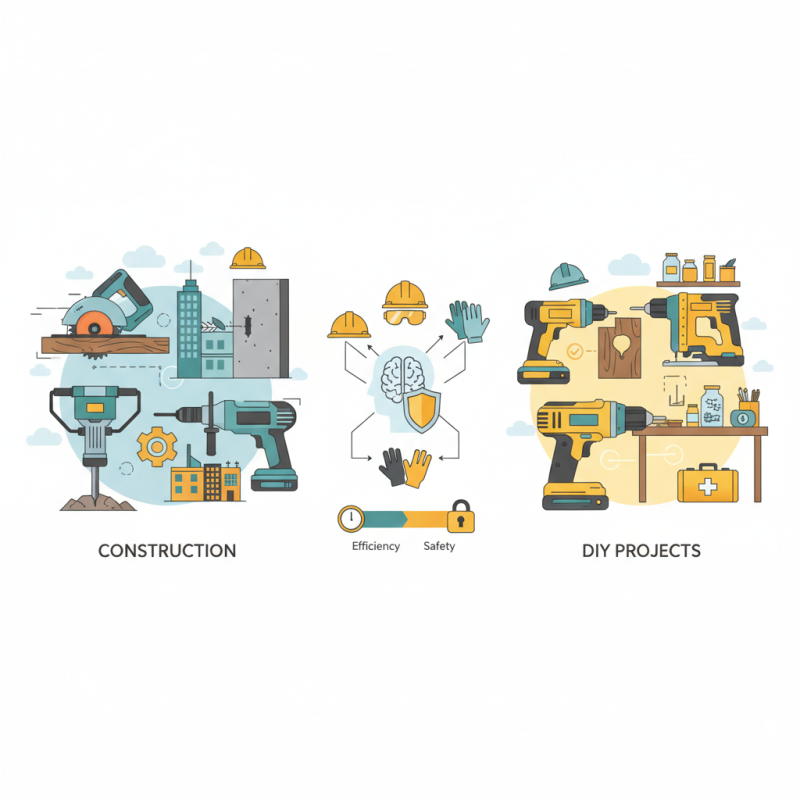
In the world of construction and DIY projects, understanding "what are power tools used for" is essential. Power tools revolutionize the way we approach tasks, making them quicker and more efficient. They help both professionals and hobbyists achieve precise results with ease. For example, drills create holes effortlessly, while saws cut through various materials cleanly.
However, it's crucial to note that using power tools comes with responsibilities. Proper training and safety precautions are necessary to avoid accidents. Many individuals underestimate the power and potential risks associated with tools. Familiarity with their functions and limitations is vital for effective use.
While power tools offer immense benefits, they also demand respect and caution. Recognizing when to rely on them and when to use manual techniques is a skill that develops over time. Balancing efficiency with safety will ensure a successful project outcome. Understanding "what are power tools used for" can empower users to make informed choices and work effectively.
Power tools are essential in both construction and DIY projects. They are categorized into different types based on their functions. Understanding these categories can enhance efficiency and precision in tasks. Drills, saws, and grinders form the backbone of many projects. According to a report by the National Association of Home Builders, about 65% of homeowners use power tools for improvement projects.
Drills, for instance, are versatile. They can create holes or drive screws with ease. Cordless drills are particularly popular among DIY enthusiasts because of their portability. Saws, such as circular and jigsaws, are vital for cutting materials like wood and metal. A study published in “Construction Management” highlighted that improper use of saws led to over 5,000 injuries in a year. Therefore, safety measures and proper usage training are crucial.
Grinders serve different purposes, from smoothing surfaces to cutting tough materials. However, many underestimate the risks involved. A report revealed that nearly 30% of amateur DIYers have experienced injuries while using power grinders. Understanding the tools and using them correctly can prevent accidents and enhance project outcomes. Explore each category deeply to mitigate risks and maximize effectiveness.
Power tools play a vital role in construction and DIY projects. They increase efficiency, accuracy, and safety. Among common power tools, drills, saws, and sanders are especially crucial.
Drills are essential for making holes in various materials. According to industry reports, the global power tool market was valued at over $30 billion in 2020, with a significant demand for cordless drills. Saws, including circular and jigsaws, are used for cutting wood and metal efficiently. Each type has specific applications, tailored to material and task complexity.
Tips: Always wear safety gear when using power tools. Keep workspaces uncluttered to prevent accidents. Regularly check tools for wear and tear to ensure they operate safely.
Sanders offer a smooth finish to surfaces. They are crucial for preparing materials before painting or sealing. The use of electric sanders has grown, with nearly 50% of DIY enthusiasts preferring them over manual options. However, the noise and dust generated can be bothersome. Therefore, it’s essential to have a plan for minimizing disruptions.
Power tools are essential for both construction and DIY projects. For home improvement enthusiasts, these tools make tasks easier and faster. A well-equipped toolkit can dramatically enhance your efficiency. Common power tools include drills, saws, and sanders. Each serves a specific purpose, simplifying many tasks around the house.
When selecting power tools, consider the type of projects you undertake. A versatile drill can handle various tasks, from hanging shelves to installing light fixtures. Circular saws are great for precise cuts in wood, making them invaluable for building furniture or framing. A random orbit sander helps achieve that smooth finish on any wooden surface, saving time during the refinishing process.
Tip: Always read manufacturer instructions before use. Understanding your tools is crucial for safety. Remember, using the wrong tool can lead to poor results and frustration. Regular maintenance of your tools also enhances their lifespan.
Feel free to experiment with different tools, but don’t rush. Mistakes are part of the learning process. Take your time to refine your technique, and don’t hesitate to seek advice from experienced DIYers or professionals. They can provide insights that save you time and effort in your projects.
When using power tools in construction and DIY projects, safety should always come first. Workers need to wear appropriate personal protective equipment (PPE). This includes safety glasses, gloves, and ear protection. A moment of carelessness can lead to serious injuries. Always check tools before use. Inspect cords for frays and blades for damage. These small steps can prevent major accidents.
Knowing how to operate each power tool is crucial. Read the instruction manual if you’re unsure. Many accidents happen due to unfamiliarity with the tool. Take time to practice, especially with complex equipment. Use tools in well-lit areas to avoid accidents. Be aware of your surroundings too; others may be nearby.
Accidents can be avoided, but vigilance is key. Don’t rush your work. Fatigue can impair your judgment. If you feel tired, take a break. It’s also important to communicate with teammates. A simple “watch out” can save a lot of trouble. Reflect on your process after each project. Consider what went well and what didn’t. This practice helps improve safety in future endeavors.
Cordless power tools have become increasingly popular in DIY projects. These tools offer greater flexibility and convenience. Users can move freely without worrying about cords. This increased mobility is especially valuable in small spaces or outdoor projects.
Many DIY enthusiasts appreciate the lightweight design of cordless tools. They are often easier to handle for extended periods. However, battery life can be a concern. Users may find themselves needing frequent recharges. This can interrupt project flow, leading to frustration. It’s essential to plan accordingly or choose tools with extended battery life.
The rise of cordless tools reflects a broader trend in the construction industry. Convenience drives many users to embrace them. They make tasks such as drilling, cutting, and sanding more accessible. Yet, some may overlook the importance of safety. Proper training and caution are necessary to avoid accidents. Embracing this technology requires understanding both its advantages and limitations.
: The main categories include drills, saws, and grinders. Each serves specific functions for efficiency.
Cordless drills offer portability and convenience. Users can work without being hindered by cords.
Always wear safety gear and keep workspaces clear. Regularly check tools for wear and tear.
Improper use of saws can lead to severe injuries. Reports indicate over 5,000 injuries in one year.
Grinders can smooth surfaces and cut tough materials. However, they also carry risks if not used properly.
Battery life can be a frequent concern. Users may need to recharge often, affecting project flow.
Sanders provide a smooth finish, essential for preparing surfaces. Electric options are increasingly preferred.
Planning ahead for dust and noise is essential. This helps maintain a comfortable work environment.
Power tools play a crucial role in both construction and DIY projects, serving a diverse array of functions that enhance efficiency and precision. Understanding the categories of power tools is essential to determine what are power tools used for; they can be classified based on their applications, ranging from cutting and drilling to sanding and fastening. Commonly used tools such as drills, saws, and sanders cater to specific tasks essential for building structures or completing home improvement projects.
For DIY enthusiasts, having a set of essential power tools can significantly improve the quality and outcome of their work. However, safety remains a high priority when working in construction settings; proper use and maintenance are vital to prevent accidents. Additionally, market trends indicate a significant shift towards cordless power tools, which offer greater convenience and flexibility for both professionals and hobbyists, further enhancing their appeal in the DIY landscape.