When considering power tools, a key question arises: how long do power tools typically last? This matter is essential for both hobbyists and professionals. Expert Mark Johnson, a well-respected tool technician, notes, "The lifespan of power tools can vary significantly, depending on usage and maintenance." This highlights an important truth; your care directly affects your tools' longevity.
Power tools can last from a few years to over a decade. Factors like frequency of use, quality, and storage conditions play a crucial role. For instance, a drill used daily may wear out faster than one used occasionally. Regular maintenance can extend the life of a tool. Cleaning and proper storage are often overlooked yet crucial steps.
Understanding how long do power tools typically last can help buyers make informed decisions. Investing in quality tools may seem costly upfront, but they can save money in the long run. Reflecting on purchase decisions can enhance your toolkit and ensure it lasts for years. Consider the care you provide to your tools; it might just be the difference between a reliable power tool and a short-lived one.
Understanding the Lifespan of Different Types of Power Tools
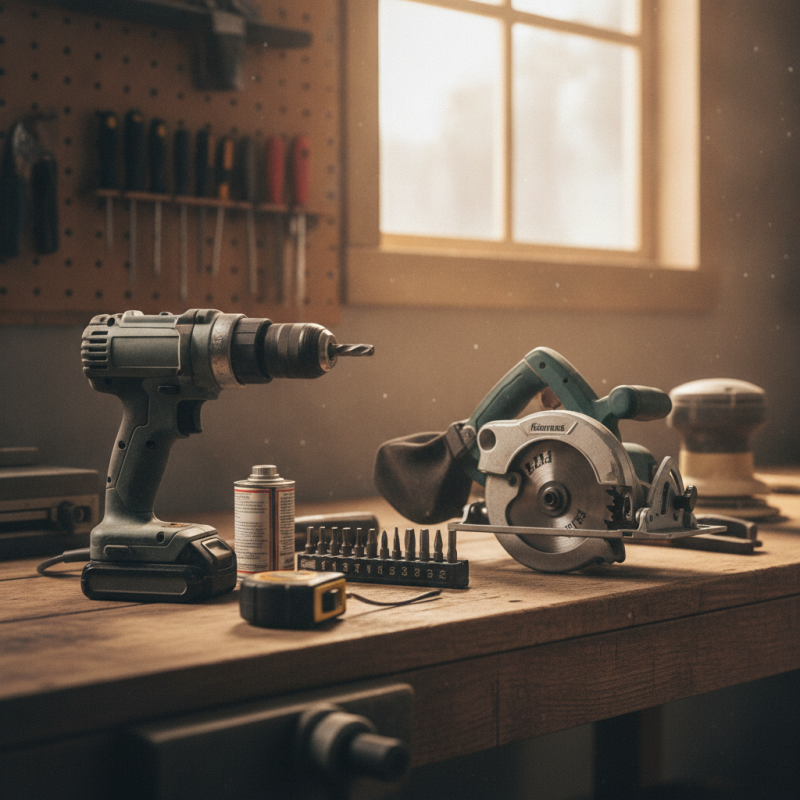
Power tools come in various types, each with its own expected lifespan. Understanding these differences can help buyers make informed choices. For instance, corded tools like drills and saws often last longer than their cordless counterparts. A well-maintained corded tool can last over a decade, while cordless models may range from three to seven years depending on usage.
Factors influencing tool lifespan include usage frequency, maintenance, and storage conditions. Leaving a power tool exposed to moisture can lead to corrosion. Regular cleaning, lubrication, and inspections can extend a tool's life significantly. Homeowners may overlook the importance of maintenance, leading to premature failures and unintended expenses.
It's essential to consider the type of tasks you'll perform. Heavy-duty uses can wear out tools quickly. Budget-friendly options might not last long under constant strain. Being aware of the intended use and the average lifespan of your tools helps in making wise purchasing decisions. Planning for replacements will save money in the long run.
Factors Affecting Power Tool Durability and Longevity
Power tools are essential for both professionals and DIY enthusiasts. However, understanding their durability can significantly impact your purchase. Factors like usage frequency, maintenance practices, and quality of components play a vital role in their longevity. Industry reports suggest that well-maintained tools can last nearly a decade or more. Yet, improper use can lead to a decline in performance within just a few months.
Tip: Invest time in learning proper maintenance techniques. Regular cleaning, lubrication, and inspection can extend the life of your tools dramatically. Many users neglect this aspect, resulting in premature wear. Simple habits, like storing tools in a dry place, can also enhance durability.
Another key factor is the environment in which tools are used. Extreme temperatures or excessive dust can affect performance. A study by the Tool Manufacturers Association found that tools operating in harsh environments face nearly 40% more wear. Ensuring proper conditions can mitigate this impact.
Tip: Always read user manuals and follow best practices. This knowledge is often overlooked but crucial for maximizing tool lifespan. Users frequently ignore signs of wear, leading to bigger issues down the line. Recognizing early signs of damage can save time and money.
Top Tips for Buyers: Choosing Quality Power Tools
When selecting power tools, quality should be your top priority. Look for tools made from durable materials. Steel and high-grade plastics often offer longevity. Check the design as well; ergonomic tools can enhance comfort and reduce fatigue during use.
Read customer reviews and expert opinions. They can provide insight into a tool's performance over time. Pay attention to any recurring issues mentioned. This can reveal potential weaknesses that might not be immediately obvious. Also, consider warranty options. A longer warranty often indicates confidence from the manufacturer in their product.
It's essential to balance price with quality. Cheaper tools may seem appealing, but they often lack durability. Investing in quality may save you money in the long run. However, don't just rely on brand names. Sometimes, lesser-known brands outperform their more recognized counterparts. Take your time. Evaluate your needs before making a decision.
How Long Do Power Tools Typically Last?
Maintenance Practices to Extend the Life of Power Tools
Power tools are an essential investment for both professionals and DIY enthusiasts. Proper maintenance practices can significantly extend their lifespan.
Regular cleaning is critical. Dust and debris can accumulate, causing overheating and malfunctions. After each use, wipe the tool down and ensure that all vents are clear. This small step can save big on costly repairs later.
Checking and replacing worn parts is often overlooked. Components like brushes in electric tools may wear down over time. Regularly inspect them to avoid unanticipated failures.
Additionally, storing tools properly is vital. Keep them in a cool, dry place, away from extreme temperatures. Even minor rust can lead to function deterioration.
Using power tools correctly also plays a significant role in their longevity. Misusing them can cause unnecessary strain. It’s wise to follow all user manuals. Many tools have specific operating time guidelines to prevent overheating.
Being aware of these recommendations can help prevent mistakes.
Power tools can be a significant expense.
Prioritizing maintenance ensures that they last and perform as intended.
Remember, investing time in proper care pays off in the long run.
When to Replace Power Tools: Signs of Wear and Tear
When assessing power tools, understanding when to replace them is vital. Signs of wear and tear often manifest in various ways. A common indicator is decreased performance. If your drill is struggling to complete tasks efficiently, it may be time for a replacement. According to industry reports, tools typically last between five to ten years, depending on usage and maintenance.
Physical signs of damage can also point to the need for a new tool. Inspect for cracks, rust, or any unusual noises during operation. These issues can compromise safety and performance. Experts suggest that even minor damage can lead to significant failures in the long run. A tool showing these signs might not be suitable for effective work, especially in demanding projects.
Regular maintenance is crucial for longevity but doesn't guarantee a tool's lifespan. As tools age, they might require more frequent repairs, which can be costly. A repair cost exceeding 50% of a replacement often flags the need for a new purchase. Relying on outdated equipment may hinder your productivity and expose you to risks. Stay vigilant and prioritize safety in your work environment.
How Long Do Power Tools Typically Last Top Tips for Buyers? - When to Replace Power Tools: Signs of Wear and Tear
| Tool Type |
Typical Lifespan (Years) |
Signs of Wear and Tear |
Replacement Recommendation |
| Cordless Drill |
3-5 |
Decreased battery life, motor overheating |
Replace after 5 years or when performance significantly drops |
| Circular Saw |
5-10 |
Worn blade, unusual noise, poor cutting |
Consider replacement if repairs exceed 50% of new tool cost |
| Angle Grinder |
5-8 |
Vibration increase, sparks from motor |
Replace if you notice significant vibration or performance loss |
| Impact Wrench |
4-6 |
Weak torque, excessive noise |
Consider replacing if torque is insufficient for tasks |
| Jigsaw |
4-6 |
Poor cutting accuracy, blade wobble |
Replace if cuts are no longer precise |
FAQS
: Usage frequency, maintenance, and component quality significantly affect tool longevity.
Regular cleaning, lubrication, and inspection can dramatically increase tool lifespan.
Store tools in a dry place and clean them after each use to prevent wear.
Extreme temperatures and dust can increase wear by nearly 40%.
They contain crucial guidelines that help maximize tool lifespan and performance.
Users often ignore minor damage, which can lead to more significant problems later.
Regular inspections of components like brushes are essential to prevent unexpected failures.
Yes, improper use can create unnecessary strain, leading to quicker deterioration.
Neglecting maintenance can result in premature wear and costly repairs.
Tools should be kept in a cool, dry place to avoid rust and other damages.
Conclusion
When considering how long do power tools typically last, it's essential to recognize that the lifespan varies greatly among different types of tools, typically ranging from a few years to over a decade, depending on usage and maintenance. Factors such as frequency of use, quality of materials, and the type of tasks performed play crucial roles in determining a tool's durability and longevity.
For buyers looking to invest in power tools, selecting high-quality options is paramount. Practicing regular maintenance, such as cleaning and lubricating tools, can significantly extend their life. Additionally, it's important to be aware of signs of wear and tear, as they indicate when it's time to consider replacement. By understanding these key aspects, buyers can make informed decisions that enhance their experience and investment in power tools.
 Bleep Forge
