Global Standard Compliance, Advanced Manufacturing Systems, and Enterprise Procurement Integration for Sintered Stones & Industrial Tile Cutting Technology
Featured Industrial Products & Components
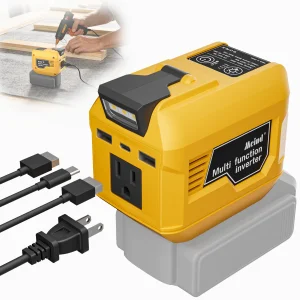
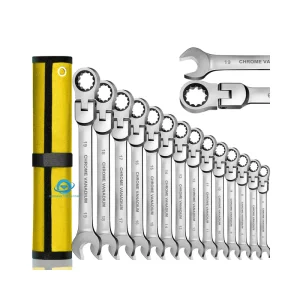
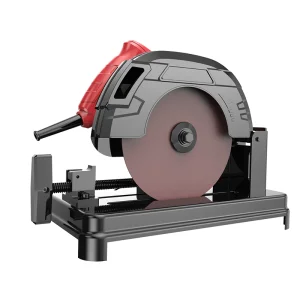
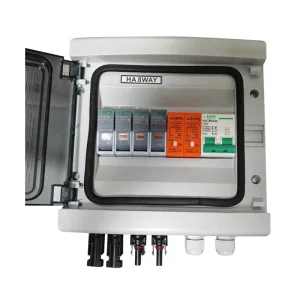
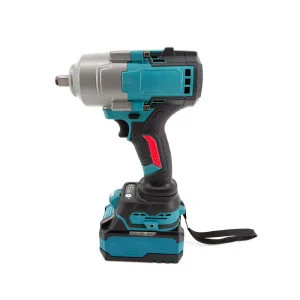
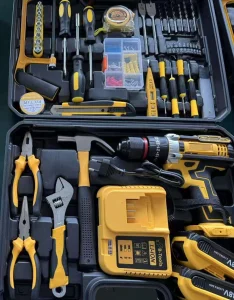
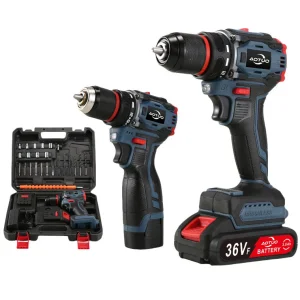
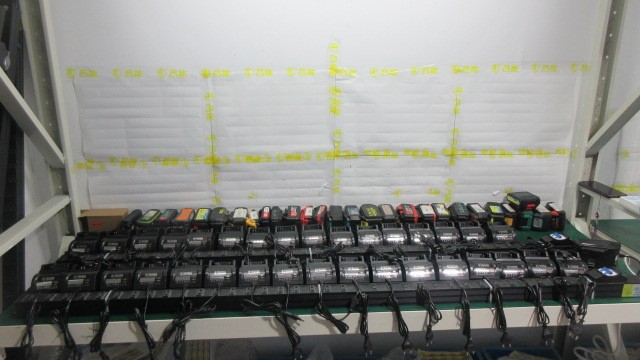
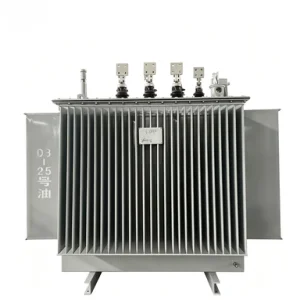
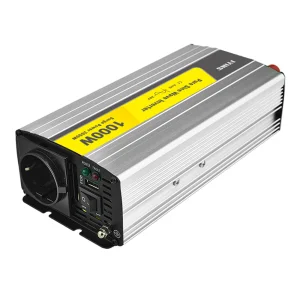
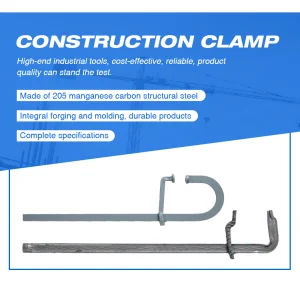
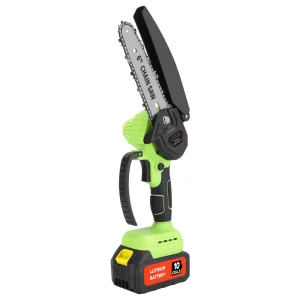
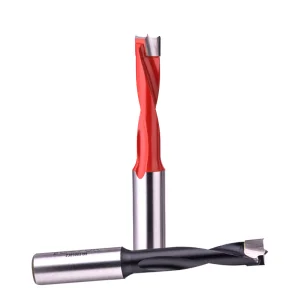
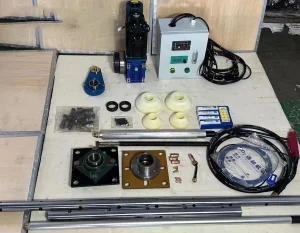
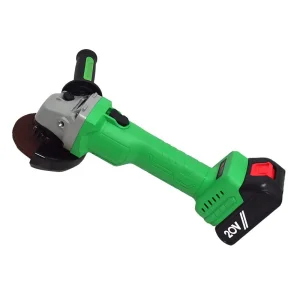
Explore our top-tier manufacturing output, featuring cutting-edge battery management, robust distribution assemblies, and professional-grade site instruments engineered to pass rigorous European compliance evaluations.
1. Executive Summary & The Evolving Paradigm of Tile Cutting Technology
In the modern landscape of construction and architectural installations, the materials selected for building surfaces have undergone a major shift. The rapid adoption of ultra-hard porcelain, large-format sintered stone slabs, and advanced ceramic composites has redefined the parameters of precision cutting. Manual methods are no longer sufficient. Today's commercial tiling applications require mechanical systems that ensure micro-millimeter precision, zero structural chipping, and total operator safety. This shift highlights the critical importance of selecting a reliable CE certified tile cutters factory.
From an engineering standpoint, a tile cutter is no longer treated as a basic hand tool. It is now classified as high-performance cutting machinery. For procurement officers and distributors in North America and Europe, purchasing machinery from an uncertified factory introduces operational risks, potential legal issues, and compliance liabilities. CE certification indicates that a manufacturer has aligned their design, material selection, electrical circuitry, and safety systems with the strict directives of the European Economic Area. This whitepaper explains the technological details, regulatory environments, and manufacturing requirements that define high-performance, CE-compliant tile cutting machinery.
Why Information Gain Matters: Most online directories list basic catalog entries. This technical guide goes deeper, analyzing physical characteristics like structural load thresholds, electromagnetic compatibility (EMC), and dust safety standards. It provides the deep insights required by compliance officers and senior supply chain managers.
2. Decoding CE Certification Standards for Tile Cutting Machinery
A valid CE Mark on a tile cutter is not just a decorative label. It is a declaration that the product complies with multiple European Directives. Depending on whether the cutting system is manual or motorized (corded/cordless), it must pass testing for several key standards:
Machinery Directive (2006/42/EC)
Applies to motorized tile cutters. Evaluates structural design, mechanical guard shields, stability, emergency stop mechanisms, and protection against accidental start-ups to prevent operator injury.
Low Voltage & EMC Directives
Directives 2014/35/EU (LVD) and 2014/30/EU (EMC) ensure that electric and battery-powered models have safe electrical insulation, shock protection, and generate minimal electromagnetic interference.
EN 61029 / EN 62841 Standards
Specific harmonized European safety standards governing transportable motor-operated electric tools. These regulate motor temperatures, vibration levels, and mechanical blade guard designs.
Furthermore, advanced factories are now evaluated on their compliance with dust and silica emission regulations. Under CE specifications, tile saws that perform dry cutting must provide effective extraction ports for industrial HEPA vacuums, while wet-cutting units must have self-contained water recycling systems. This design reduces airborne crystalline silica, protecting workers from long-term occupational health hazards.
As a prominent example of excellence in the power tool industry, Guangzhou Bleep Forge Co., Ltd. has established itself as a professional Power Tool Manufacturer. We specialize in the design, development, and production of cordless, electric, and industrial power tools for global distributors, brands, contractors, and industrial users.
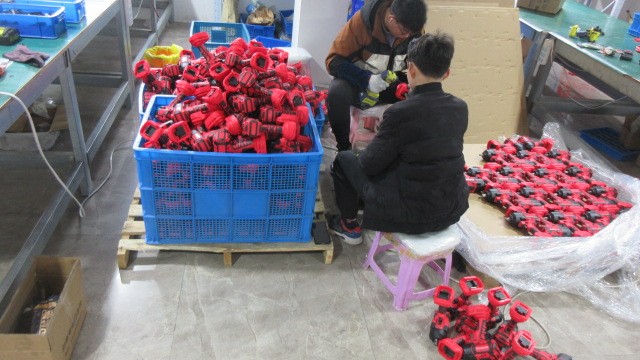
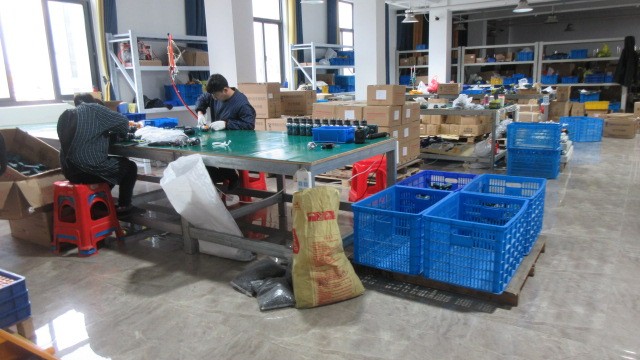
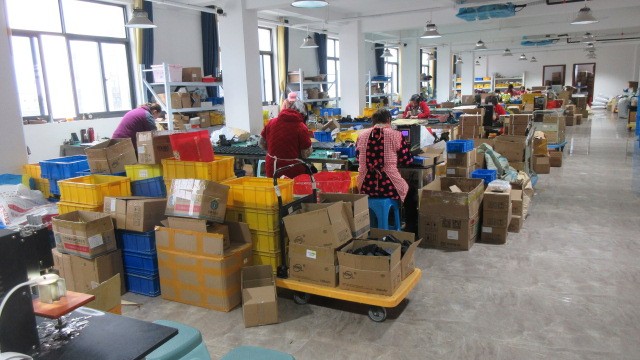
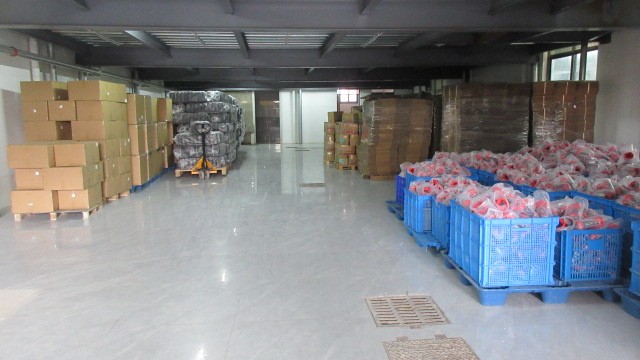
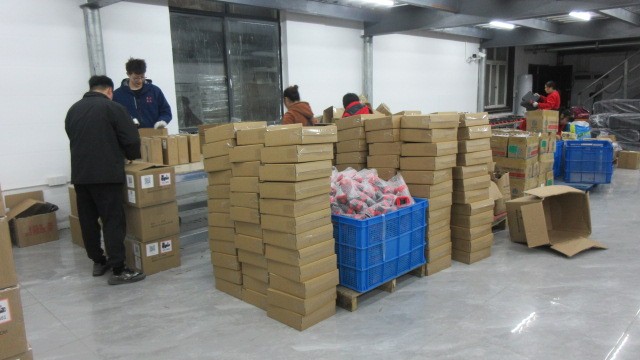
Established in 2013 in Guangzhou, China, our company operates a modern manufacturing facility covering over 15,000 square meters. We employ more than 260 skilled professionals across our engineering, production, quality control, and international sales departments.
2013
Established Year
15,000+ m²
Manufacturing Base
260+
Skilled Professionals
100%
CE Compliant Capability
Bleep Forge provides comprehensive OEM and ODM solutions for customers seeking reliable power tool manufacturing services. Our diverse product portfolio covers a wide range of applications, including construction, woodworking, metalworking, maintenance, renovation, and industrial assembly operations. Whether supporting standard high-volume production or developing customized designs, our facilities are equipped to meet specific regional requirements and global regulatory standards.
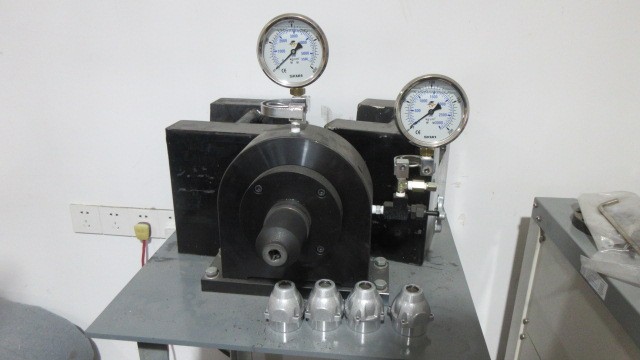
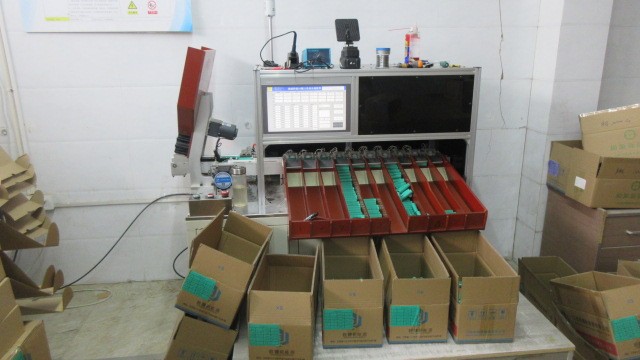
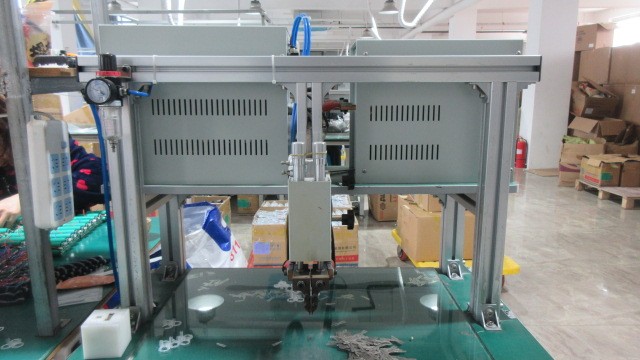
Our factory operates advanced production lines with automated assembly systems, precision machining equipment, performance testing facilities, and strict quality inspection processes. Every stage of manufacturing is managed through standardized procedures to ensure consistent tool performance, durability, and operational safety. A dedicated R&D team continuously works on improving tool efficiency, ergonomics, battery technology integration, and smart tool functionality to meet evolving industry demands.
4. Global Procurement Requirements & Supply Chain Risk Mitigation
When international procurement teams source tile cutting equipment, they focus on two key areas: product quality and supply chain reliability. For procurement managers from global hardware brands or construction supply distributors, selecting a manufacturing partner requires careful evaluation of their factory operations:
E-E-A-T Sourcing Standards
Verify the factory's actual manufacturing capabilities. Insist on seeing third-party test reports, ISO 9001 certifications, and documented manufacturing procedures to confirm real expertise.
Traceability & Verification
Industrial tile cutters must have clear tracking markings, traceable components (such as branded motors and certified wiring), and verifiable declaration sheets linked to notified bodies.
Supply Chain Transparency
High-quality factories provide full visibility into their raw material sourcing, steel grading, diamond matrix formulation, and motor manufacturing processes to ensure consistent output quality.
Bleep Forge mitigates supply chain risks by maintaining full control over key production stages in our 15,000 square meter facility. By handling precision component machining, motor coil winding, and electronics testing in-house, we prevent the quality variations common in factories that outsource most of their production.
5. Macro Industry Solutions: Large Format Tile Processing & Customization
The construction industry's shift toward large-format panels and sintered stones has created new technical challenges for installers. Materials like porcelain panels measuring up to 3.2 meters long require specialized cutting solutions. Traditional manual scrapers often fail to cut these materials cleanly, causing edge cracks and high waste rates.
To address this, our engineers have developed specialized industrial solutions:
Reinforced Dual-Rail Guidance Systems: Heavy-duty, chrome-plated solid steel guides that prevent flexing when cutting large-format materials.
Integrated Laser Alignment Modules: Class II laser systems that project highly visible cut lines, reducing setup times and ensuring precision.
Adjustable Cutting Head Depth: Allows plunge cutting, slotting, and clean step-cutting on delicate materials like marble, glass, and dense sintered stones.
Vibration-Dampened Chassis: Solid die-cast aluminum beds that absorb motor vibrations, ensuring clean, chip-free cuts.
Bleep Forge also offers comprehensive OEM and ODM services. From customized baseboard lengths and branded color housings to specific voltage profiles and specialized safety configurations, we work closely with partners to launch tailored product lines that match regional requirements and consumer preferences.
6. Technical Roadmap & Future Outlook
The future of tile cutting equipment is closely linked to innovations in material science and power management. Key areas of development include:
High-Efficiency Brushless Motors: These motors deliver higher torque-to-weight ratios, run cooler, and eliminate wear-prone carbon brushes, significantly extending tool life.
Integration of Cordless Power: Migrating heavy-duty tile saws to cordless platforms (such as 20V/36V/40V Lithium-ion systems) allows operators to work efficiently on jobsites without depending on grid power.
Precision Dust Mitigation: Advanced vacuum hoods and dust collection systems capture fine silica particles directly at the cutting point, protecting worker health and meeting strict occupational safety laws.
Smart Motor Management: Microcontrollers that monitor motor load and adjust speed in real time, preventing blade binding and protecting the motor from overheating.
By investing in these technologies, Bleep Forge helps global distributors offer high-performance products that meet changing industry needs.
7. Q&A (FAQ) - In-Depth Procurement Guidelines
Why is CE Certification necessary for importing tile cutters into Europe?
CE certification is a mandatory legal requirement for selling machinery within the European Economic Area (EEA). It proves the tool complies with relevant safety, health, and environmental protection standards. Importing non-certified equipment can result in customs seizures, fines, and liability if accidents occur on-site.
What are the primary differences between wet and dry tile cutting systems?
Wet cutting uses a continuous water flow to cool the blade and control dust, extending blade life and ensuring clean cuts in very hard materials. Dry cutting is more portable and faster to set up, but requires integrated vacuum extraction ports to collect hazardous silica dust and prevent tool overheating.
How does Bleep Forge ensure the quality of its OEM/ODM production runs?
We run a structured QA system across our 15,000 square meter factory. We perform incoming quality inspections on raw steel and electronic components, run testing on motor assemblies, and carry out final safety inspections on every production batch to verify performance and compliance.
Can Bleep Forge handle custom voltage configurations and battery platforms?
Yes. Our engineering department specializes in designing products for different market standards. We support 230V AC for European markets, 120V AC for North America, and offer cordless battery solutions on 20V and 40V platforms to fit existing battery lines.
What are the lead times for custom manufactured orders?
Standard production runs are completed in 30 to 45 days. OEM and ODM projects that require custom injection molds, custom packaging, or specific regulatory certifications usually require 60 to 90 days, depending on design complexity.
Complete Industrial & Infrastructure Solutions
Browse our full range of heavy-duty power transformers, woodworking machinery, line boring tools, and electric saws built for long-term reliability in demanding environments.
 Bleep Forge