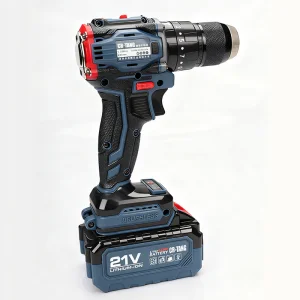
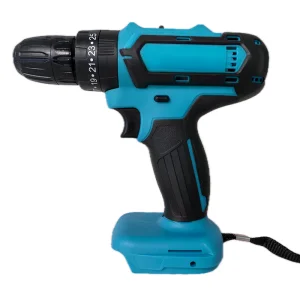
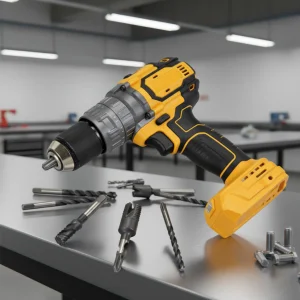
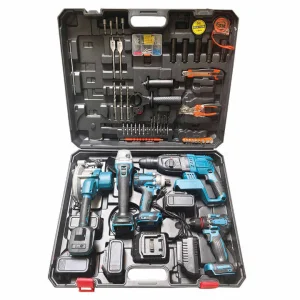
Top 10 Woodworking Router Manufacturer & Suppliers

Global Sourcing Directory & Structural Insights into Precision Manufacturing, OEM/ODM Integration, and Supply Chain Architecture

Next-Gen Woodworking Router Trends

The transformation of modern woodworking tools through smart integration, motor efficiency, and ergonomics.

1. High-Efficiency Brushless DC Technology

Modern commercial routing demands longer runtime and lower maintenance. Industry transition to Brushless (BLDC) motors reduces heat output, increases torque-to-weight ratio, and removes the mechanical wear points inherent in traditional brushed tools.

2. Smart Controls & Constant Speed Electronics

Advanced routing tools now implement speed-regulation microcontrollers. Under heavy load (e.g., knots in hardwood), the chip monitors RPM drops and increases current dynamically, ensuring consistent surface finish quality and preventing wood burn.

3. Modular Plunge & Fixed Base Integration

B2B markets are moving away from single-purpose tools. Suppliers offering "combo kits" that switch seamlessly between plunge, fixed, and offset trim bases allow contractors to optimize their tooling investments with single-motor inventory profiles.

Structural Analysis of Global Woodworking Router Sourcing

In the precision-driven industries of joinery, cabinetmaking, and architectural milling, the woodworking router remains a primary instrument of execution. When global procurement departments source heavy-duty machinery and handheld routers, the evaluation framework extends far beyond nominal pricing. Quality assurance directors, manufacturing engineers, and distribution managers require suppliers that can prove deep system control over structural variables: spindle concentricity, dynamic balance, and thermal dispersion under sustained load cycles.

EEAT Sourcing Principle: Top-tier industrial sourcing relies on evaluating the manufacturing origin's design maturity, material science integration, and traceability standards. A verified supplier must demonstrate clear compliance footprints, state-of-the-art testing, and modular configuration services.

Understanding Sourcing Priorities: What Global Buyers Demand

Procuring handheld power tools and industrial routers for large-scale distribution or commercial projects involves resolving key design challenges:

  • Spindle Runout and Collet Precision: A variation of even 0.05mm can introduce vibration, degrading the finish quality and drastically accelerating router bit wear. High-precision tooling manufacturers utilize CNC grinding stations to ensure collet bores meet strict concentricity thresholds.
  • Thermal Management: Routers running continuously at 25,000 RPM generate considerable heat. Optimized axial-flow cooling fans and aluminum housings prevent winding insulation degradation, ensuring the tool maintains structural integrity over long shifts.
  • Dust Extraction Efficiency: Stringent occupational safety requirements dictate that modern woodworking routers incorporate integrated dust shrouds capable of interfacing with standard dry vacuum units. This design reduces airborne particulate count, protecting workers and prolonging tool life.

Supply Chain Resilience & Industrial Ecosystems in China

The manufacturing landscape for power tools has progressed from basic mass-production to highly responsive, digitally managed supply chains. Modern centers, such as Guangzhou Bleep Forge Co., Ltd., illustrate the advantages of localized manufacturing clusters. By housing tooling design, component casting, motor winding, and electronic assembly within proximity, manufacturers can achieve tight tolerance control and rapid turnaround times.

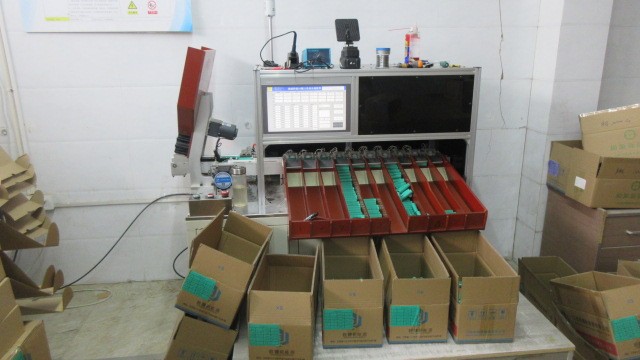
Furthermore, China's "Factory 4.0" automation model integrates precise automated assembly lines with advanced QA verification, allowing suppliers to deliver customized batches without sacrificing standard production times. For international buyers, this equates to shorter lead times, customizable OEM/ODM platforms, and dependable product runs.

Evaluation Framework

1. Precision Engineering Evaluating mechanical runout, spindle tolerances, and bearing grades (e.g., NSK/SKF).
2. Electronic Safety System Assessing electronic soft-start, overload limits, and micro-controlled constant speed under load.
3. Supply Chain Adaptability Evaluating OEM/ODM design capability, custom plastic molding, and compliance certifications (CE, UL, GS).
4. Battery Platform Synergy Integration of lithium-ion systems across cordless power tool configurations.
2013
Year Established
15,000+
Manufacturing Sq. Meters
260+
Skilled Industry Professionals
6+
Global Export Regions Served

Factory Showcase & Supply Chain Capabilities

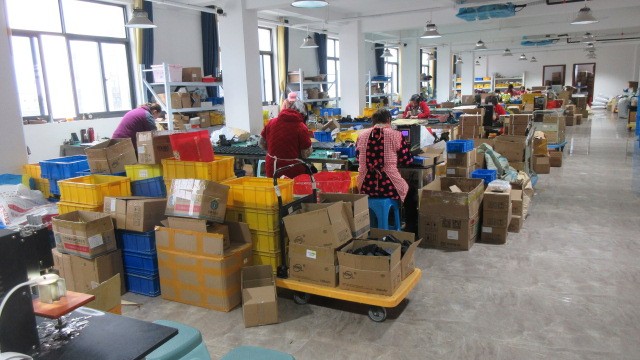
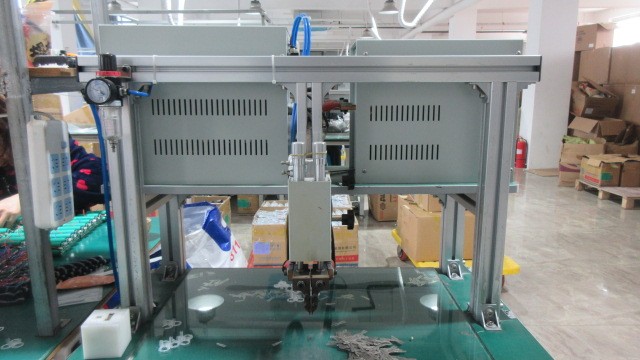
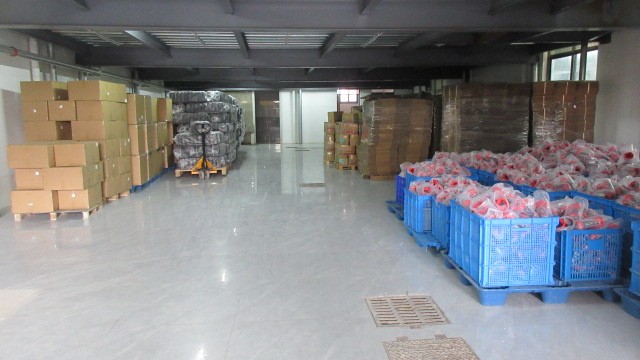
An in-depth look at Guangzhou Bleep Forge Co., Ltd.'s modern facility, automated production lines, and quality verification processes.

Guangzhou Bleep Forge Co., Ltd.

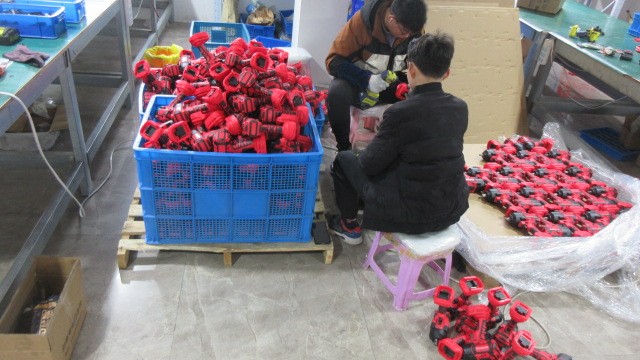
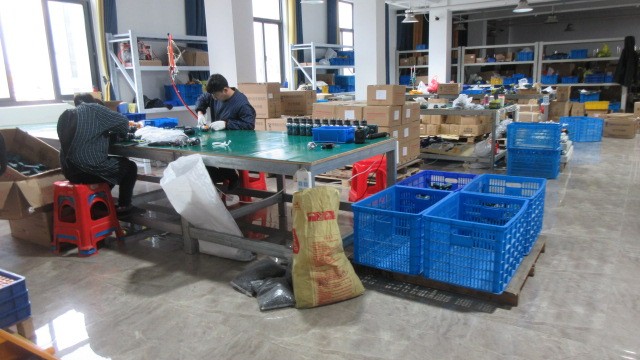
Established in 2013, Guangzhou Bleep Forge Co., Ltd. is a professional Power Tool Manufacturer specializing in the development and production of cordless, electric, and industrial power tools for global distributors, brands, contractors, and industrial users. Located in Guangzhou, China, the company's modern manufacturing facility covers over 15,000 square meters and employs more than 260 skilled professionals across engineering, production, quality control, and international sales departments.

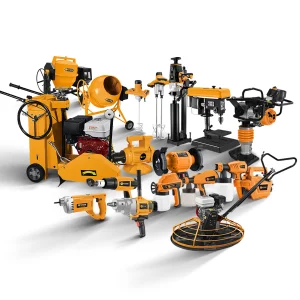
Bleep Forge provides comprehensive OEM and ODM solutions for customers seeking reliable power tool manufacturing services. The company's product portfolio covers a wide range of applications, including construction, woodworking, metalworking, maintenance, renovation, and industrial assembly operations.

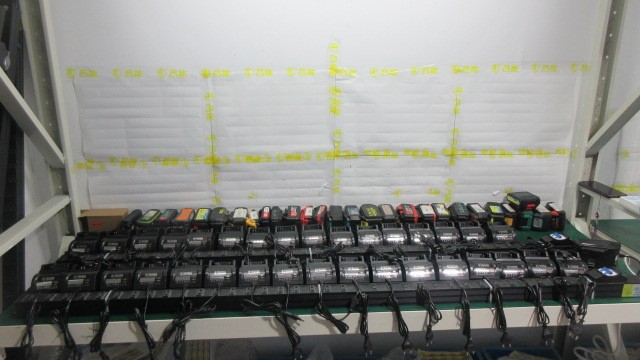
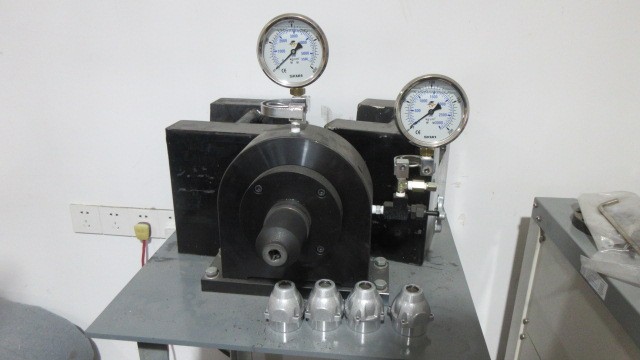
Operating advanced production lines equipped with automated assembly systems, precision machining equipment, performance testing facilities, and strict quality inspection processes, every stage of manufacturing is managed through standardized procedures to ensure consistent product performance, durability, and operational safety.

A dedicated research and development team continuously works on improving tool efficiency, ergonomics, battery technology integration, and smart tool functionality to meet evolving industry demands. Bleep Forge offers flexible customization services covering product design, housing development, branding, packaging, technical specifications, and market-specific compliance requirements.

Serving clients across North America, Europe, South America, the Middle East, Southeast Asia, and other international markets, Guangzhou Bleep Forge Co., Ltd. maintains long-term customer partnerships through manufacturing excellence, quality-focused production, and responsive customer support.

Application Scenarios & Real-World Use Cases

How professional-grade woodworking routers and power tools perform across distinct market sectors.

Architectural Millwork

High-power plunge routers are essential for creating detailed, customized moldings, corbels, and deep grooves in select hardwoods. Maintaining accurate RPM under varied grain resistance is critical to avoiding surface defects and preserving profile uniformity.

High-Volume Cabinetry

In mid-to-large-scale furniture workshops, routers mounted in solid router tables function as small shaper units. These assemblies handle tasks like template routing, edge profiles, and producing joinery cuts (dadoes, rabbets, and box joints) with speed and repeatability.

Mobile Jobsite Finishing

For on-site carpenters and finish trim installers, lightweight cordless routers are the standard choice. They provide the agility required to mortise hinges, trim laminate veneers, and bevel edges on-site without managing power extension lines.

Technical Q&A: Sourcing & Engineering

Answers to common structural and logistical questions from professional tool buyers and procurement directors.

What is the impact of spindle runout (T.I.R.) on woodworking router performance?
Total Indicated Runout (T.I.R.) measures the eccentricity of the router's spindle. Runout exceeding 0.03mm leads to uneven cutter wear, vibrations, and subpar edge finishes. To guarantee optimal cutting performance, high-quality manufacturers use precision-ground collets and dual-balanced armature designs to keep runout below 0.02mm.
Why are brushless motors preferred over brushed motors for professional routing?
Brushless motors remove the friction and voltage drops caused by carbon brushes. This yields up to 50% longer battery runtimes, significantly reduces thermal output, and minimizes maintenance. Additionally, they allow electronic speed controllers to react faster to load changes.
How does Guangzhou Bleep Forge ensure quality across large OEM production runs?
Quality assurance starts with strict testing of raw materials and motor windings. Every batch of tools undergoes digital dynamic balancing, high-voltage insulation tests, and real-world loading simulations. Our facility operates under ISO-certified processes to ensure consistent output quality across all production cycles.
What customization options are available under Bleep Forge's ODM/OEM program?
We offer comprehensive customization packages. Clients can request modifications to motor wattages, casing materials, custom grip ergonomics, and switch configurations. Additionally, we provide tailored branding options, specialized packaging layouts, and technical adaptions for regional voltage standards and certifications (CE, GS, UL, etc.).
What is the standard lead time for B2B bulk orders?
Standard production lead times range between 35 to 45 days after deposit confirmation and technical specification sign-off. Highly customized OEM tools requiring dedicated injection mold modifications can extend initial lead times, which are managed directly by our engineering and logistics teams.