1. Executive Overview: The Paradigm Shift in Construction Mixing Systems
In modern structural engineering and commercial construction, the compounding demands for material consistency, operational efficiency, and labor optimization have transformed the parameters of basic site preparation. Concrete, mortar, plaster, and specialized chemical compounds dictate the structural integrity of physical infrastructure. At the core of this matrix sits the technology of the construction mixer. No longer just a rotating drum, the contemporary mixing system spans heavy-duty industrial vehicles down to portable high-torque handheld electric and cordless mixers that handle high-viscosity materials on demand.
"Achieving uniform dispersion of chemical admixtures and mineral aggregates requires precise mechanical torque and speed control. As structural criteria tighten globally, construction enterprises look to Tier-1 Chinese manufacturers to deliver high-reliability industrial power units."
As global infrastructure projects scale, procurement teams face complex challenges: balancing initial capital expenditure (CAPEX) with long-term operational durability, navigating stringent localized regulatory emissions standards, and securing resilient supply chains. This document provides an in-depth, technical white paper analyzing the industrial capabilities, manufacturing breakthroughs, and future technological roadmaps of the top construction mixer and tool manufacturers in China, with a specific focus on Guangzhou Bleep Forge Co., Ltd.
Established in 2013, Guangzhou Bleep Forge Co., Ltd. has grown to become a premium Power Tool Manufacturer specializing in the engineering, design, and mass production of cordless, electric, and industrial power tools. Over the past decade, their product engineering has supported global distributors, OEM brands, structural contractors, and industrial end-users across various highly demanding niches—including high-torque mixing solutions, demolition applications, and heavy woodworking.
2013
Year Founded
15,000㎡
Factory Footprint
260+
Skilled Experts
99.8%
QC Pass Rate
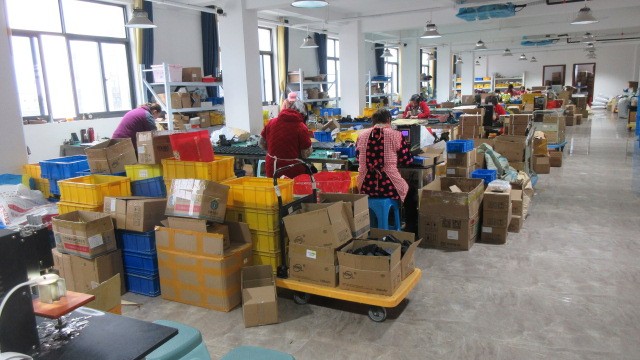
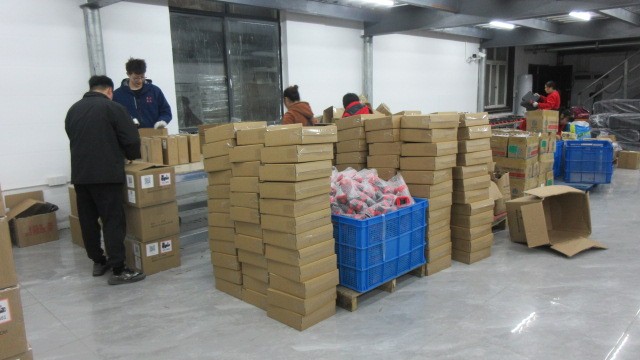
Operating from a state-of-the-art facility spanning more than 15,000 square meters in Guangzhou, China, Bleep Forge maintains a unified workforce of over 260 skilled professionals. This multidisciplinary team spans research & development, mechanical and electrical engineering, automated production line management, strict quality assurance (QA) frameworks, and dedicated international trade operations.
Bleep Forge provides comprehensive OEM (Original Equipment Manufacturer) and ODM (Original Design Manufacturer) solutions for partners requiring reliable power tool manufacturing services. The company's product portfolio is engineered to address demanding environments, including construction sites, high-precision woodworking, metalworking, facility maintenance, and industrial assembly operations. Their production capabilities support both standardized machinery runs and highly customized development projects tailored to localized regional voltages, motor cooling demands, and ergonomic parameters.
3. Technology Roadmap & Future Outlook: Next-Generation Mixing Systems
The engineering criteria for portable mixing equipment have evolved past simple rotational velocity. Today's R&D efforts are focused on three core engineering pillars: smart torque distribution, high-voltage cordless integration, and advanced thermolysis (heat dissipation).
Brushless DC (BLDC) Systems
By eliminating carbon brushes, BLDC motor technology decreases internal friction and electromagnetic interference, extending operational life by up to 200%. For mixing tools, BLDC motors sustain constant torque even when encountering highly viscous materials like polymer-modified mortar.
High-Voltage Battery Platforms
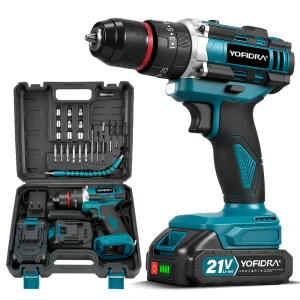
The industry is transitioning from legacy 12V and 18V architectures to 21V, 54V, and high-capacity 80V cordless platforms. Bleep Forge's integration of intelligent BMS (Battery Management Systems) prevents cell overcharging, thermal runaway, and performance throttling under load.
Ergonomic Double-H Handle
Extended mixing tasks present vibration risks to operators. Advanced handle frameworks utilize shock-absorbing elastomeric materials and multi-point weight distribution, mitigating user fatigue and enhancing control precision.
Looking forward to the next decade, the industry expects smart IoT-enabled telemetry to integrate directly into construction mixers. This will allow operators to monitor material temperature, viscosity thresholds, and real-time current consumption via mobile applications. In addition, intelligent speed governor chips will automatically adjust rotational speed based on real-time sensory feedback, protecting the motor from unexpected overload spikes.
4. Macro Industry Solutions: Aligning Machinery to Global Job Sites
Modern civil engineering works require localized, material-specific mixing protocols. Generic speed profiles often result in poor structural integrity. The matrix below outlines how modern manufacturers match mixer specifications to primary structural materials:
Material Class
Typical Viscosity Index
Recommended Speed (RPM)
Ideal Power Architecture
Critical Features Required
Self-Leveling Underlayment
Low to Medium
400 - 600 RPM
21V Cordless / 1200W Corded
Anti-aeration paddles, dual-shaft configuration
Polymer-Modified Mortar
High
250 - 450 RPM
1600W - 1800W Electric
High-torque constant electronic speed control
Heavy Concrete / Aggregates
Very High
150 - 300 RPM
Dual-Gear Mechanically Switched
Heavy-duty planetary gearbox, metal housing
Gypsum-Based Plasters
Medium
350 - 550 RPM
Cordless Brushless (21V / 54V)
Variable speed trigger, splash-guard ring
5. China Factory 4.0: Supply Chain Resilience & Cost Advantages
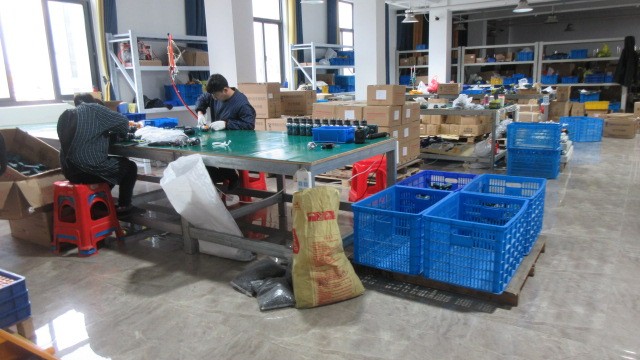
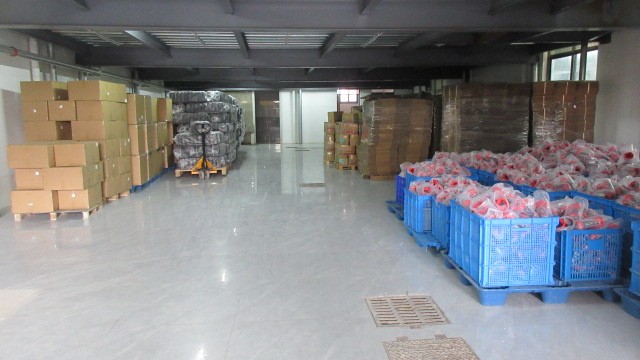
The competitive edge of top Chinese construction tool manufacturers lies in their adoption of Factory 4.0 principles and deep vertical integration. Guangzhou Bleep Forge’s 15,000-square-meter facility demonstrates how modern automation, localized raw material sourcing, and logistics synergy minimize operational friction.
Vertical Integration and Precision Processing
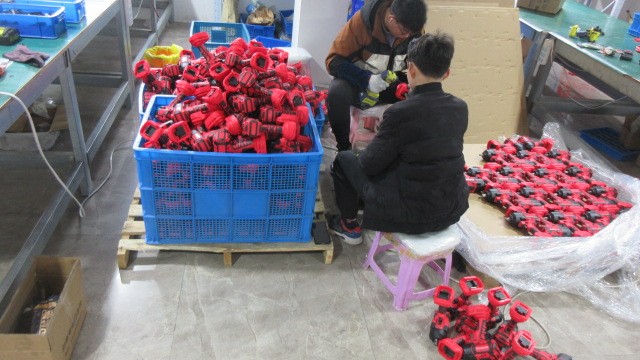
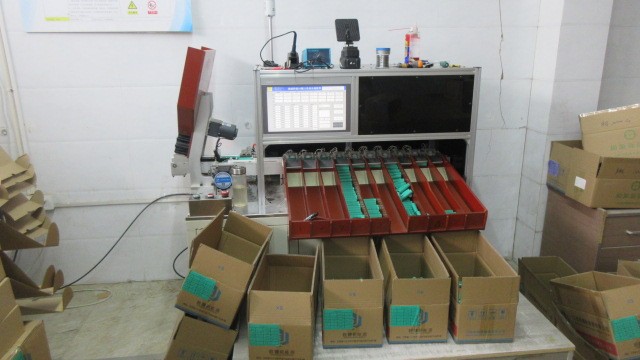
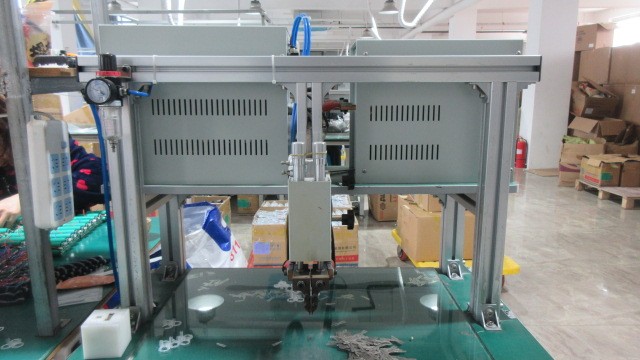
Rather than relying on third-party assembly shops, Bleep Forge maintains control over critical components. Their automated motor winding lines guarantee that stator and rotor units achieve perfect balance and insulation resistance, reducing field failure rates. Utilizing advanced CNC machining centers, the factory produces gear housings, drive shafts, and high-precision gears in-house to ensure precise tolerances.
Guangzhou's location within the Pearl River Delta industrial cluster provides immediate access to high-grade steel, premium copper wire, and advanced lithium battery cells. This localized ecosystem reduces raw material transit times and shields production costs from international supply chain volatility.
6. Global Procurement Demands: Compliance, Safety, & Regulatory Frameworks
Industrial procurement teams must navigate a complex landscape of international regulatory certifications before importing construction equipment. A failure to comply can lead to customs seizures, liability exposures, or product recalls.
Key Global Quality Certifications:
Europe (CE/GS/RoHS): Verifies electromagnetic compatibility, low-voltage electrical safety, and restriction of hazardous chemical substances.
North America (UL/ETL/CSA): Certifies rigorous motor and battery safety testing for electric tools under extreme load.
Global Quality (ISO 9001:2015): Validates the presence of a standardized, auditable Quality Management System (QMS) across all manufacturing phases.
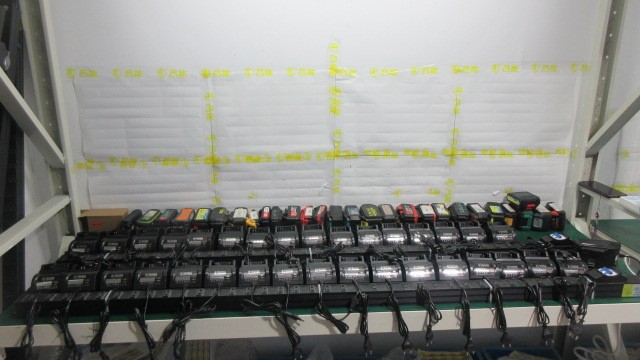
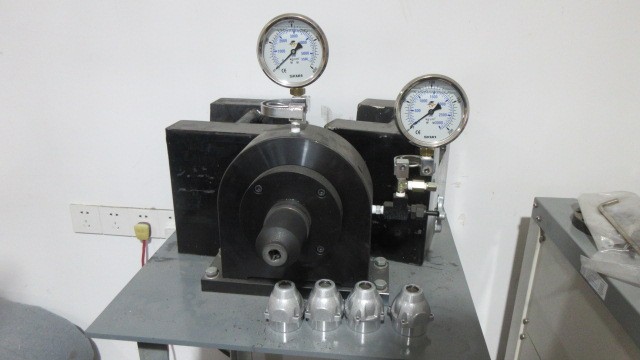
Through continuous testing and compliance audits, Bleep Forge ensures its custom and standard machinery catalog conforms to these global baselines. The factory maintains high-capacity testing facilities, including dynamometer load benches, vibration testers, thermal chambers, and drop-test stations, ensuring that every tool design matches the rigorous demands of global markets.
7. Localization Support & Global Partnerships
Recognizing that purchasing equipment is only the first step in the procurement process, Bleep Forge provides structured post-sale support. For global distributors, they offer customized packaging options, localized voltage and plug configurations, and comprehensive parts provisioning. Their logistics partnerships guarantee smooth transit, custom clearances, and on-time port delivery, reducing lead times for import operations.
Q1: What makes Guangzhou Bleep Forge a premium choice for OEM/ODM construction tool manufacturing?
Bleep Forge operates a 15,000-square-meter facility with over 260 skilled professionals, handling every stage of production from CNC gear machining to dynamic motor balancing in-house. This comprehensive manufacturing control ensures superior quality and reduces risk for international brands.
Q2: How do cordless 21V and 54V systems perform compared to traditional corded construction mixers?
Modern high-voltage cordless tools utilize advanced Brushless DC (BLDC) motors and smart Battery Management Systems (BMS). They offer comparable continuous torque output to 1200W–1600W corded models while providing superior mobility on jobsites without reliable power access.
Q3: What compliance certifications does Bleep Forge secure for global markets?
All tools and mixing systems can be fully customized and certified to meet European (CE, GS, RoHS) and North American (UL, CSA, ETL) safety and performance standards. Factory operations comply with ISO 9001:2015 standards.
Q4: How does Bleep Forge manage international logistics and custom manufacturing requests?
We offer end-to-end design customization, from housing modifications and specialized branding to region-specific battery cell choices. Our logistics team handles customs paperwork, offering FOB, CIF, or DDP delivery options to ensure smooth international transport.
Q5: What measures are taken to prevent motor burnout under heavy construction mixing loads?
Our heavy-duty mixing systems are engineered with dynamic heat-sink assemblies and automatic thermal-overload protection. This system cuts current flow when temperature limits are exceeded, safeguarding the internal components.
 Bleep Forge