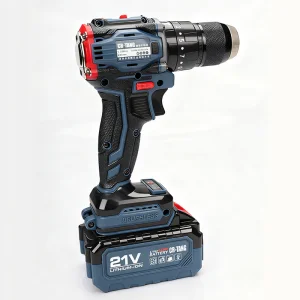
Woodworking Power Tools Manufacturer & Exporter for the Tokyo Market

Precision Engineering, Factory 4.0 Supply Chain Resilience, and Industrial-Grade Cordless Performance Tailored to Japanese Construction Standards

Tokyo Woodworking Industry: Dynamic Architectural Demands

An In-Depth Whitepaper on Urban Infrastructure Construction, Supply Chain Stability, and High-Precision Mechanical Requirements

1. The Industrial Landscape of Woodworking & Construction in Tokyo

Tokyo’s construction and woodworking sector occupies a unique position in global architecture. Despite being a sprawling ultra-modern metropolis, the city retains a profound commitment to wood-based structures. This is driven not only by historical aesthetic preferences but by strict structural engineering realities. Over 55% of residential structures in the Tokyo metropolitan area utilize wood frame construction (Zairai Lajaku and 2x4 framing methods). Wood exhibits exceptional natural seismic flexibility, making it an indispensable medium in Japan’s earthquake mitigation protocols.

However, woodworking within the dense confines of Tokyo presents extreme logistical and environmental constraints. The Tokyo Metropolitan Government enforces stringent noise abatement codes (typically keeping construction noise levels below 85 decibels in commercial areas, and 65 decibels in residential zones). Consequently, the metropolitan woodworking market has shifted rapidly toward advanced power tools featuring brushless DC motors (BLDC). These tools provide higher torque outputs relative to physical weight and run at a lower acoustic footprint than older carbon-brushed variants. Additionally, dust extraction compatibility (connecting seamlessly to HEPA-rated vacuum assemblies) is non-negotiable for contractors executing interior retrofits in locations like Ginza, Shibuya, or Shinjuku.

Key Takeaway for Importers

Industrial tool importers serving Japanese buyers must ensure tools exhibit high power-to-weight ratios, certified low vibration levels (to prevent hand-arm vibration syndrome among veteran tradesmen), and integrate seamlessly with regional safety regulations.

2. Global Technological Shifts in Woodworking Power Tools

The global woodworking power tool market is undergoing a major paradigm shift led by smart technologies. In particular, four primary trends are dominating high-end procurement:

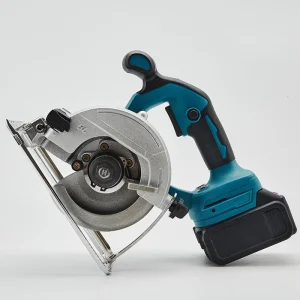
  • High-Density Cordless Systems: The migration from AC corded machinery to high-voltage cordless tools (typically 18V to 36V) has accelerated. Modern lithium-ion chemistry allows cordless circular saws and planers to rival the continuous output of their corded predecessors.
  • Smart Brushless Integration: Brushless motors communicate with microcontrollers to adjust rotational speed and torque dynamically based on material density. This prevents kickback, prolongs battery runtime by up to 50%, and minimizes motor wear.
  • Ergonomics & Safety Autonomy: Electronic brakes that stop saw blades within milliseconds, advanced anti-vibration housings, and integrated wireless tool activation (where a tool automatically triggers a vacuum extractor via Bluetooth) have transitioned from premium options to baseline standards.
  • All-in-One Space-Saving Workstations: Especially in space-constrained urban environments, portable, multi-functional machinery (such as 6-in-1 combo saws) allows contractors to execute complex joinery and planing tasks without occupying large physical footprints.

Guangzhou Bleep Forge: Manufacturing Capabilities

Empowering Global Brands and Tokyo Importers with Factory 4.0 Efficiency and Uncompromised Quality Standards

2013
Established Year
15,000㎡
Facility Area
260+
Skilled Staff
100%
Quality Verified

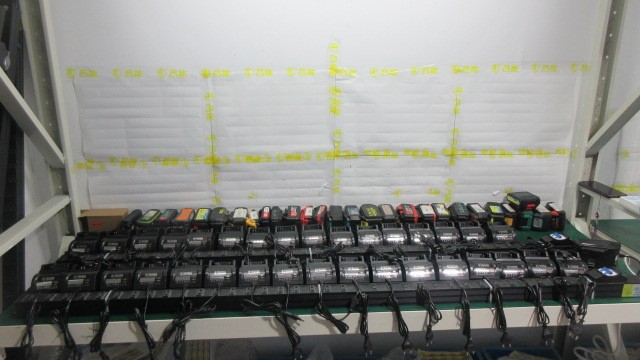
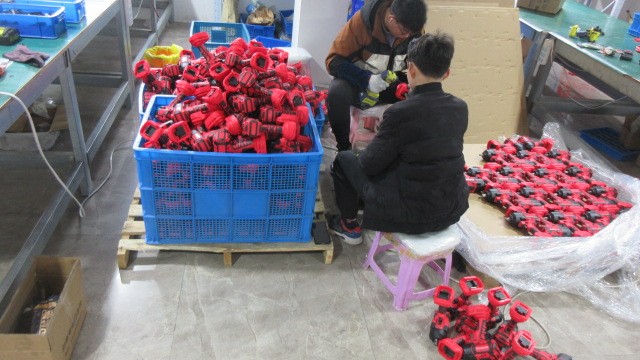
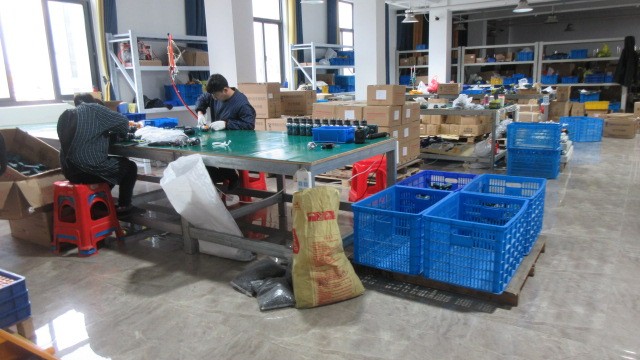
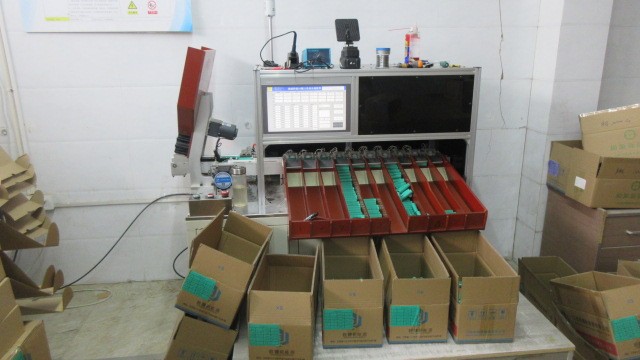
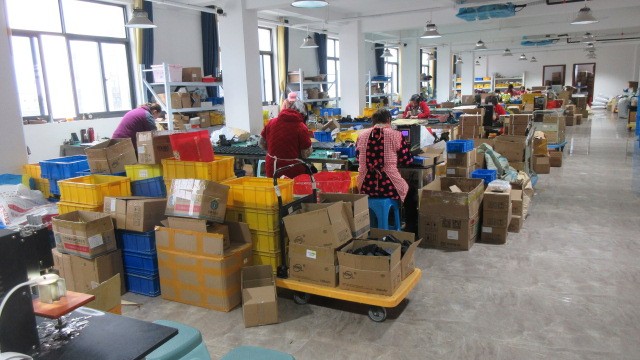
Guangzhou Bleep Forge Co., Ltd. is a premier power tool manufacturer specializing in the engineering, design, and global export of industrial-grade electric and cordless woodworking tools. Established in 2013 in Guangzhou, China, Bleep Forge maintains a state-of-the-art 15,000 square meter production complex. The facility integrates automated component machining, dynamic balance testing, computerized motor winding, and assembly lines operated by over 260 highly trained technicians and quality assurance engineers.

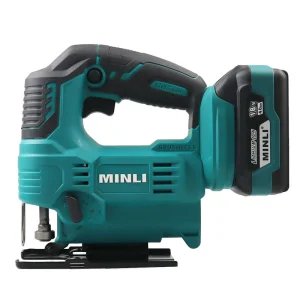
For Tokyo importers, Bleep Forge represents a vital supply chain asset. By locating manufacturing in Guangzhou, we leverage China's most robust industrial supply network while maintaining rapid shipping access to the Port of Tokyo. Our factory operates under strict ISO 9001:2015 frameworks, ensuring that every batch of cordless drills, track saws, and planers meets Japanese technical criteria, including the PSE (Product Safety Electrical Appliance & Material) certification, which is mandatory for electrical products imported into Japan.

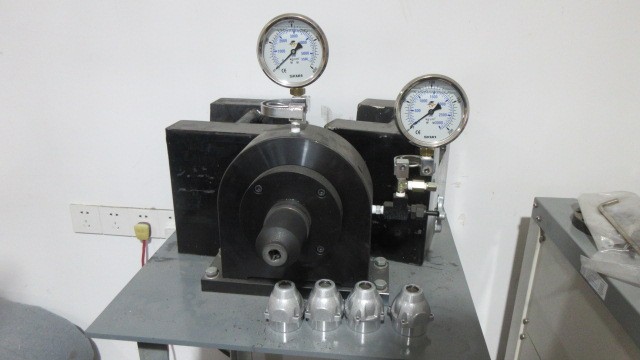
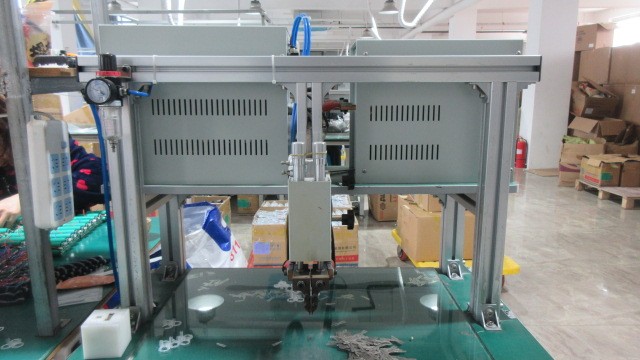
Bleep Forge Assembly Line Precision Motor Winding Automated Testing Equipment

Our commitment to "Factory 4.0" automation translates to high consistency, reduced lead times, and robust supply chain resilience. Through direct raw material procurement channels, automated assembly lines, and rigorous end-of-line testing, we offer stable pricing structures that shield our international partners from market volatility. Our dedicated R&D division continuously optimizes tool ergonomics, battery life, and heat dissipation to ensure our products stand up to heavy-duty professional use.

Local Application Scenarios in Tokyo Projects

Where precision woodworking meets modern urban development across Tokyo's iconic districts.

Traditional Timber Joinery

Execution of complex joints (sashimono) and frame installation in residential developments across Suginami and Setagaya wards, demanding absolute depth accuracy and zero-wobble cutting lines.

Ginza Luxury Retail Fit-Outs

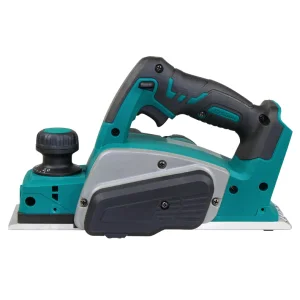
Ultra-low-dust, low-noise interior renovations in Ginza's commercial spaces, where electric hand planers and orbital sanders must operate cleanly to avoid disrupting neighboring shops.

Modular Housing Prefabrication

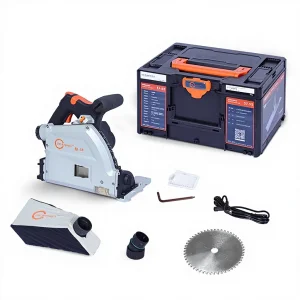
Factory-based pre-cutting systems operating in industrial zones adjacent to Tokyo Port, where high-output track saws and panel machinery work continuously to supply urban jobsites.

In addition to our core automated lines, Bleep Forge supports customizable OEM and ODM projects. This allows Tokyo distributors to build localized power tool profiles—fine-tuning motor outputs to 100V (Japan's unique utility grid standard) or developing customized battery adapters for compatibility with existing local power tool ecosystems.

CNC Machining Parts Quality Inspection Control Export Logistics Packaging

Frequently Asked Questions (FAQ)

Direct answers to the regulatory, mechanical, and logistical questions commonly raised by Japanese distributors and procurement managers.

Do Bleep Forge power tools carry the PSE Mark certification required for Japan?
Yes. All power tools supplied by Bleep Forge to the Japanese market are engineered to comply with Japan's Electrical Appliance and Material Safety Act. We actively cooperate with third-party testing institutions to obtain and maintain the PSE Mark for all 100V corded equipment, lithium-ion battery chargers, and battery packs.
What is the typical shipping lead time from your Guangzhou facility to Tokyo Port?
Our strategic location in Guangzhou gives us immediate access to Nansha and Shenzhen ports. Sea freight transit from South China to Tokyo Port is highly efficient, typically taking only 5 to 7 days port-to-port. Combined with our standardized manufacturing cycles, standard orders are processed, packaged, and delivered in approximately 30-45 days.
How does Bleep Forge guarantee cell quality in cordless tools?
We source our lithium cells strictly from top-tier global manufacturers (such as Samsung, LG, and high-performance domestic brands that pass our internal safety audits). Our battery management systems (BMS) are integrated directly into the packs, providing active over-current, over-charge, and thermal cutoff protection to maximize the operational lifespan and safety under high loads.
What options are available for OEM/ODM customization?
We provide full-spectrum customization. This includes custom housing colors, molded brand logos, modified tool performance metrics (such as custom RPM ranges or torque targets), tailored packaging design, and localized operation manuals in Japanese.
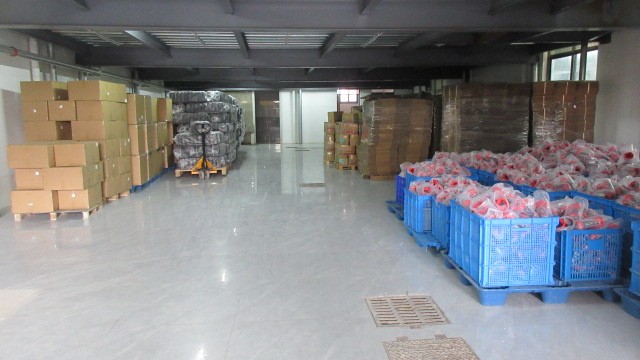
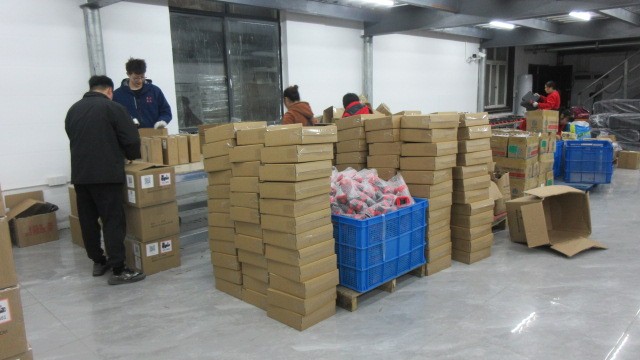
Packaging & Customization Options Factory Testing Lab Finished Product Shipments Ready for Export