1 / 5
 Bleep Forge
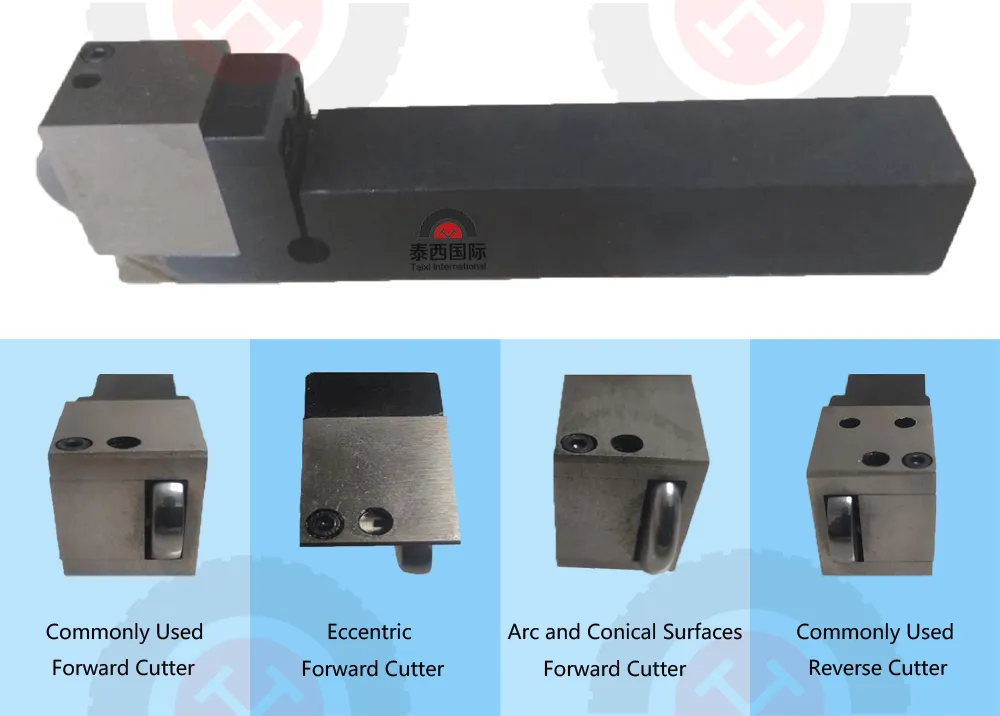
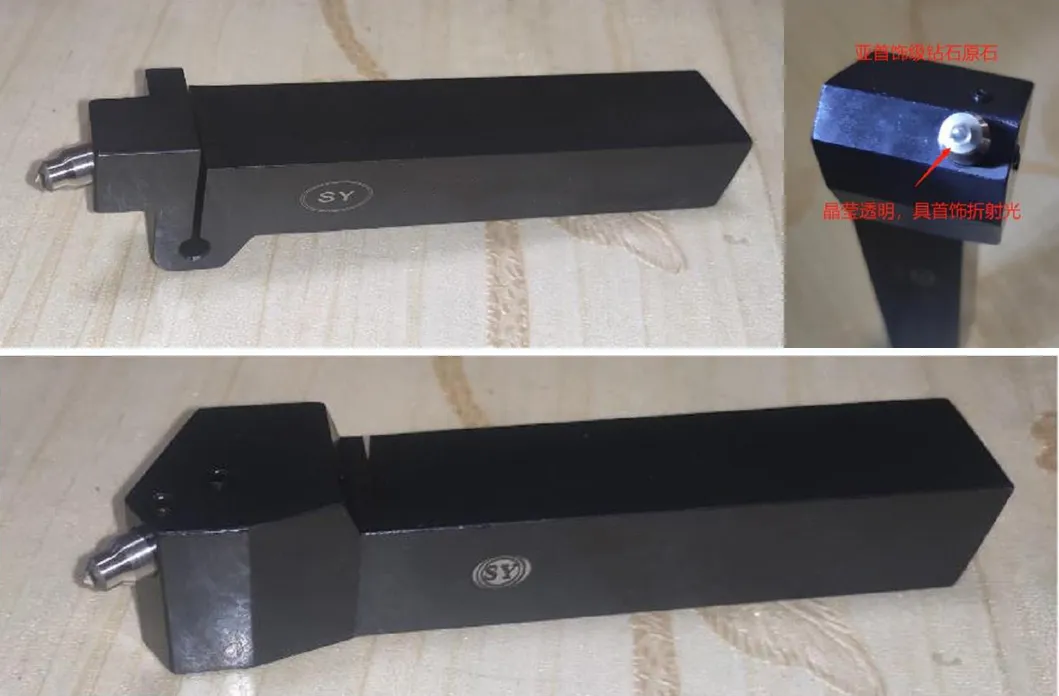
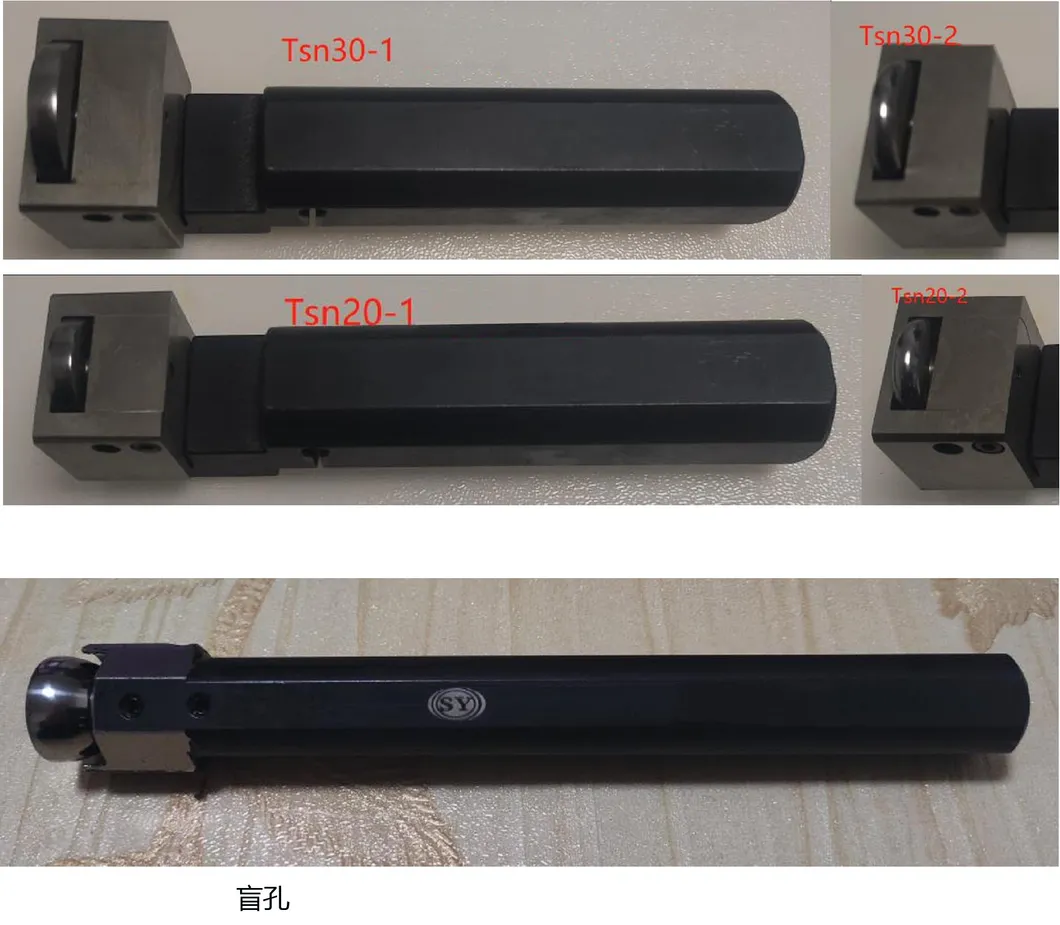
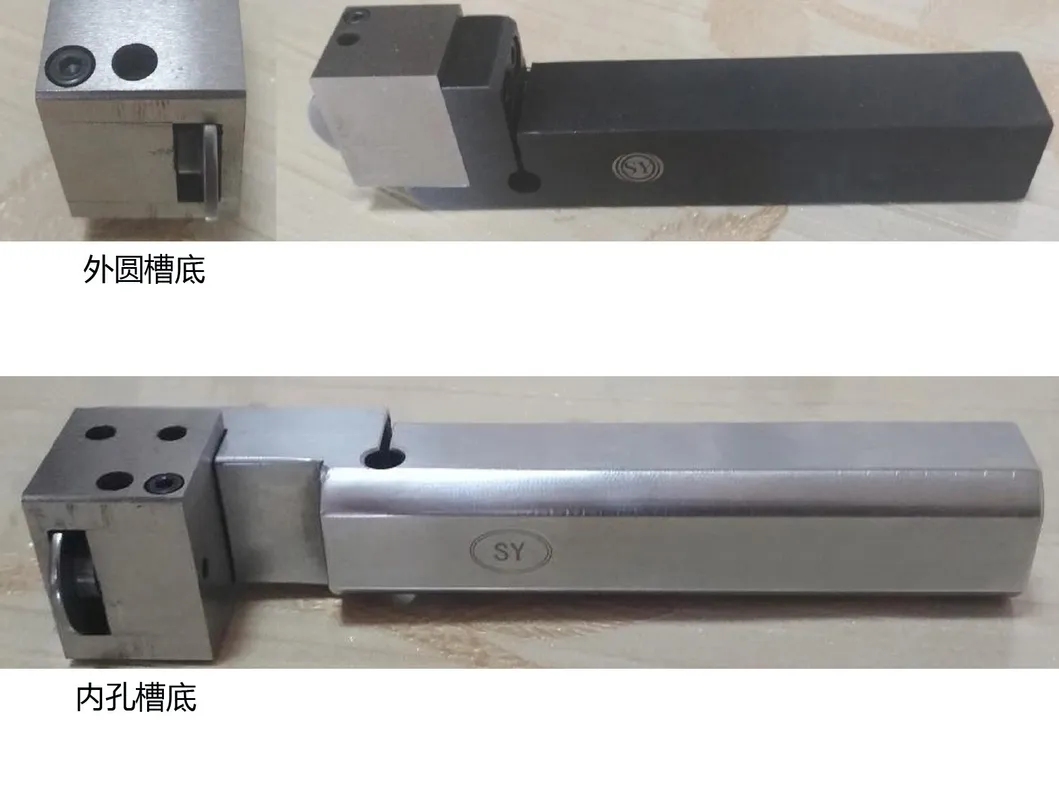
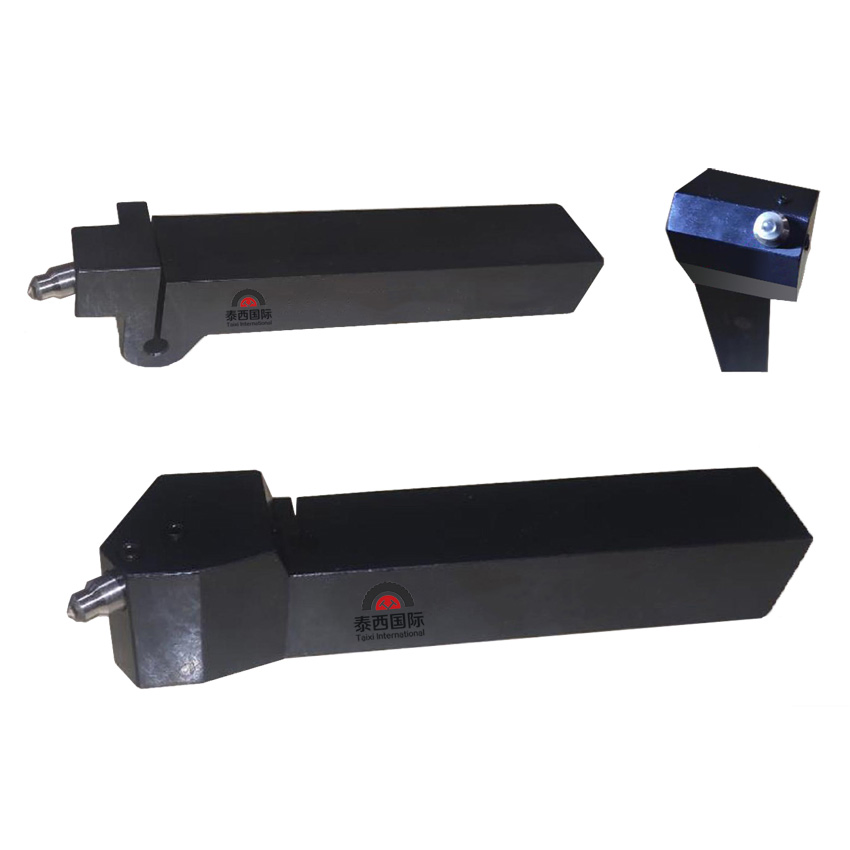
| NO. | PROGRAM | PARAMETER | DESCRIPTION |
|---|---|---|---|
| 1 | Product life | Design life for 45# steel products can be continuously processed for more than 2000 hours | There are still other effects that reduce the life of the product in different situations. |
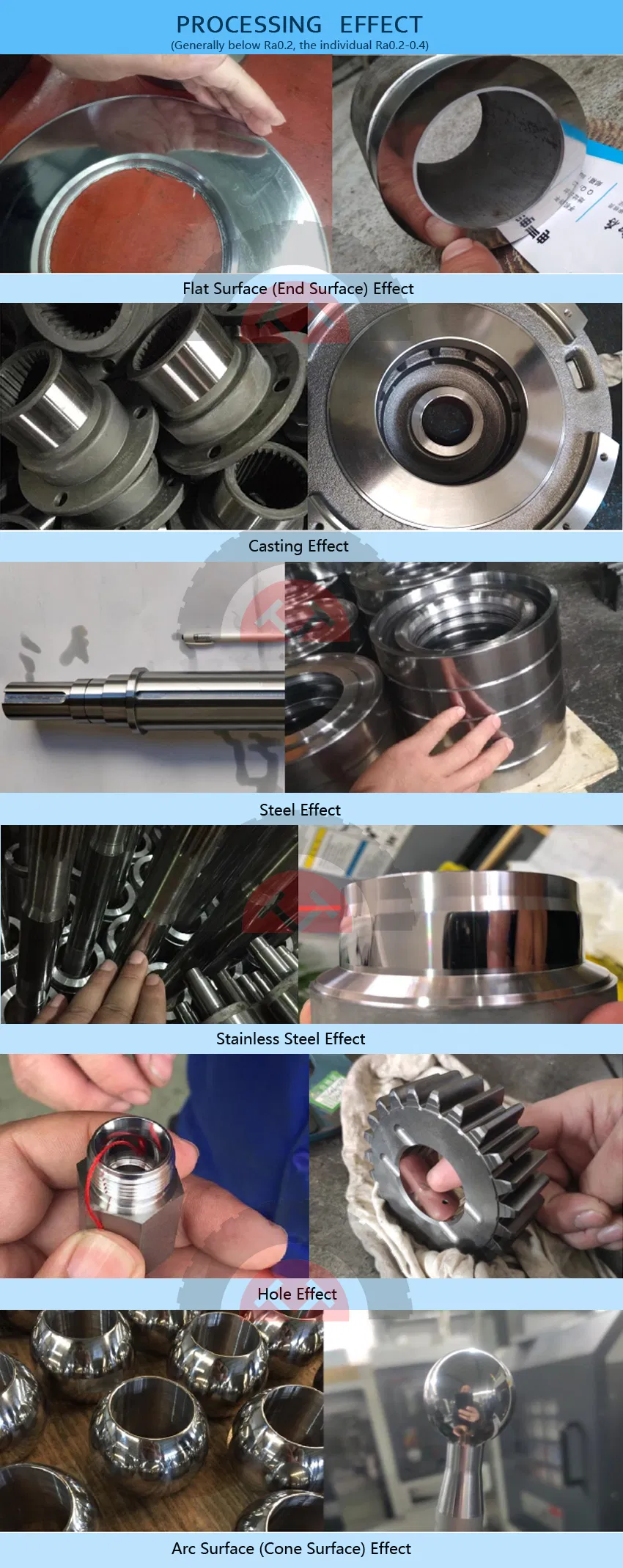
| 2 | Processing effect | Ra0.05-0.4 (It depends on different reasons. Such as material, lathe, rolling speed, preparation, etc.) | - |
| 3 | Processing range | The minimum recommended outer cylinder diameter is 5mm and above. The minimum recommended inner hole diameter is 150mm above. End faces, flat surfaces, curved surfaces, etc. can be processed. | - |
| 4 | Feed quantity | 0.1-0.5mm (single side 0.1-0.5mm) | According to different materials about the hardness. Choosing adapt feed quantity. |
| 5 | Roll interference | 0.005-0.01mm | - |
| 6 | Rolling speed | Lathe: 0.1-0.3mm/r CNC-lathe: F100-F400 |
- |
| 7 | Linear Velocity | 80-200m/min | It can be adjusted according to the stability of the lathe. |
| 8 | Back chipping margin | Back chipping margin 1.0mm for Steps below 10.2mm. Back chipping margin 3.5mm for Steps above 10.2mm. | - |
| 9 | Processing requirements | Surface roughness < 3.2μm, Clean surface | - |
| 10 | Processing hardness requirements | HRC < 40. Best effective | - |
| 11 | Other requirements | 1. It is recommended to use emulsion to cool the processing, and small workpiece can be cooled with lubricating oil. 2. After a long period of use, the gap adjustment hole must be checked. The gap adjustment is worked by the gap is tightened and then relaxed slightly. Keep the smooth wheel rotation. |
- |
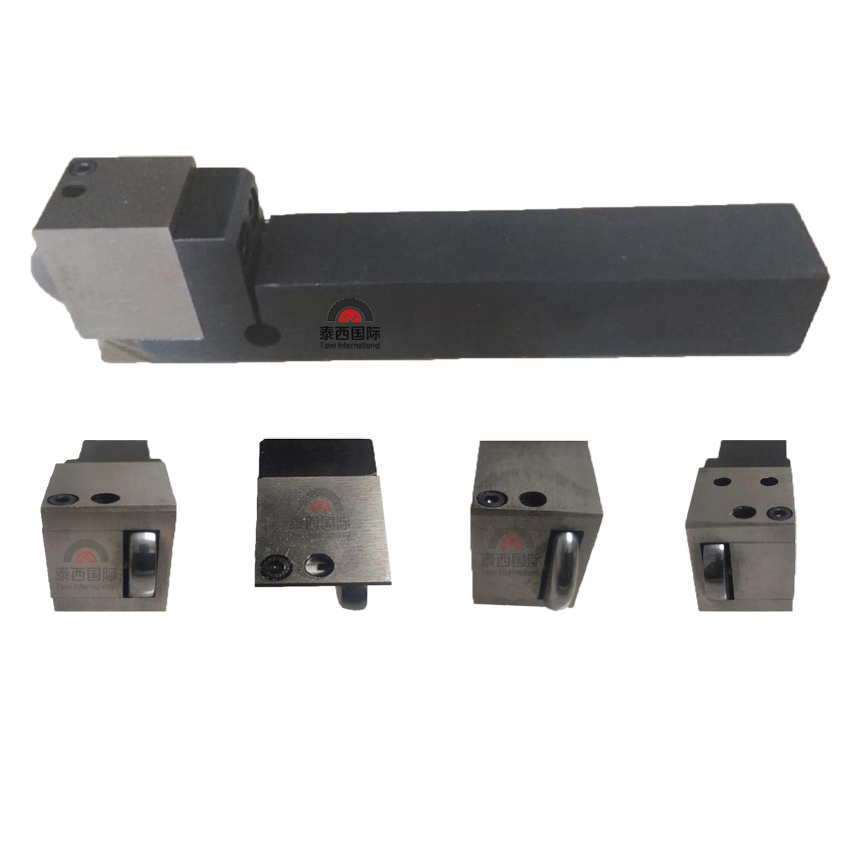
| NO. | PROGRAM | PARAMETER | DESCRIPTION |
|---|---|---|---|
| 1 | Material | Using southern diamond and domestic high-quality materials. | Imported core parts |
| 2 | Product Life | Design life for 45# steel products can be continuously processed for more than 1500 hours | There are still other effects that reduce the life of the product in different situations. |
| 3 | Processing Effect | Ra0.05-0.4 (It depends on different reasons. Such as material, lathe, rolling speed, preparation, etc.) | - |
| 4 | Processing Range | The minimum recommended outer cylinder diameter is 5mm and above. The minimum recommended inner hole diameter is 150mm above. End faces, flat surfaces, taper surfaces, etc. can be processed. | - |
| 5 | Feed Quantity | 0.03-0.05mm (single side 0.02-0.05mm) | According to different materials about the hardness. Choosing adapt feed quantity. |
| 6 | Roll Interference | 0.005-0.01mm | - |
| 7 | Rolling Speed | Lathe: 0.05-0.15mm/r CNC-lathe: F50-F150 |
- |
| 8 | Linear Velocity | 80-150m/min | It can be adjusted according to the stability of the lathe. |
| 9 | Back Chipping Margin | Back chipping margin 1.0mm | - |
| 10 | Processing Requirements | Surface roughness < 1.6μm, Clean surface | - |
| 11 | Processing Hardness Requirements | 18 < HRC < 68 | - |
| 12 | Other Requirements | It is recommended to use emulsion to cool the processing, and small workpiece can be cooled with lubricating oil. The maximum feed quantity of single side should not be higher than 0.06mm. | |