Construction Power Tools Manufacturers & Factory in Namibia

Empowering Industrialization, Mining, & Infrastructure Projects with Heavy-Duty OEM/ODM Power Tool Operations

Send Inquiry Now

1. Namibia's Industrial Architecture & Sourcing Demands

Namibia is experiencing a major industrial transition. Backed by extensive mining operations in the Erongo region, commercial expansion in Windhoek, and logistical growth surrounding the Port of Walvis Bay, the country's requirement for heavy-duty, industrial-grade construction power tools has grown exponentially. For procurement managers and local distributors, finding tools that can withstand Namibia's harsh climatic conditions is a operational priority.

The Namibian environment presents unique challenges for standard electrical equipment. The Kalahari and Namib deserts introduce abrasive dust particles, while the coastal regions of Swakopmund and Walvis Bay present highly saline and humid air that accelerates corrosion. Consequently, construction projects require power tools built with brushless motors, superior sealing (high Ingress Protection ratings), and thermal management systems to handle continuous use in temperatures exceeding 40°C.

Information Gain Insight: The Cost of Tool Downtime in Namibia

Remote project sites in regions like Kunene or Karas face significant logistical delays when equipment fails. Sourcing high-durability power tools with reliable battery management systems (BMS) directly addresses these operational hurdles, reducing downtime costs by up to 35% annually for local contracting firms.

15,000+
Sqm Factory Base
260+
Skilled Professionals
100%
SANS & CE Compliant
2013
Established Year

2. Technical Standards, Grid Alignment, and Safety Compliance

Operating electric power tools in Namibia requires adherence to specific electrical infrastructure grids and safety frameworks. Failure to comply with these rules can result in equipment damage, project delays, or liability issues for contractors.

Grid Compatibility & Electrical Safety

Namibia's public power grid runs at a standard voltage of 220V/240V AC with a frequency of 50Hz. Direct-wired and charging stations for cordless tools must be rated to handle these specifications. The most common plug configurations used across Namibian commercial sites are:

  • Type M (SANS 164-1): A large 3-pin plug rated at 15 Amps, widely used for high-draw industrial machinery such as rotary hammers, concrete finishing machines, and bridge saws.
  • Type D (SANS 164-3): A 3-pin round plug rated at 5 Amps, commonly utilized for battery chargers and lighter power tools.

Regulatory Compliance & International Standards

The Namibian Standards Institution (NSI) regulates product imports to ensure safety. In practice, Namibia heavily references the South African Bureau of Standards (SABS) and South African National Standards (SANS) protocols for electrical machinery. Our factory aligns production lines to output tools that meet these standards, as well as CE, RoHS, and UL safety marks, assuring seamless custom clearance at the Port of Walvis Bay.

3. Sourcing Direct: Guangzhou Bleep Forge Co., Ltd.

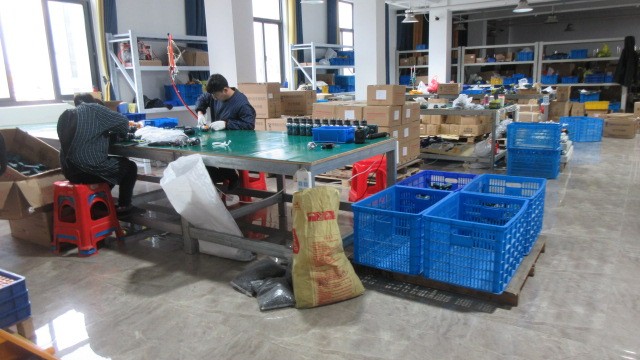
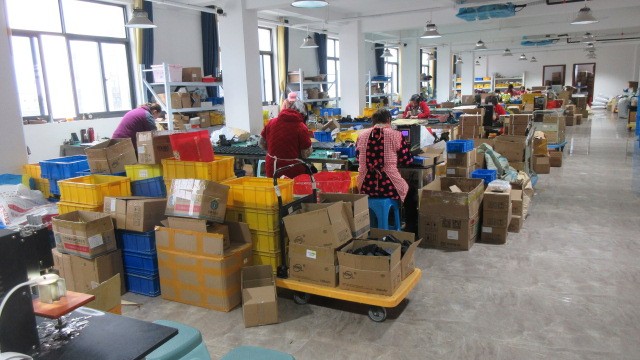
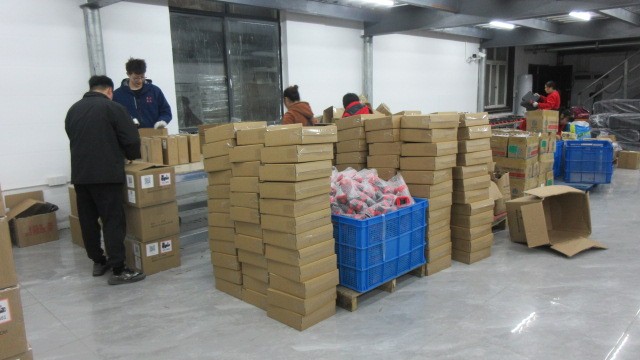
For B2B buyers looking to establish direct factory sourcing lines, Guangzhou Bleep Forge Co., Ltd. offers vertically integrated development and manufacturing services. Established in 2013 in Guangzhou, China, our modern factory spans over 15,000 square meters and houses more than 260 skilled professionals spanning R&D, engineering, QC, and logistics.

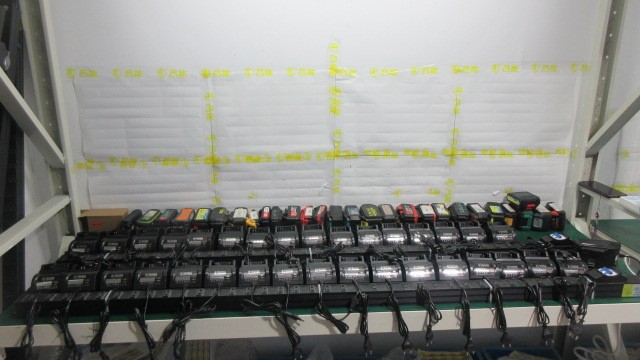
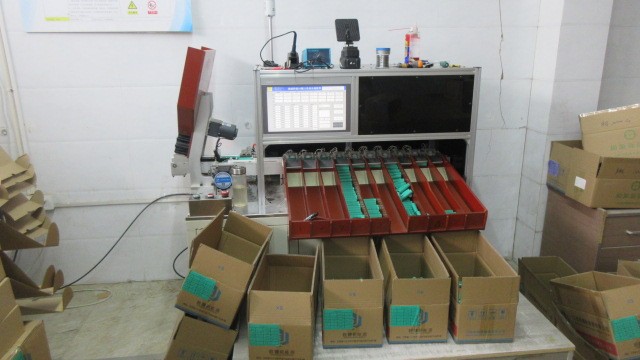
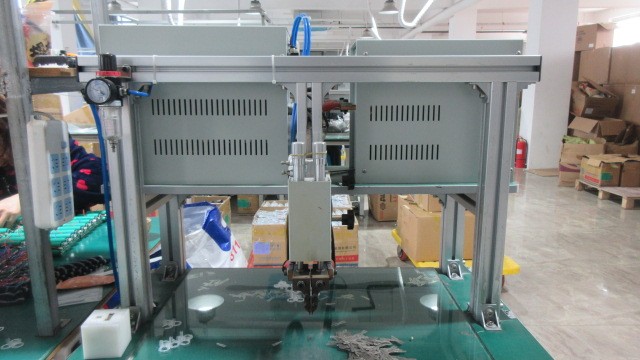
Our production facilities utilize automated assembly lines, precision CNC machining centers, and comprehensive battery testing systems to produce durable, high-efficiency tools. Our primary product groups cover civil engineering, construction, masonry work, and warehouse operations. By sourcing direct, Namibian distributors and procurement managers can avoid mid-tier distributor markups, customize tools for local projects, and secure direct warranty support.

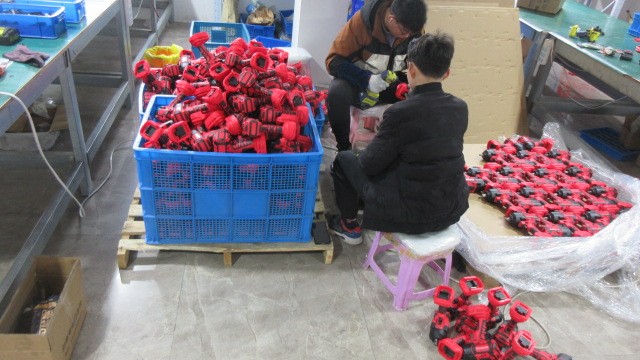
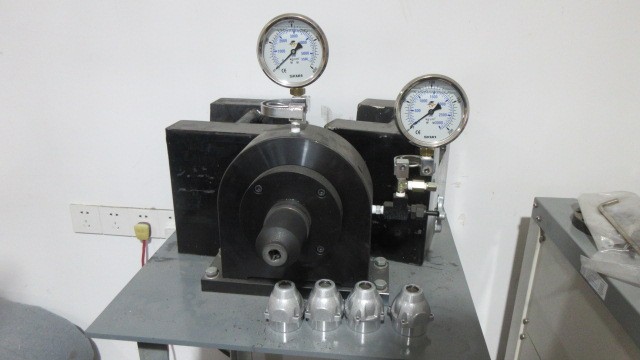
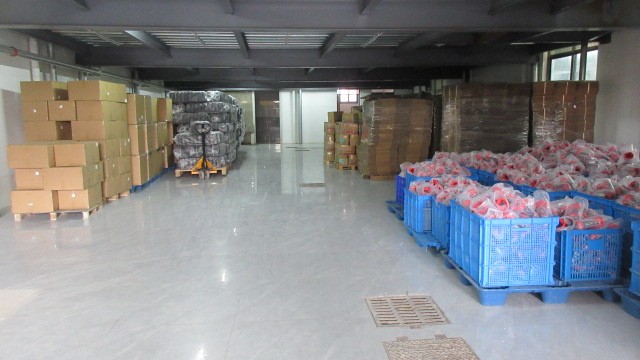
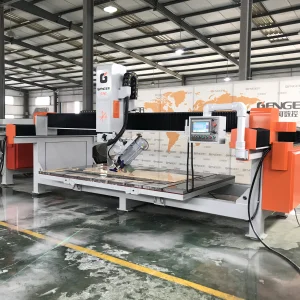
Guangzhou Bleep Forge Manufacturing Facility & Production Lines

4. Key Application Scenarios for Power Tools in Namibia

Our industrial catalog is selected to support specific infrastructure, resource extraction, and commercial projects across Namibia:

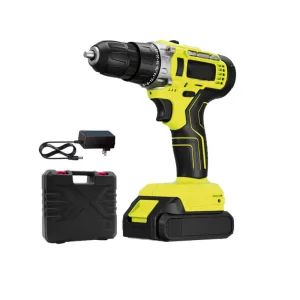
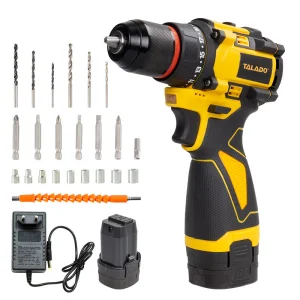
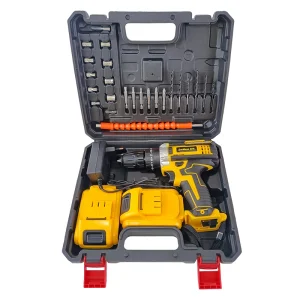
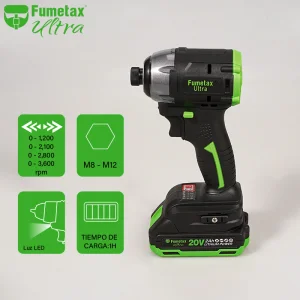
  • Off-Grid Utility & Solar Farms (Karas & Hardap Regions): Remote solar installation projects rely on cordless tools. Brushless 21V impact drivers and drills are essential for mounting galvanized structural frames, running wiring systems, and operating away from generators.
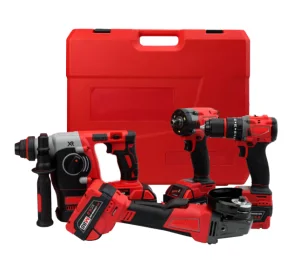
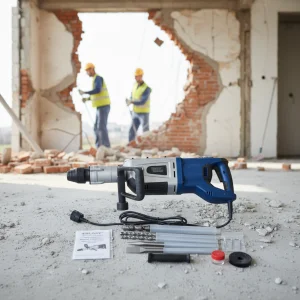
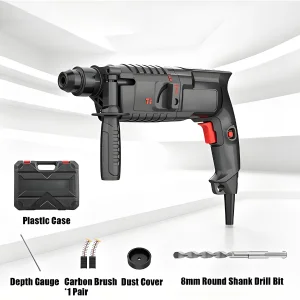
  • Mining Maintenance Support (Erongo Region): Copper, uranium, and diamond mines require heavy-duty impact wrenches, grinders, and SDS rotary hammers to perform routine plant maintenance and structural repairs in dusty environments.
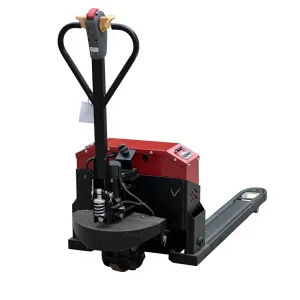
  • Coastal Infrastructure & Port Logistics (Walvis Bay): Salt mist and humidity corrode tools quickly. Our high-grade impact drills and material handling tools, like electric pallet jacks, feature specialized coatings to resist galvanic corrosion.
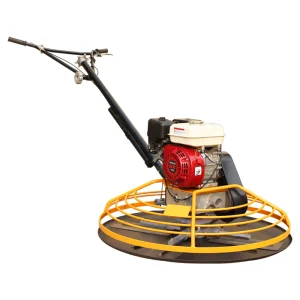
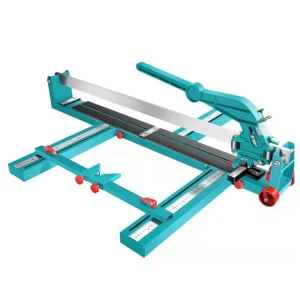
  • Urban Development & High-Rise Structures (Windhoek): Structural concrete finishing machines, high-capacity tile cutters, and heavy-duty portable drills support the growing demand for commercial real estate and residential complexes in the capital.

5. Shipping and Customs Logistics from China to Namibia

Managing the supply chain between Guangzhou, China, and Namibia requires an understanding of regional transit lanes and customs clearance rules:

Ocean Freight via the Port of Walvis Bay

The primary shipping route is from Guangzhou/Shenzhen port to the Port of Walvis Bay, managed by the Namibian Ports Authority (Namport). This route handles FCL (Full Container Load) and LCL (Less than Container Load) shipping. Transit times range from 30 to 45 days, depending on transshipment stops in South Africa or Singapore.

Import Documentation & Tariffs

To ensure smooth clearance, importers must provide:

  • Bill of Lading (BoL)
  • Commercial Invoice (detailing unit values, weights, HS Codes)
  • Packing List
  • SAD 500 (South African Customs Union Common Customs Document)
  • Certificates of Conformity (COC) verifying SANS or IEC compliance

6. Global Procurement Standards & Quality Control

Guangzhou Bleep Forge Co., Ltd. operates under strict Quality Management Systems. Our processes ensure that all outgoing products meet the requirements of modern B2B buyers:

  • Incoming Quality Control (IQC): Raw materials, including copper windings, battery cells, and composite plastics, undergo testing before assembly.
  • In-Process Quality Control (IPQC): We monitor assembly alignment, torque calibration, and electrical connections at multiple stages of production.
  • 100% End-of-Line Testing: Every power tool is tested for insulation resistance, RPM accuracy, motor heating limits, and clutch mechanics.
  • Reliability Testing: We run drop tests, salt spray corrosion tests, and continuous battery charge-discharge cycle tests to simulate worksite conditions.

Frequently Asked Questions (FAQ)

Providing direct answers to the technical, legal, and operational questions of Namibian B2B buyers.

Q1: Do your power tools comply with Namibian electrical grid standards?
Yes. All corded tools and charging docks are built to run on 220V/240V AC, 50Hz. We can supply chargers fitted with South African SANS 164-1 (Type M) or SANS 164-3 (Type D) plugs to match Namibian construction site outlets.
Q2: What is the minimum order quantity (MOQ) for custom OEM/ODM tool runs?
For standard tools, the MOQ starts at 100 to 500 units. For full OEM customization (including custom housing molds, customized color schemes, and branded retail packaging), the MOQ generally ranges between 1,000 and 2,000 units.
Q3: How do your batteries perform under high temperatures, like in the Namib Desert?
Our lithium-ion battery packs feature an integrated Smart Battery Management System (BMS). The BMS monitors temperature and will shut down the tool if it exceeds safe operational limits (typically 65°C internal cell temperature) to prevent degradation or thermal runaway in hot environments.
Q4: What is the average lead time for shipping from Guangzhou to Walvis Bay?
Production takes 25 to 35 days from deposit payment. Ocean shipping from Guangzhou or Shenzhen to the Port of Walvis Bay takes another 30 to 45 days. You should plan for a total lead time of 60 to 80 days from order confirmation to local delivery.
Q5: Do you supply replacement parts (carbon brushes, switches, gearboxes)?
Yes. We typically include a set percentage of wearing parts (such as switches, carbon brushes for brushed models, chucks, and power cords) with every bulk order free of charge. Additional replacement parts can be ordered and shipped via air freight for fast turnaround.
Q6: How do brushless motors benefit construction operations in Namibia?
Brushless motors have no carbon brushes, which removes friction, reduces heat generation, and minimizes maintenance. Additionally, they are sealed to protect the internal electronic components from the fine silica sand and dust common to Namibian jobsites.
Q7: Can you provide customized packaging and instruction manuals in English?
Yes. All user manuals, safety warnings, and retail packaging can be designed in English, ensuring full alignment with the official language of Namibia and SANS packaging requirements.
Q8: What warranty coverage do you offer on industrial-grade power tools?
We provide a 1-year to 3-year warranty on our industrial-grade tools, covering manufacturing defects in the motor, gearbox, and battery components. We work with our B2B partners to resolve warranty claims via replacement components or credits.

Comprehensive Power Tools & Machinery Catalog

Complete product inventory including material handling equipment, masonry saws, and specialized construction machinery.

Ready to Optimize Your Power Tool Supply Chain?

Get in touch with Bleep Forge's engineering team to discuss customizations, pricing, and Walvis Bay shipping terms.

Send Inquiry Now